
Whip
A whip is a broad category of impact implement with one or more flexible tails, ranging from soft, thuddy floggers to precise, high-skill single-tail whips. Whips are used in consensual impact play to create sensation across a wide spectrum, and each type carries different skill requirements and safety considerations.
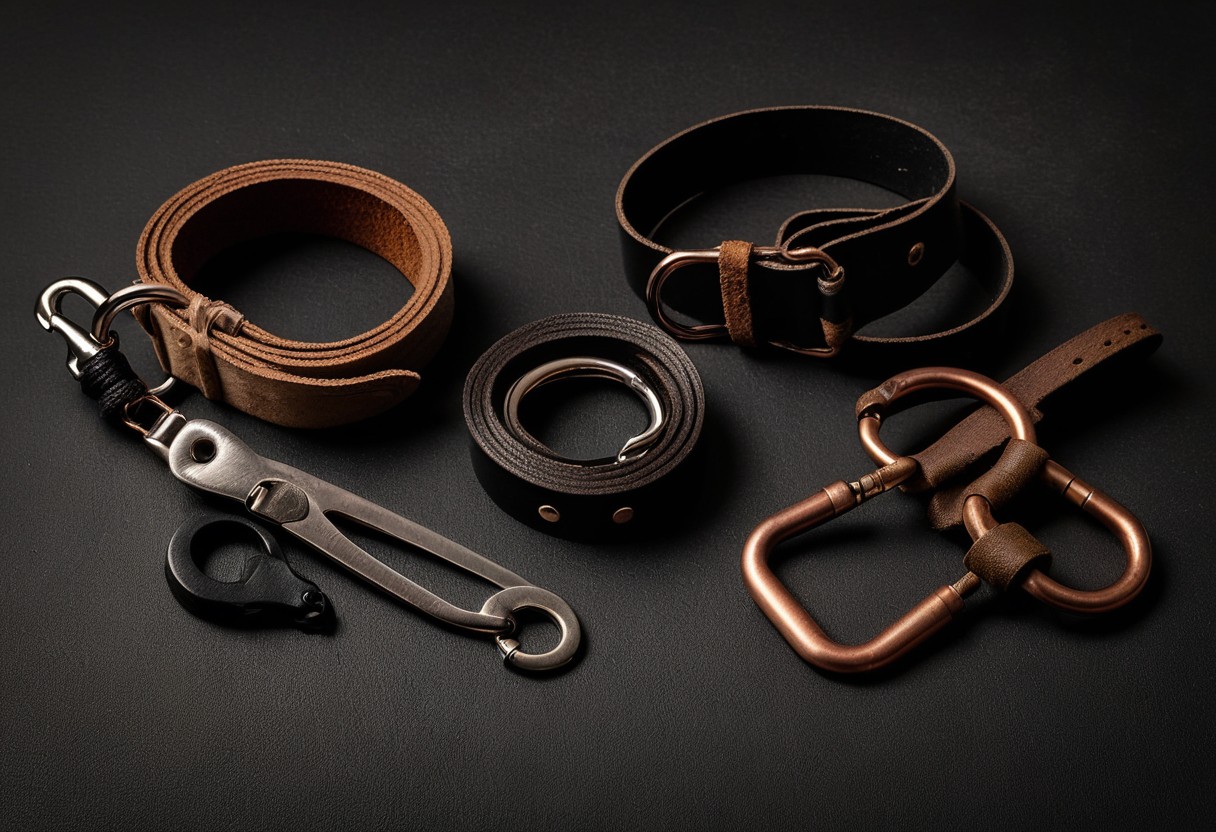
What it is
"Whip" is an umbrella term for flexible-tailed impact implements used in consensual BDSM play. The word covers a huge range of tools, from multi-tailed floggers that spread force across a broad area to single-tail whips that deliver sharp, concentrated impact from a distance.
Different whips produce very different sensations. Broad, soft implements tend toward a warm, spread-out 'thud,' while thin, fast tails create a stinging 'bite.' Which one suits a given scene depends on the desired sensation, the bottom's experience, the top's skill, and the body area involved.
Common forms
Whips vary by number of tails, material, length, and weight. Beginners typically start with more forgiving, easier-to-aim implements before considering high-precision tools that demand extensive practice.
- Flogger — multiple soft tails, spreads force, often beginner-friendly and versatile in sensation.
- Single-tail whip — one long tapered tail; delivers precise, intense impact and requires significant skill to aim safely.
- Quirt, cat, and dragon-tail variants — shorter or specialized designs with distinct sensation profiles.
- Materials range from suede, leather, and rubber to synthetics, each affecting weight, sting, and cleaning needs.
Consent & safety
All whip play requires clear negotiation, ongoing consent, and a shared safeword or signal system before anything begins. Impact should generally target well-padded areas (such as the buttocks and upper thighs) and avoid the spine, kidneys, joints, neck, and other vulnerable zones.
Single-tail whipping is an advanced, risk-aware practice: an inaccurate strike can wrap around the body or break skin, and it is best learned hands-on from experienced practitioners rather than from written instructions. Aftercare and check-ins help address both physical marks and emotional responses like subdrop or topdrop.
- Negotiate intensity, target areas, marks, and limits in advance.
- Agree on a safeword or the traffic-light system and honor it immediately.
- Warm up gradually; avoid high-risk zones (spine, kidneys, neck, face, joints).
- Learn precision tools in person; skin-breaking play adds blood-borne and infection risk.
- Clean and sanitize implements according to their material, especially if skin is broken.
Exploring it responsibly
Newcomers often begin with floggers, which are more forgiving and easier to aim, and progress slowly as trust and communication develop. Watching skilled demonstrations, attending workshops, and practicing aim on inanimate targets are common ways people build competence before playing on a partner.
Because sensation, marking, and emotional intensity vary widely, honest communication before, during, and after a scene matters as much as physical technique. A grounded top pays attention to the bottom's feedback and stops or adjusts as needed, treating skill-building as an ongoing process rather than a destination.
Frequently asked questions
Is a flogger the same as a whip?
A flogger is one type of whip — a multi-tailed implement. 'Whip' is the broader category that also includes single-tail whips and other flexible-tailed tools.
Are single-tail whips beginner-friendly?
No. Single-tails require considerable practice to aim accurately and can wrap or break skin if mishandled. They are best learned hands-on from experienced practitioners.
Where on the body is whip play safest?
Well-padded areas like the buttocks and upper thighs are generally lowest-risk. Avoid the spine, kidneys, neck, face, and joints, and always warm up gradually.
Do whips always leave marks?
Not necessarily — marking depends on the implement, intensity, and the individual body. Negotiate whether marks are acceptable before playing, since some people cannot or prefer not to have visible marks.
Make an image of Whip
Describe the scene, we turn it into a photoreal image. Yours to keep, post, or share.
Curious how Whip fits you?
Take the free Kink Test — scored across 35 archetypes with an inclusive, consent-first lens. No login, no email. Just answer honestly and see where you land.
18+ only. Private by default.
Explore Whip with people who get it.
SafeHaven is a private, consent-first kink & BDSM social network. Founding members get free lifetime membership — before paid tiers ever land. Come as you are, stay forever.
100 founding seats — free lifetime membership
18+ only. No passwords, ever.