
Impact Play
Impact play is the broad category of consensually striking a partner's body — with hands or implements like paddles, floggers, canes, and whips — for erotic, emotional, or sensory effect. It ranges from light, playful swats to intense, endorphin-driven sessions, and it matters because it can build trust, release, and connection when practiced with negotiation, anatomy awareness, and clear consent.
What it is
Impact play describes any consensual activity where one person strikes another's body for sensation, mood, or connection. The 'impact' can come from a bare hand or from an implement, and the intensity spans a wide spectrum — from a light, teasing tap to firm, sustained sensation that some people find meditative or cathartic.
People pursue impact play for many reasons: the physical sensation and the endorphin release it can produce, the psychological charge of surrendering or taking control, the intimacy of focused attention, or simply because it feels good. It is a foundational practice within sensation and pain play, and it overlaps heavily with dominance and submission dynamics, though it does not require them.
Common forms
Impact play is usually sorted by the sensation an implement produces. 'Thuddy' tools deliver a deeper, more diffuse feeling; 'stingy' tools create a sharper, more surface-level sensation. Learning the difference helps partners communicate what they enjoy.
- Spanking — striking with an open hand, the most accessible entry point.
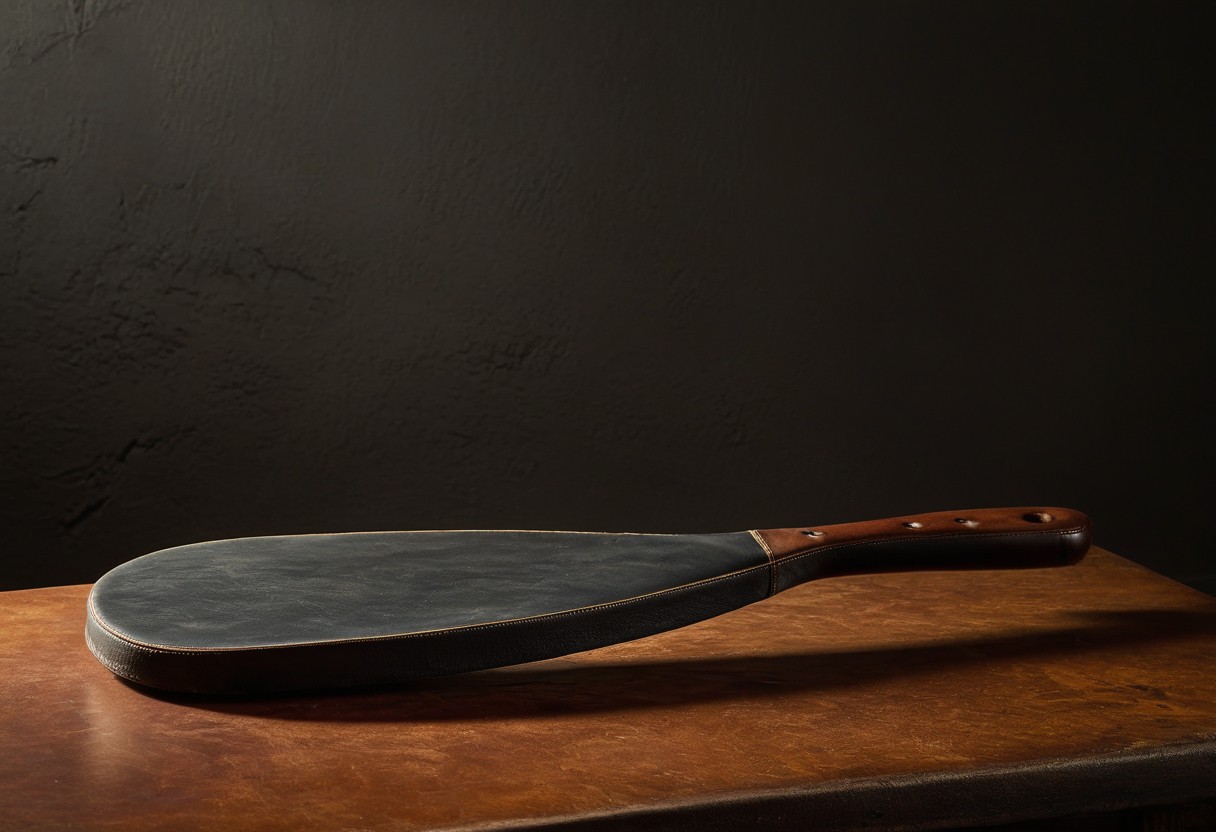
- Paddling — firm, broad impact from a paddle, often thuddy.
- Flogging — the falls of a flogger delivering rhythmic, tunable sensation.
- Caning and single-tail whips — precise, intense, and considered more advanced.
- Related sensations — face slapping, which carries higher risk and needs care.
Consent & safety
Impact should land only on well-padded, muscular areas — such as the buttocks and upper thighs — while high-risk zones are avoided. These include the kidneys and lower back, the spine, the tailbone, the neck and throat, joints, and the head. Striking these can cause serious, lasting injury.
Negotiate before you begin: discuss desired intensity, tools, limits, health conditions (bruising disorders, medications that thin blood, past injuries), and a safeword or the traffic-light system. Check in during play, watch skin and body responses, and stop if anything feels wrong. Intense sessions can trigger emotional shifts, so plan aftercare for both the bottom and the top.
- Stay on safe target zones; avoid kidneys, spine, neck, joints, and head.
- Agree on a safeword or traffic-light signals and honor them instantly.
- Start light and build gradually; warm up the skin before harder strikes.
- Keep tools clean and hydrate; monitor for broken skin or excessive bruising.
- Advanced tools (cane, single-tail) are best learned hands-on from experienced practitioners.
Exploring it responsibly
Beginners do well to start with the hand or a broad paddle on safe target areas, keeping intensity low and communication high. Watching skill demonstrations at a class, munch, or play party — and asking questions of experienced people — is far safer than improvising with heavier implements.
Treat impact play as a learnable craft. Understanding basic anatomy, choosing body-safe tools, negotiating clearly, and building aftercare into every scene all reduce risk and deepen trust. Progress at a pace both partners genuinely enjoy, and revisit consent as your play evolves.
Frequently asked questions
Does impact play have to hurt?
No. Intensity is entirely negotiable — many people enjoy light, sensual impact for the rhythm and connection rather than pain, while others seek stronger sensation. What matters is that both partners want the level being explored.
What areas of the body are safest to strike?
Well-padded, muscular areas like the buttocks and the upper thighs are generally safest. Avoid the kidneys and lower back, spine, tailbone, neck, throat, joints, and head, as strikes there can cause serious injury.
How do I reduce bruising from impact play?
Warming up the skin gradually, staying hydrated, and avoiding blood-thinning medications when possible can help. Bruising varies by individual, so discuss health conditions during negotiation and monitor the skin throughout.
What should beginners start with?
The bare hand or a broad paddle on safe target zones, at low intensity with frequent check-ins. Save canes and single-tail whips for after you've learned technique from experienced practitioners or in-person classes.
Make an image of Impact Play
Describe the scene, we turn it into a photoreal image. Yours to keep, post, or share.
Curious how Impact Play fits you?
Take the free Kink Test — scored across 35 archetypes with an inclusive, consent-first lens. No login, no email. Just answer honestly and see where you land.
18+ only. Private by default.
Explore Impact Play with people who get it.
SafeHaven is a private, consent-first kink & BDSM social network. Founding members get free lifetime membership — before paid tiers ever land. Come as you are, stay forever.
100 founding seats — free lifetime membership
18+ only. No passwords, ever.