Whipping
Whipping is a broad category of impact play in which one partner strikes another with a whip — a term that spans soft, thuddy floggers through to precise, high-skill single-tail whips. Because implements and techniques vary enormously in intensity and risk, whipping ranges from gentle sensation play to advanced practice requiring dedicated training, careful negotiation, and attentive aftercare.
What it is
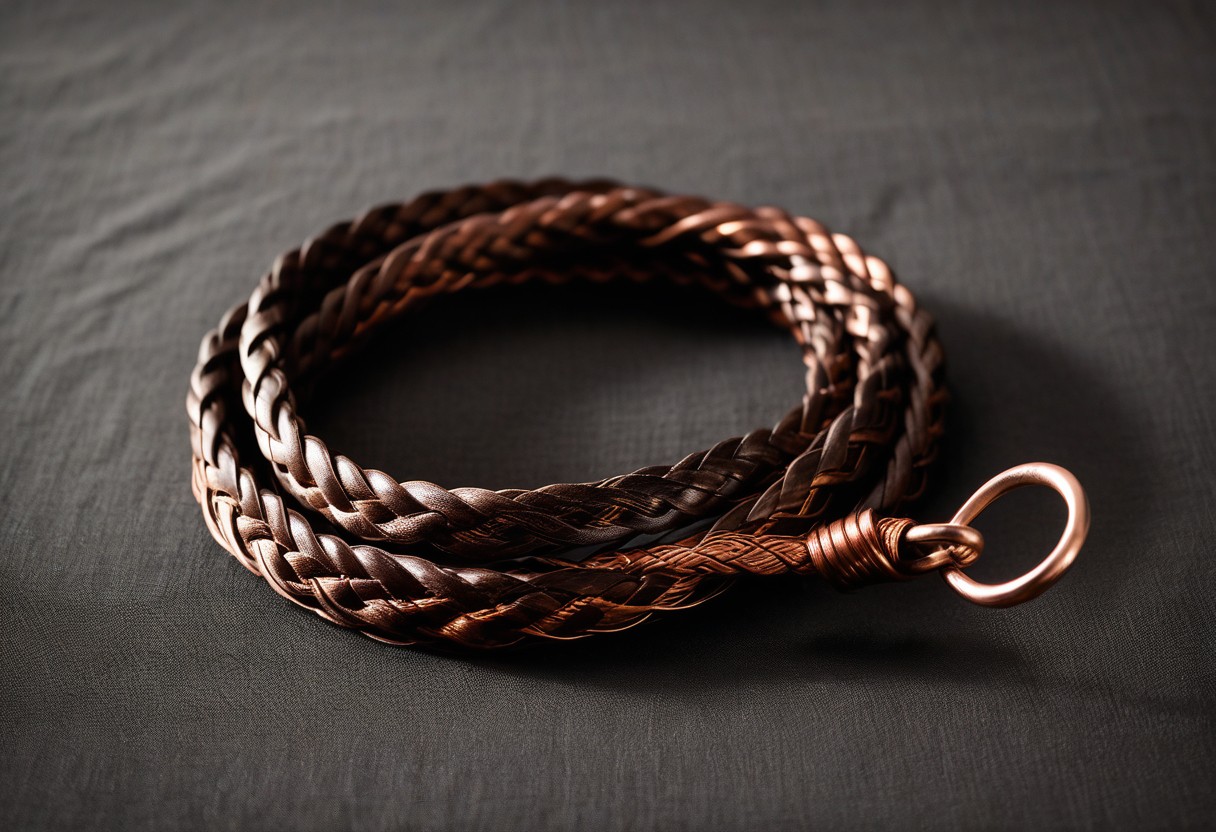
Whipping refers to striking a consenting partner's body with a whip. In practice, the word 'whip' covers a wide family of tools, so 'whipping' is less a single activity than a spectrum. At one end sit floggers with many soft falls that spread sensation broadly; at the other are single-tail whips, which concentrate force into a small, fast-moving tip and demand significant skill to place safely.
The appeal varies from person to person: the rhythmic build of sensation, the endorphin release many describe during intense impact, the trust and surrender involved, the sound and theatre of a whip, or the focus and precision it asks of the person wielding it. Whipping can be sensual and warming or sharp and challenging, depending entirely on tool, technique, and negotiation.
Common forms
Different implements produce very different experiences, and each carries its own learning curve and risk profile:
- Floggers — multiple soft tails that deliver 'thuddy' or 'stingy' sensation over a wide area; often the most beginner-friendly.
- Single-tail whips (bullwhips, snake whips, signal whips) — a single tapering length that concentrates force; capable of breaking skin and requiring advanced accuracy and control.
- Quirts and short whips — compact tools that fall between floggers and single-tails in reach and intensity.
- 'Body-safe' target zones — the fleshy areas of the buttocks, thighs, and upper back are generally lower-risk; bony areas, joints, kidneys, spine, neck, and face are avoided.
Consent & safety
All whipping requires clear, informed, ongoing consent and honest negotiation before play — discussing experience levels, desired intensity, limits, safewords or a traffic-light system, and health factors like medications, skin conditions, or blood-thinners. Single-tail work in particular is an advanced, risk-aware practice: mistakes can cause wrapping injuries, deep welts, broken skin, or eye damage. It is learned hands-on from experienced practitioners and reputable in-person resources, not from written instructions.
Anyone doing whipping should understand aftercare and the possibility of subdrop or topdrop in the hours or days afterward.
- Negotiate first; establish and honour safewords and check-ins throughout.
- Learn anatomy — target fleshy areas and protect kidneys, spine, neck, joints, and face.
- If skin may break, follow blood-play and hygiene precautions and avoid sharing implements.
- Warm up gradually and monitor the bottom's physical and emotional state continuously.
- Build skill slowly; single-tail accuracy is developed on targets before ever aiming near a person.
Exploring it responsibly
Newcomers often start with floggers, which are more forgiving, before considering anything faster or more concentrated. Watching skilled demonstrations at workshops, kink conventions, or with a mentor is invaluable, especially for single-tail work where placement and follow-through matter enormously.
Choose quality, body-safe implements, care for your skin and the tools, and treat every session as a collaboration. Confidence should grow from genuine competence — earned through practice and feedback — rather than from copying what looks dramatic. Whipping rewards patience: a controlled, attentive scene is both safer and more satisfying than a reckless one.
Frequently asked questions
Is whipping the same as flogging?
Flogging is one form of whipping. 'Whipping' is the broader category covering floggers, quirts, and single-tail whips, each with different sensations and risk levels.
Is single-tail whipping safe for beginners?
It is an advanced practice with real risk of wrapping injuries, broken skin, and eye damage. Most people begin with floggers and learn single-tail technique hands-on from experienced practitioners over time.
Does whipping have to be painful?
No. Depending on the implement and technique, whipping can range from gentle, warming sensation to intense impact. Intensity is negotiated in advance and adjusted throughout with check-ins.
What areas of the body should be avoided?
Bony areas, joints, the kidneys, spine, neck, and face are generally off-limits. The fleshy parts of the buttocks, thighs, and upper back are considered lower-risk target zones.
Make an image of Whipping
Describe the scene, we turn it into a photoreal image. Yours to keep, post, or share.
Curious how Whipping fits you?
Take the free Kink Test — scored across 35 archetypes with an inclusive, consent-first lens. No login, no email. Just answer honestly and see where you land.
18+ only. Private by default.
Explore Whipping with people who get it.
SafeHaven is a private, consent-first kink & BDSM social network. Founding members get free lifetime membership — before paid tiers ever land. Come as you are, stay forever.
100 founding seats — free lifetime membership
18+ only. No passwords, ever.