
Karada
A karada is a decorative full-torso rope harness, most often built around a diamond-shaped pattern down the front of the body. It's prized more for its aesthetics and the gentle, wrapping sensation it creates than for functional restraint, making it a popular entry point into rope bondage.
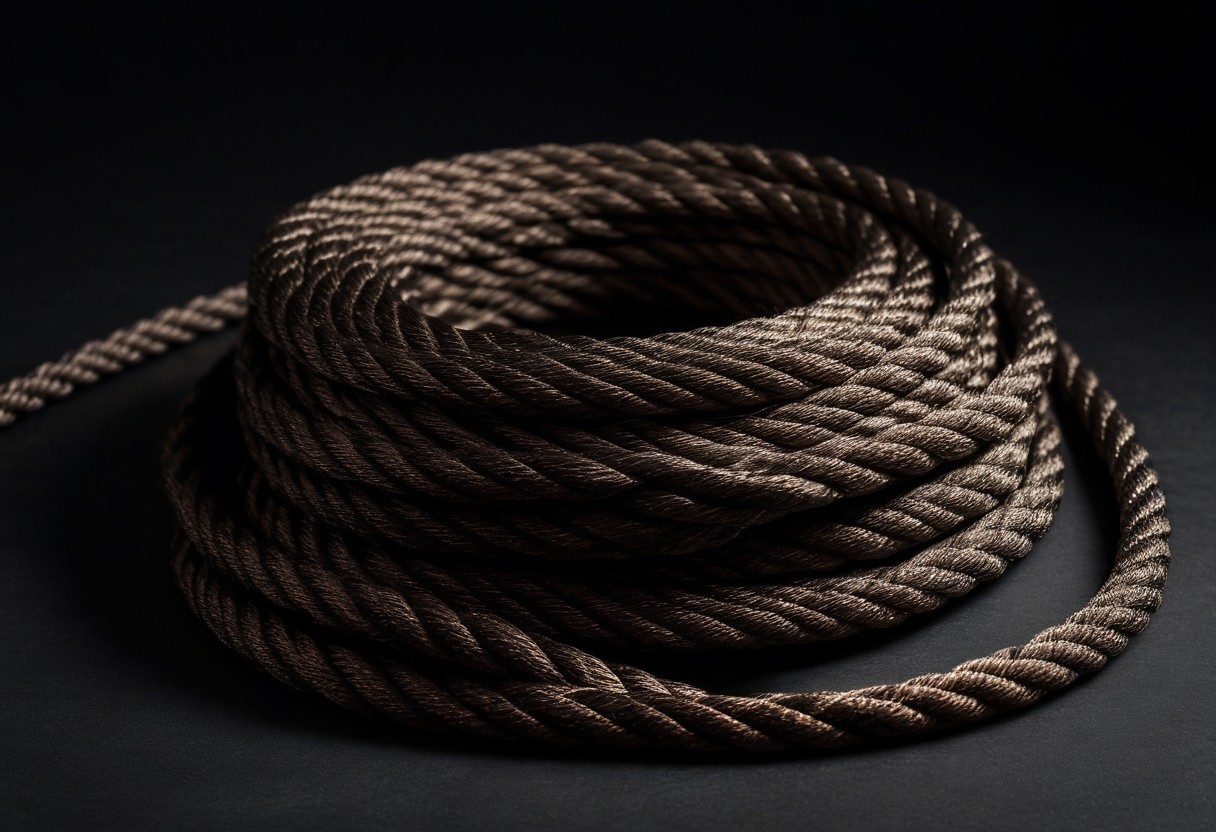
What it is
Karada (Japanese for 'body') refers to a rope harness that decorates the torso, classically forming a series of diamonds running from the chest to the hips. The pattern is created by knotting rope at intervals and separating the strands to frame the body. Sometimes called a 'rope dress,' it can be worn under or over clothing.
Unlike ties designed to immobilize, a karada typically leaves the wearer mobile. Its purpose is largely visual and sensory — the rope hugs and outlines the body, and shifting or moving creates subtle pressure and friction. It is often used as a standalone decorative piece or as a foundation to which other ties or attachments can be added.
Common forms
While the diamond-front karada is the best-known version, the concept covers a range of full-body harness styles that emphasize pattern and coverage over restraint.
- Classic diamond karada — symmetrical diamonds down the torso, the most recognizable form.
- Simplified or 'quick' harnesses — fewer knots, faster to tie, often used for beginners or photography.
- Decorative variations incorporating chest, hip, or shoulder framing for a particular visual effect.
- As a base layer — some practitioners use a karada as a starting structure before adding functional or suspension elements (which raises the risk level considerably).
Consent & safety
Rope on the body always carries physical risk. A karada rests against the torso, so nerve compression, circulation restriction, and pressure on delicate areas are real concerns — especially if rope crosses joints, the sides of the neck, or major nerve pathways. Any tie should be negotiated in advance, with a clear safeword or signal and an agreed way to communicate discomfort.
Because a karada can be worn for extended periods, ongoing check-ins matter. Numbness, tingling, coldness, or loss of function are signals to loosen or remove rope promptly. Keep safety shears within reach so rope can be cut off quickly in an emergency.
- Negotiate limits, health conditions, and duration before tying.
- Avoid placing rope across the front/sides of the throat.
- Monitor for numbness, tingling, or color changes and adjust immediately.
- Keep EMT/safety shears accessible at all times.
- Never leave a tied person unattended; plan aftercare for both partners.
Exploring it responsibly
A decorative karada is a common first project in rope bondage because it's forgiving and emphasizes pattern over load-bearing tension. Even so, quality learning comes from hands-on instruction — in-person classes, rope jams, reputable tutorials, and experienced mentors — rather than guessing. Learning where nerves and pressure points sit is essential before tying on anyone.
Treat any move toward suspension, tighter binding, or load-bearing use as a significant step up in risk that requires dedicated, hands-on training. Start slow, communicate often, and build skill and trust gradually with partners who share your commitment to safety.
Frequently asked questions
Is a karada the same as shibari?
A karada is one specific decorative harness pattern, while shibari and kinbaku refer to broader traditions and styles of Japanese rope bondage. A karada is often taught within those traditions but is a single tie, not the whole practice.
Can you suspend someone from a karada?
A basic decorative karada is not designed to bear weight and should not be used for suspension. Load-bearing and suspension ties are advanced, high-risk practices requiring specialized training and hardware.
Is a karada good for beginners?
Yes — its decorative, non-immobilizing nature makes it a popular first tie. Beginners should still learn safe rope placement, avoid the throat, and keep safety shears handy.
How long can someone wear a karada?
It varies by person and how the rope sits, but circulation and nerve pressure should be checked regularly. Any numbness, tingling, or discoloration means it's time to loosen or remove the rope.
Make an image of Karada
Describe the scene, we turn it into a photoreal image. Yours to keep, post, or share.
Curious how Karada fits you?
Take the free Kink Test — scored across 35 archetypes with an inclusive, consent-first lens. No login, no email. Just answer honestly and see where you land.
18+ only. Private by default.
Explore Karada with people who get it.
SafeHaven is a private, consent-first kink & BDSM social network. Founding members get free lifetime membership — before paid tiers ever land. Come as you are, stay forever.
100 founding seats — free lifetime membership
18+ only. No passwords, ever.