
Rope Bottom
A rope bottom is the person being tied in a rope bondage scene. Far from passive, the rope bottom is an active, informed partner who monitors their own body, communicates sensation and limits, and shares responsibility for safety alongside the person tying them.
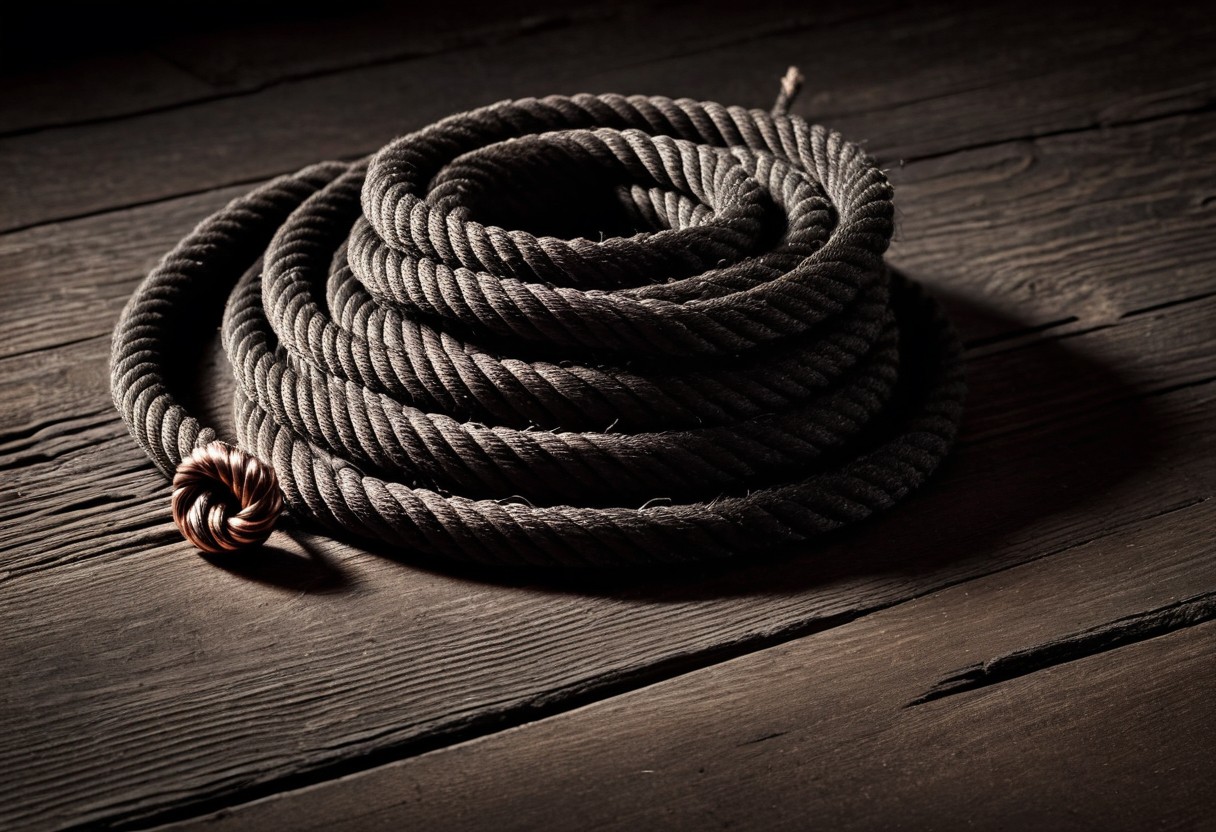
What it is
A rope bottom is the person who receives rope in a rope bondage or shibari/kinbaku scene. The role is defined by being tied — but the experience someone seeks from it varies widely, from meditative stillness and sensory surrender to challenging, athletic 'suffering' ties, aesthetic modeling, or intimate connection with a partner.
Being a rope bottom is not a passive role. A skilled rope bottom pays close attention to circulation, nerves, joints, and breath, and speaks up clearly. This active participation is why many communities describe rope as something partners do together, rather than something done to someone. The person tying is usually called a rope top or rigger.
Common forms
Rope bottoming spans a range of styles and intensities. Some are done entirely on the floor or against furniture; others involve partial or full suspension, which carries significantly higher risk. What appeals to one bottom may not suit another, so preferences are worth naming during negotiation.
- Floor work — decorative or restrictive ties done seated, lying, or kneeling, with the body supported by the ground.
- Harnesses and chest ties, such as a box tie, which is common but places rope near vulnerable nerves in the arms.
- Suspension bondage — being lifted off the ground, an advanced practice with real injury potential.
- Sensation- or emotion-focused rope, where the goal is connection, stillness, or headspace rather than a specific shape.
Consent & safety
Rope carries genuine physical risks: nerve compression or injury, restricted circulation, joint strain, falls, and positional problems that can develop over minutes. Nerve damage from a poorly placed or too-tight tie can happen quickly and sometimes without pain as a warning. Because of this, the rope bottom's ongoing feedback is a core safety system, not an interruption.
Negotiate before tying: physical history, injuries, range of motion, medications, limits, and how you'll communicate. Agree on a safeword or the traffic-light system, and remember that gags or headspace can make speech hard — plan non-verbal signals too. Suspension and predicament ties should be learned hands-on from experienced practitioners; this entry is not a how-to.
- Know and voice nerve warning signs: numbness, tingling, weakness, or loss of grip mean 'adjust or untie now.'
- Have safety shears within reach to cut rope quickly in an emergency.
- Never tie someone (or be tied) into a position you can't get out of fast.
- Avoid rope around the front of the neck; airway and circulation risks there are serious.
- Watch for subdrop afterward and plan aftercare together.
Exploring it responsibly
Many people begin at rope jams, classes, and munches where beginners can learn body awareness, communication, and how to recognize their own limits before adding intensity. Starting on the floor, keeping ties short, and building experience with one partner over time all help. A good rope bottom learns their own anatomy and speaks up early — self-advocacy is a skill worth practicing as much as any tie.
Vetting a rope top matters: ask about their training, watch how they respond to feedback, and trust the community's reputation network. Enthusiastic, informed consent and the freedom to stop at any time are non-negotiable, regardless of how experienced anyone is.
Frequently asked questions
Is being a rope bottom a submissive role?
Not necessarily. Rope bottoming is about receiving rope, which can be submissive, but many bottoms tie for aesthetics, sensation, meditation, or connection without any power exchange. Some bottoms are dominant or switch.
Does the rope bottom just lie there and do nothing?
No. The rope bottom actively monitors their body, communicates sensations and warning signs, and shares responsibility for safety. This ongoing feedback is essential to tying safely.
What should I tell my rope top before we start?
Share any injuries, joint or nerve issues, medications, range-of-motion limits, hard and soft limits, and how you'll signal if you can't speak. Agree on a safeword or traffic-light system beforehand.
What are nerve warning signs I should watch for?
Numbness, tingling, pins-and-needles, weakness, or loss of grip signal possible nerve compression. Speak up immediately so the rope can be adjusted or removed — nerve injury can occur without pain as a warning.
Make an image of Rope Bottom
Describe the scene, we turn it into a photoreal image. Yours to keep, post, or share.
Curious how Rope Bottom fits you?
Take the free Kink Test — scored across 35 archetypes with an inclusive, consent-first lens. No login, no email. Just answer honestly and see where you land.
18+ only. Private by default.
Explore Rope Bottom with people who get it.
SafeHaven is a private, consent-first kink & BDSM social network. Founding members get free lifetime membership — before paid tiers ever land. Come as you are, stay forever.
100 founding seats — free lifetime membership
18+ only. No passwords, ever.