
Rope Top
Also called rigger.
A rope top (also called a rigger) is the person who does the tying in a rope bondage scene. They are responsible for rope technique, pacing, communication, and their partner's physical and emotional safety throughout the tie.
What it is
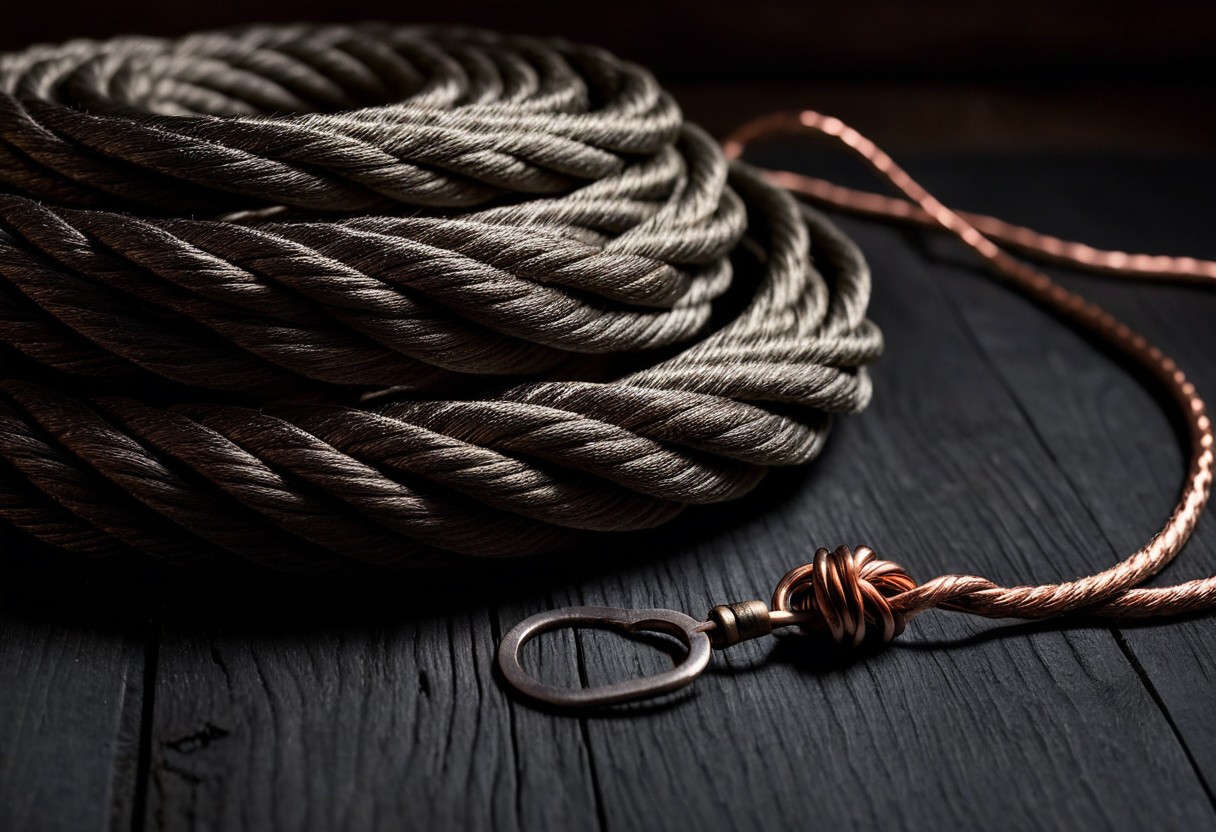
A rope top is the active partner in rope bondage — the one applying the rope, shaping harnesses, and directing the flow of the scene. The role can be creative and technical, aesthetic and connective, or intensely sadistic, depending on the people involved and what they've negotiated. 'Rigger' is a common synonym, though some practitioners prefer 'rope top' because 'rigger' can imply a purely engineering focus rather than the relational side of tying.
Being a rope top is a learned skill set, not simply a personality trait. It combines knowledge of the body, rope handling, and constant attention to the person being tied (the rope bottom). Many rope tops describe the appeal as a blend of focus, artistry, and partnership rather than domination alone — though rope can absolutely carry a D/s charge when both people want that.
Common forms
Rope topping spans a wide range of styles and intensities. What ties them together is responsibility for the rope and the person in it.
- Decorative or 'floor' ties — harnesses and patterns done with the bottom supported on the ground.
- Functional bondage — restraint for immobility, sensation, or predicament play.
- Partial and full suspension — advanced, higher-risk tying that lifts the bottom off the ground.
- Style traditions — Japanese-influenced kinbaku/shibari, Western bondage, and personal hybrid approaches.
- Emotional or D/s-flavored rope, where the tie carries a power dynamic, versus collaborative, peer-to-peer rope.
Consent & safety
Rope carries genuine physical risk, most notably nerve compression, circulation loss, joint strain, and — in suspension — falls. A responsible rope top treats safety as a core part of the role, not an afterthought. This means negotiating before tying, checking in during, and paying attention to the bottom's body and words the entire time.
Rope tops share responsibility for safety with the rope bottom; the bottom is an active participant who reports sensation and can call an end at any moment. Nerve damage can happen quickly and is not always painful, so tops learn warning signs and act immediately.
- Negotiate limits, health issues, injuries, and goals before starting.
- Keep safety shears within reach to cut rope fast in an emergency.
- Know nerve pathways and check circulation, temperature, and movement regularly.
- Use clear check-ins and a safeword or traffic-light system; respond without ego.
- Never tie around the neck for restraint, and treat suspension as advanced practice.
- Plan aftercare and watch for both subdrop and topdrop afterward.
Exploring it responsibly
Rope topping is best learned hands-on from experienced practitioners, in-person classes, rope jams, and reputable community resources — not from static images or copying photos, which hide crucial safety details. Start with simple floor ties, build gradually, and treat suspension only as a longer-term goal pursued under experienced guidance.
Good rope tops invest as much in communication and body-reading as in knots. Vetting play partners, building trust, and being honest about your current skill level all protect the people you tie. Progress is measured in safety and connection, not in how advanced a tie looks.
Frequently asked questions
Is 'rope top' the same as 'rigger'?
They usually refer to the same role — the person doing the tying. Some prefer 'rope top' because it emphasizes the relationship with the bottom, while 'rigger' can sound more technical or engineering-focused.
Does a rope top have to be dominant?
No. Rope can carry a D/s dynamic if both people want that, but many rope tops tie as a collaborative, peer-to-peer, or artistic activity with no power exchange at all.
What is the rope top's main safety responsibility?
Preventing harm — watching for nerve and circulation issues, keeping safety shears handy, checking in, and stopping immediately when something is wrong. This responsibility is shared with the rope bottom, who reports how they feel.
How do beginners learn to tie safely?
Through hands-on instruction from experienced practitioners, classes, and rope jams, starting with simple floor ties. Suspension and other advanced work should come much later, under guidance.
Make an image of Rope Top
Describe the scene, we turn it into a photoreal image. Yours to keep, post, or share.
Curious how Rope Top fits you?
Take the free Kink Test — scored across 35 archetypes with an inclusive, consent-first lens. No login, no email. Just answer honestly and see where you land.
18+ only. Private by default.
Explore Rope Top with people who get it.
SafeHaven is a private, consent-first kink & BDSM social network. Founding members get free lifetime membership — before paid tiers ever land. Come as you are, stay forever.
100 founding seats — free lifetime membership
18+ only. No passwords, ever.