
Kinbaku
Kinbaku (緊縛, 'tight binding') is the Japanese art of erotic rope bondage, closely related to shibari but often carrying a stronger connotation of emotional and erotic intensity between rope top and bottom. It emphasizes not just the visual form of the ties but the connection, communication, and shifting energy that unfold during the tying.
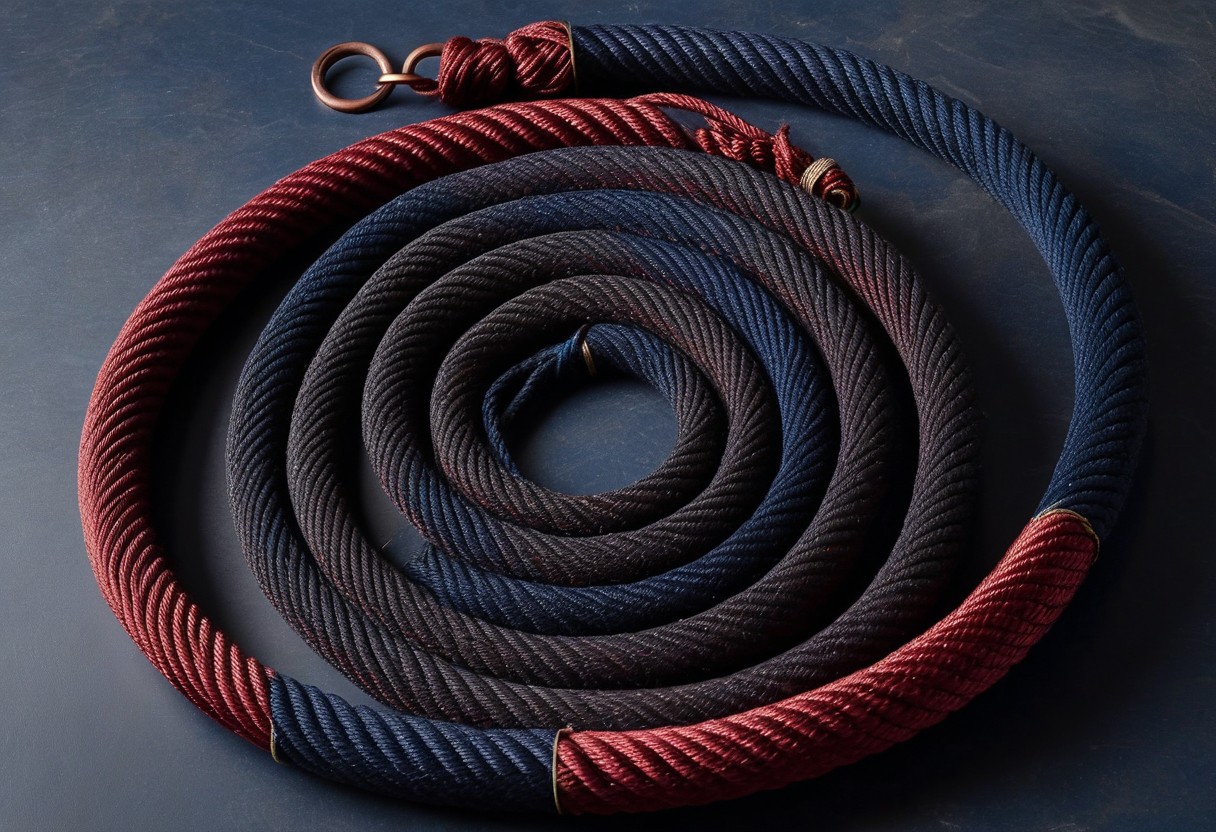
What it is
Kinbaku is a Japanese rope practice whose name literally means 'tight binding.' While the word shibari (to tie/bind) is often used interchangeably in the West, many practitioners reserve kinbaku for rope work with a deliberately erotic, emotional, and relational focus — the intimacy and interplay between the person tying (rope top or 'nawashi') and the person being tied (rope bottom).
Its modern form grew out of early 20th-century Japanese practice and stage performance, drawing on aesthetic traditions and evolving through influential artists and teachers. Contemporary kinbaku spans a spectrum from decorative floorwork to demanding suspension, but its defining thread is intention: rope as a medium for presence, sensation, and connection rather than technique alone.
Common forms
Kinbaku ranges widely in intensity and physical demand. Beginners typically stay on the ground with simple, well-supported ties, while advanced practitioners may explore partial or full suspension after significant hands-on training.
- Floorwork — ties done on the ground, lower-risk and ideal for learning connection and body awareness.
- Harnesses and decorative ties — chest harnesses and other patterns that frame the body (see karada and rope harness).
- Predicament and tension ties — configurations that create sustained sensation or challenge.
- Suspension — lifting some or all of the body off the ground; an advanced, higher-risk practice requiring specialized skill and rigging.
Consent & safety
Rope carries real physical risk, most notably nerve injury, circulation loss, joint strain, falls, and positional stress; these risks increase sharply with suspension. Kinbaku also has emotional intensity that can surface strong feelings for both partners, so psychological safety matters as much as physical safety. These skills are learned hands-on from experienced practitioners and reputable in-person resources, not from text or video alone.
Negotiate before tying, agree on safewords or a traffic-light system, and keep safety shears within reach for quick release. Check in frequently and watch for numbness, tingling, coldness, or color change, which signal a tie must come off immediately.
- Learn nerve pathways and warning signs before applying tension.
- Never leave a tied person unattended, and never tie the neck under load.
- Keep safety shears accessible for emergency release at all times.
- Discuss emotional limits, triggers, and aftercare in advance.
- Treat suspension as an advanced discipline requiring mentored, in-person learning.
Exploring it responsibly
Start slow and prioritize communication over aesthetics. Local rope jams, classes, and community events are the best places to learn safely, ask questions, and receive feedback from experienced people. Practice single ties until they feel reliable, and build a shared vocabulary with your partner for describing sensation and comfort.
Because kinbaku can be emotionally immersive, plan for aftercare and allow time to decompress afterward. Both partners can experience drop, and gentle post-scene attention supports a good experience. Approach the practice with patience — mastery is measured in years, and connection matters more than complexity.
Frequently asked questions
Is kinbaku the same as shibari?
They overlap heavily and are often used interchangeably. Many practitioners use kinbaku to emphasize the erotic and emotional intensity of the rope, while shibari refers more broadly to the act of tying.
Do I need a partner to learn kinbaku?
Not necessarily — you can practice tension, transitions, and rope handling on a leg, chair, or with a study partner. Community classes and rope jams are ideal for learning fundamentals before working intensively with a partner.
Is kinbaku dangerous?
It carries genuine risks including nerve damage, circulation loss, and falls, especially in suspension. These risks are managed through in-person training, careful negotiation, constant monitoring, and having safety shears on hand.
How long does it take to learn suspension?
There is no fixed timeline, but suspension is an advanced skill typically built over many months or years of grounded practice, mentorship, and repeated hands-on learning with experienced riggers.
Make an image of Kinbaku
Describe the scene, we turn it into a photoreal image. Yours to keep, post, or share.
Curious how Kinbaku fits you?
Take the free Kink Test — scored across 35 archetypes with an inclusive, consent-first lens. No login, no email. Just answer honestly and see where you land.
18+ only. Private by default.
Explore Kinbaku with people who get it.
SafeHaven is a private, consent-first kink & BDSM social network. Founding members get free lifetime membership — before paid tiers ever land. Come as you are, stay forever.
100 founding seats — free lifetime membership
18+ only. No passwords, ever.