
Shibari
Also called kinbaku-bi.
Shibari (also called kinbaku-bi) is a Japanese-derived rope bondage art form that values both the visual beauty of its patterns and the sensory and emotional connection it builds between the person tying and the person being tied. It ranges from simple decorative harnesses to advanced suspension, and its practice emphasizes attentiveness, communication, and safety at every level.
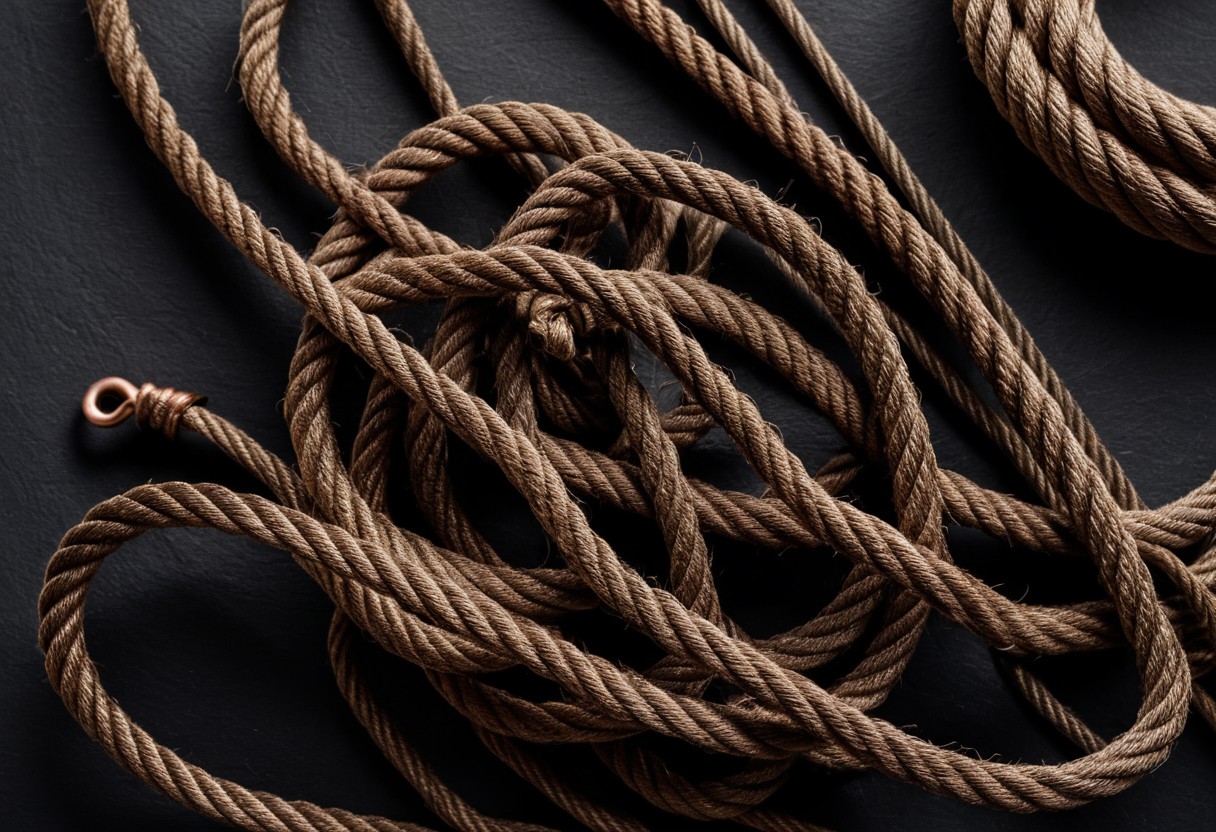
What it is
Shibari is a form of rope bondage rooted in Japanese aesthetics and practice. The word broadly means 'to tie,' while kinbaku ('tight binding') and kinbaku-bi ('the beauty of tight binding') point to its more intimate, artful expression. Modern practice descends from earlier Japanese traditions and has evolved through decades of Western and global cross-pollination.
What distinguishes shibari from purely functional restraint is its emphasis on line, tension, rhythm, and the relationship between the person tying (the rope top) and the person being tied (the rope bottom). Many practitioners describe it as a meditative dialogue conducted through rope, breath, and attention rather than words. It can be sensual, artistic, athletic, or all of these at once, and it does not have to be sexual.
Common forms
Shibari spans a wide range of complexity and intensity. Beginners often start with floor-based (also called 'ground') ties that keep the body supported, while advanced practitioners may work toward partial or full suspension after significant hands-on training.
- Decorative harnesses such as a karada (body harness) that create patterns across the torso
- Chest and arm ties, including box-tie style bindings, done seated or lying down
- Floor work that limits movement and builds sensation without lifting the body
- Partial and full suspension bondage — an advanced, higher-risk practice
- Predicament and tension-based ties that play with balance and endurance
Consent & safety
Rope carries real physical risk. Nerve compression and circulation loss are the most common injuries, and suspension multiplies these risks significantly. Nerve damage can occur quickly and without pain, so ongoing check-ins and monitoring are essential. Suspension and load-bearing ties are advanced skills learned hands-on from experienced practitioners and reputable in-person resources — not from text or video alone.
Negotiate before you begin: discuss goals, limits, injuries, medical conditions, and how you'll communicate. Agree on a safeword or a nonverbal signal, since a gagged or deeply focused bottom may not be able to speak. Keep safety shears within reach at all times to cut someone free in an emergency.
- Watch for numbness, tingling, coldness, color changes, or loss of movement — release immediately if they occur
- Avoid tying directly over joints and known nerve pathways
- Never leave a bound person unattended, especially in any form of suspension
- Have safety shears on hand and know how to use them
- Debrief and provide aftercare; rope can bring up strong physical and emotional responses
Exploring it responsibly
The best entry point is in-person learning: local rope jams, workshops, and mentorship from experienced practitioners offer feedback that self-study cannot. Start with simple floor ties, build fundamentals slowly, and treat each session as a shared practice rather than a performance. Both partners should feel free to pause or stop at any time.
Approach shibari as a lifelong skill. Progress toward complex ties or suspension only when your fundamentals are solid, your communication is fluent, and you have qualified guidance. Patience protects both the art and the people practicing it.
Frequently asked questions
Is shibari the same as kinbaku?
The terms overlap and are often used interchangeably. In general, shibari refers broadly to the act of tying, while kinbaku (and kinbaku-bi) emphasize the more intimate, emotionally charged, and aesthetic dimension of Japanese rope bondage.
Is shibari dangerous?
It carries real risks, primarily nerve damage and circulation loss, which increase dramatically with suspension. With proper training, careful negotiation, ongoing monitoring, and safety shears on hand, many risks can be managed responsibly.
Do I need special rope to start?
Many practitioners use natural fiber ropes like jute or hemp for grip and feel, while others use cotton or synthetic ropes that are softer and easier to care for. Whatever the material, learning proper technique matters far more than owning expensive rope.
Does shibari have to be sexual?
No. For many people it is primarily artistic, meditative, or a form of connection and sensation. Whether it includes a sexual element is entirely up to the people involved and should be negotiated in advance.
Make an image of Shibari
Describe the scene, we turn it into a photoreal image. Yours to keep, post, or share.
Curious how Shibari fits you?
Take the free Kink Test — scored across 35 archetypes with an inclusive, consent-first lens. No login, no email. Just answer honestly and see where you land.
18+ only. Private by default.
Explore Shibari with people who get it.
SafeHaven is a private, consent-first kink & BDSM social network. Founding members get free lifetime membership — before paid tiers ever land. Come as you are, stay forever.
100 founding seats — free lifetime membership
18+ only. No passwords, ever.