St. Andrew's Cross
A St. Andrew's Cross is an X-shaped bondage frame, typically made of wood or metal, that a standing person can be secured to at the wrists and ankles. Its diagonal design spreads the limbs and exposes the front or back of the body, making it a popular fixture for impact, sensation, and restraint play in dungeons and home play spaces.
What it is
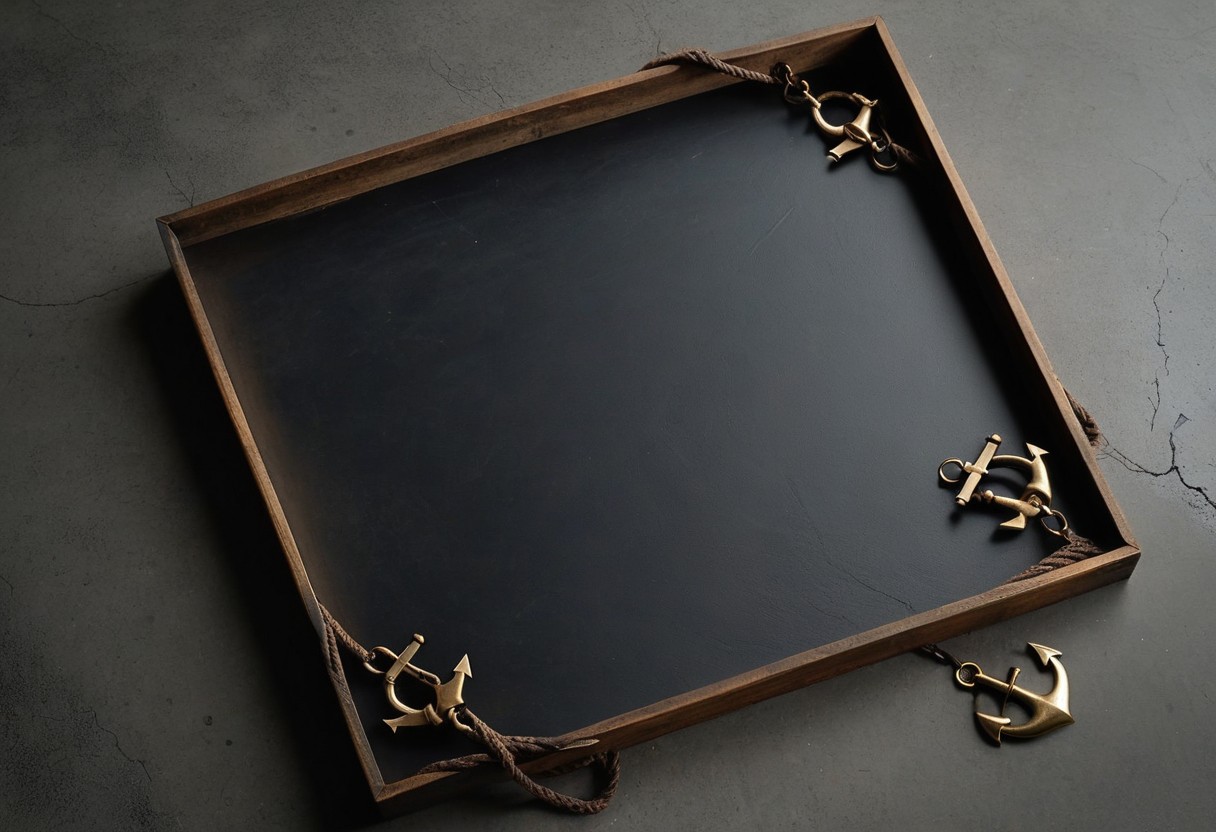
A St. Andrew's Cross (named for the X-shaped 'saltire' cross associated with Saint Andrew) is a piece of bondage furniture consisting of two beams crossed to form an X, usually mounted upright and anchored to a wall or a freestanding base. A person stands against it while their wrists and ankles are secured to the four ends, holding them in a spread, open posture.
The cross is prized for the access it offers. Because the limbs are held apart and the torso is presented, a top can move around the bound person to apply floggers, paddles, hands, or sensation tools. It is a static restraint device rather than a suspension system, so the bottom keeps their feet on or near the ground and bears their own weight.
Common forms
Crosses vary widely in construction and features, from heavy dungeon-grade builds to portable or folding versions for home use.
- Wall-mounted crosses, which are extremely stable but fixed in place.
- Freestanding crosses with a weighted base or outriggers for support.
- Portable or collapsible frames designed for storage and travel.
- Attachment points at each arm, often using eye bolts, rings, or padded cuffs so the person can be secured with restraints, rope, or straps.
- Optional additions such as a center anchor for a waist strap, padding, or adjustable arm angles for different body sizes.
Consent & safety
Being bound to a cross combines restraint with whatever play happens while restrained, so both elements should be negotiated in advance. The bottom cannot easily move, protect themselves, or leave, which raises the importance of clear communication, a shared safeword or signal, and an attentive top who checks in.
Standing restraint carries specific physical considerations that are worth understanding before you begin.
- Circulation and nerves: cuffs should hold securely without cutting off blood flow; check for numbness, tingling, or cold, pale hands.
- Positional fatigue and fainting: standing with arms raised can reduce blood flow over time; watch for dizziness and plan for shorter durations.
- Quick release: know how to free the person fast, and keep safety shears nearby if rope or tape is used.
- Structural stability: confirm the cross is rated for the weight and forces involved, especially freestanding models.
- Sanitation: as shared equipment, wipe down surfaces between users and cover or clean any contact points (see toy sanitization).
- Aftercare: plan for warmth, fluids, and connection afterward, as restraint and impact can produce a strong physical and emotional comedown.
Exploring it responsibly
Many people first encounter a St. Andrew's Cross at a kink club, dungeon, or play party, where equipment is maintained and dungeon monitors are present. If you buy or build one for home, prioritize sturdy, well-anchored construction and body-safe restraint hardware.
Start with short, low-intensity sessions to learn how the bound person responds to standing restraint before layering in impact or sensation play. Negotiate limits, agree on check-in cues, and treat the first few uses as a chance to learn the equipment and each other rather than to push intensity.
Frequently asked questions
Is a St. Andrew's Cross the same as suspension?
No. On a cross the bottom stands and supports their own weight; suspension bondage lifts the body off the ground and carries far higher risk. A cross is a static, standing restraint device.
How is someone secured to it?
Usually with padded cuffs, straps, or rope attached to rings or bolts at each of the four arms. Quick-release cuffs are popular because they let the top free the person rapidly if needed.
Can you use one safely at home?
Yes, if it is well built and properly anchored or weighted for the loads involved. Follow the same negotiation, check-in, and quick-release practices used in a dungeon, and inspect the hardware regularly.
How long can someone stay bound to a cross?
There is no fixed limit, but standing restraint with raised arms can cause fatigue, reduced circulation, and lightheadedness, so keep sessions on the shorter side and check in frequently.
Make an image of St. Andrew's Cross
Describe the scene, we turn it into a photoreal image. Yours to keep, post, or share.
Curious how St. Andrew's Cross fits you?
Take the free Kink Test — scored across 35 archetypes with an inclusive, consent-first lens. No login, no email. Just answer honestly and see where you land.
18+ only. Private by default.
Explore St. Andrew's Cross with people who get it.
SafeHaven is a private, consent-first kink & BDSM social network. Founding members get free lifetime membership — before paid tiers ever land. Come as you are, stay forever.
100 founding seats — free lifetime membership
18+ only. No passwords, ever.