
Bondage Furniture
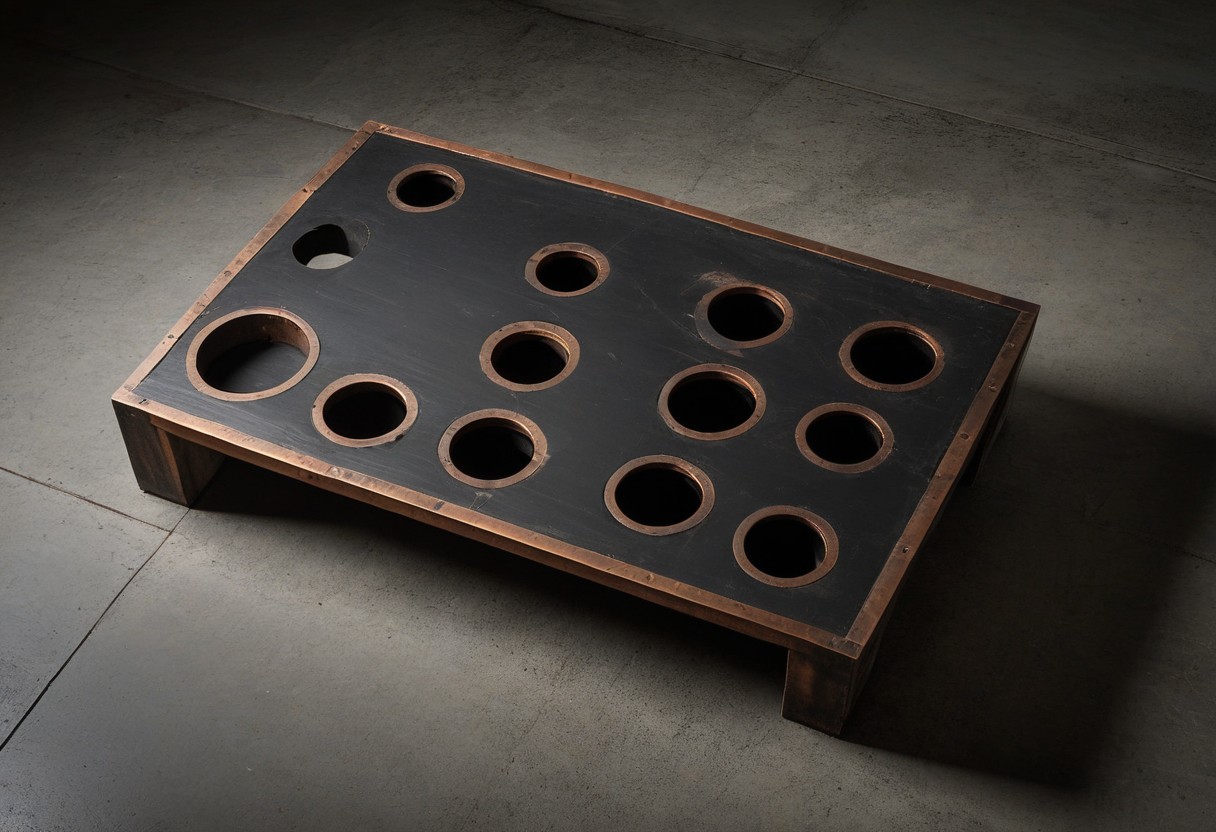
Also called spanking bench, stocks.
Bondage furniture is purpose-built equipment—such as spanking benches, stocks, cages, and crosses—designed to hold a partner comfortably and securely in a specific position for a scene. It matters because well-made furniture can offer more stability, ergonomic support, and predictable positioning than improvised setups, which changes both the safety profile and the range of activities possible.
What it is
Bondage furniture is any structure engineered to restrain or position a body for erotic or power-exchange play. Unlike rope or cuffs used alone, these pieces combine restraint with a supporting frame, so the bottom's weight is held by the furniture rather than by their own muscles or by pressure on soft tissue.
The category spans simple, portable items to large fixed installations found in dungeons and kink clubs. Their shared purpose is to place someone in a chosen posture—bent over, spread, kneeling, standing, or enclosed—and keep them there safely for the duration of a scene.
Common forms
Designs vary widely by intended use, budget, and available space. Some support impact play, some emphasize display or immobility, and others are built for endurance and predicament scenes.
- Spanking benches: padded platforms that position the bottom for impact play with support for hips, knees, and forearms.
- Stocks and pillories: framed boards that hold the neck, wrists, or ankles, historically themed and used for immobilization and display.
- St. Andrew's cross: an X-shaped frame for standing, spread-eagle restraint.
- Cages and confinement boxes: enclosures used for prolonged containment or objectification scenes.
- Bondage tables, chairs, and horses: frames offering anchor points and adjustable positioning.
Consent & safety
Restraint on furniture concentrates physical risk in a few areas: circulation, nerve compression, joint strain, and reduced ability to move if something goes wrong. Because a bottom on furniture often cannot free themselves, the top holds full responsibility for monitoring and for having a fast release plan.
Negotiate positions, duration, and limits beforehand, and agree on a safeword plus a non-verbal signal in case a gag or position prevents speech. Never leave a restrained person alone.
- Check circulation and nerve sensation regularly; numbness, tingling, or color change means adjust or release.
- Keep safety scissors or quick-release hardware within immediate reach.
- Avoid positions that strain the neck, shoulders, or lower back for extended periods.
- Inspect furniture for stability, splinters, loose bolts, and weight rating before use.
- Choose body-safe, cleanable surfaces and sanitize between partners.
- Watch for emotional as well as physical distress; plan aftercare in advance.
Exploring it responsibly
Beginners can start with sturdy, well-reviewed commercial pieces or padded benches that require little technical skill, rather than complex confinement gear. Trying furniture at a reputable kink club or play party—where dungeon monitors are present—lets you experience it before investing.
If you build or buy DIY equipment, prioritize load-tested construction, smooth finishes, and reliable hardware; furniture failure under load is a real hazard. Learn from experienced practitioners, start with short sessions, and build duration and intensity gradually as trust and skill grow.
Frequently asked questions
Is bondage furniture safer than rope?
Not automatically—it's different. Furniture can reduce some risks by supporting body weight and giving predictable positioning, but it still carries circulation, nerve, and joint risks and requires monitoring and a quick release plan.
Do I need expensive gear to start?
No. Many people begin with a simple padded bench or by trying equipment at a kink club. Whatever you use, structural stability and body-safe, cleanable surfaces matter more than price.
Can someone be left restrained on furniture unattended?
No. A person who cannot free themselves should never be left alone. Circulation, position, or emotional state can change quickly, and the top is responsible for continuous monitoring.
How do I clean shared bondage furniture?
Use body-safe materials with non-porous or wipeable surfaces, and disinfect contact points between partners. Porous straps or padding may need barriers or replacement to stay hygienic.
Make an image of Bondage Furniture
Describe the scene, we turn it into a photoreal image. Yours to keep, post, or share.
Curious how Bondage Furniture fits you?
Take the free Kink Test — scored across 35 archetypes with an inclusive, consent-first lens. No login, no email. Just answer honestly and see where you land.
18+ only. Private by default.
Explore Bondage Furniture with people who get it.
SafeHaven is a private, consent-first kink & BDSM social network. Founding members get free lifetime membership — before paid tiers ever land. Come as you are, stay forever.
100 founding seats — free lifetime membership
18+ only. No passwords, ever.