
Dungeon
A dungeon is a dedicated space—private or commercial—outfitted with bondage furniture and equipment for kink and BDSM play. Despite the medieval-sounding name, a dungeon is simply a purpose-built room or venue designed for safer, comfortable scenes, ranging from a spare bedroom to a professional club with multiple stations.
What it is
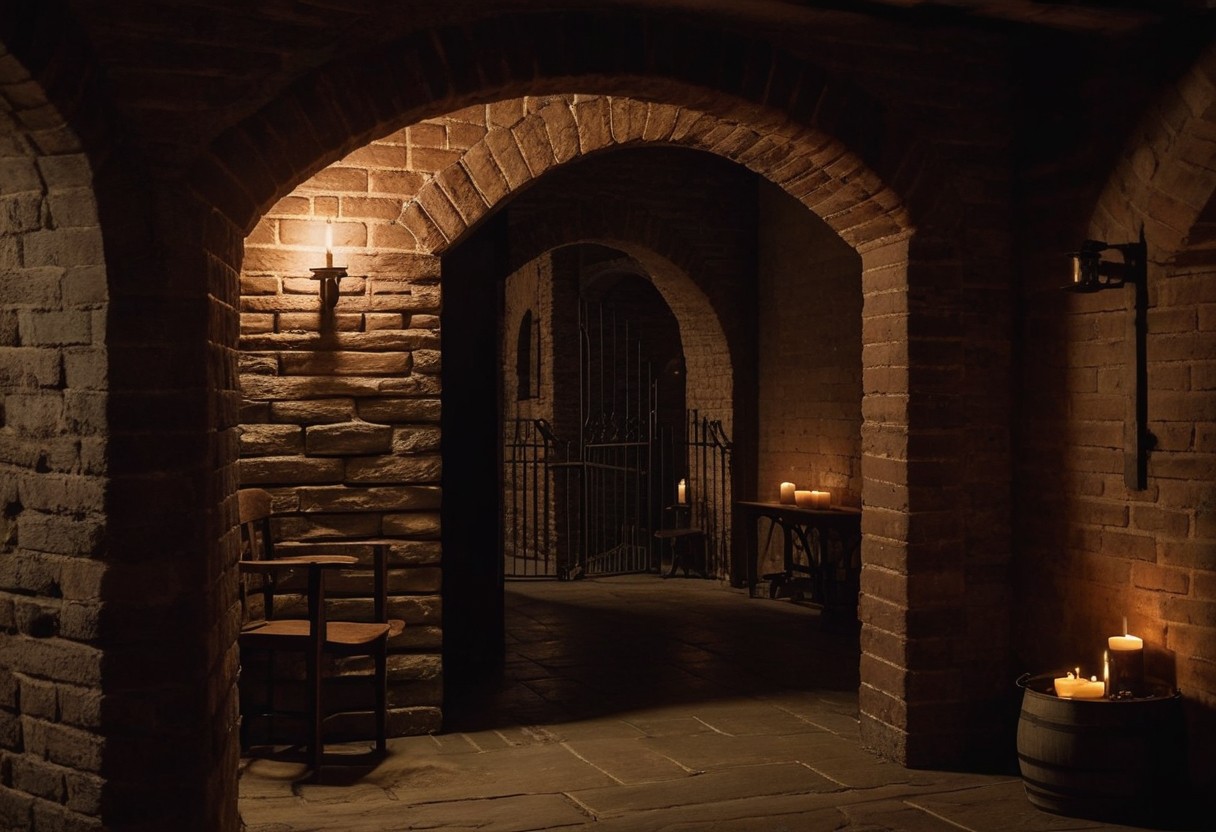
A dungeon is a space intentionally set up for BDSM activities, equipped with furniture and gear that support bondage, impact, sensation, and power-exchange play. The word evokes castles and gloom, but in practice a dungeon is defined by its function rather than its decor—it is anywhere designed to make kink play safer, more accessible, and more comfortable.
Dungeons exist on a spectrum. A 'home dungeon' might be a single room fitted with a few anchor points and a piece or two of furniture. Commercial dungeons and kink clubs are larger venues, often with multiple play stations, monitored by staff, and available for rent, membership, or open play parties.
Common forms
What a dungeon contains varies with the interests of its owners or the venue's clientele. Common outfitting includes:
- St. Andrew's cross, spanking benches, bondage beds, cages, and suspension frames
- Wall-mounted anchor points and hard points rated for suspension
- Storage for impact toys, rope, restraints, and sensation tools
- Cleaning stations, barrier supplies, and space for aftercare
- Private home dungeons, professional dungeons (for pro-domme sessions), and community club dungeons hosting play parties
Consent & safety
A dungeon is a shared or semi-shared environment, so etiquette and safety norms matter as much as the equipment. Reputable public dungeons post house rules, require negotiated consent, and often employ dungeon monitors (DMs) who watch for safety issues and consent violations without interrupting healthy scenes.
Equipment introduces its own risks: suspension hard points must be properly rated and installed, and any surface or tool that contacts skin should be cleanable or disposable. Never assume shared gear is sanitized—confirm hygiene practices before use.
- Learn and follow the venue's rules; ask staff or a DM if anything is unclear
- Never touch other people's scenes, gear, or bodies without explicit permission
- Negotiate scenes and agree on a safeword or the traffic-light system beforehand
- Verify that suspension points, furniture, and toys are sound and body-safe
- Plan for aftercare and give others space and privacy
Exploring it responsibly
Newcomers often first encounter a dungeon through a monitored play party or an educational event, which is a lower-pressure way to learn the culture before playing. Attending a munch, taking classes, and getting vetted by a community are common on-ramps to accessing club or private spaces safely.
If you are building a home dungeon, prioritize structurally sound anchor points, quality body-safe materials, and honest assessment of what your space and skills can support. When renting a professional or commercial dungeon, clarify booking terms, supervision, and what equipment is provided versus what you bring. In all cases, the space is only as safe as the people using it—consent, communication, and preparation come first.
Frequently asked questions
Do I need my own dungeon to enjoy kink?
No. Many people play at home with minimal gear or rent time at commercial dungeons and clubs. A dedicated space is a convenience, not a requirement.
What is a dungeon monitor?
A dungeon monitor (DM) is a designated person at a public dungeon or play party who oversees safety, enforces house rules, and helps address consent or safety concerns without disrupting consensual scenes.
Is a professional dungeon the same as a sex venue?
Not necessarily. Professional dungeons are often used for BDSM sessions with a pro-domme or dom that may not involve sex at all. Rules and services vary widely by venue and jurisdiction, so always clarify in advance.
How do I access a community dungeon as a beginner?
Start by attending a munch or introductory event, connecting with local organizers, and completing any vetting process. Many groups welcome newcomers to observe and learn before playing.
Make an image of Dungeon
Describe the scene, we turn it into a photoreal image. Yours to keep, post, or share.
Curious how Dungeon fits you?
Take the free Kink Test — scored across 35 archetypes with an inclusive, consent-first lens. No login, no email. Just answer honestly and see where you land.
18+ only. Private by default.
Related terms
Explore Dungeon with people who get it.
SafeHaven is a private, consent-first kink & BDSM social network. Founding members get free lifetime membership — before paid tiers ever land. Come as you are, stay forever.
100 founding seats — free lifetime membership
18+ only. No passwords, ever.