Play Party
A play party is an organized event where people gather to engage in kink or BDSM play on-site, structured around clear consent rules, etiquette, and often trained monitors. It offers a social, supervised environment for playing, watching, learning, and connecting with community.
What it is
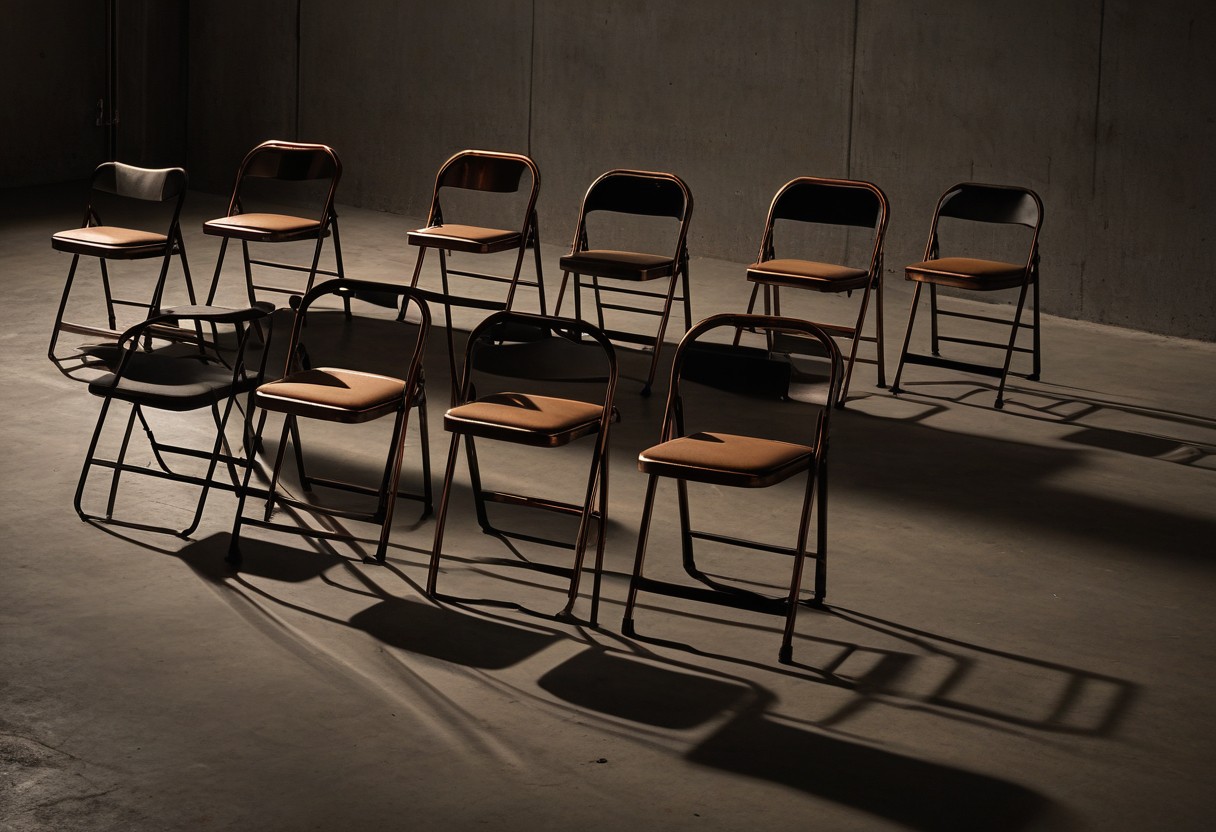
A play party is a hosted gathering — in a private home, a rented venue, or a dedicated kink club — where attendees may play openly in a shared space. Unlike a purely social munch (which happens in public, clothed, with no play), a play party is a designated environment where scenes actually take place, whether impact play, rope, sensation play, or power exchange.
Parties vary widely in size, tone, and focus. Some are small and intimate; others host dozens of people across multiple stations and equipment. Most operate under published rules, an application or vetting process, and clear expectations about behavior. The goal is a space where people can explore their interests safely, without judgment, alongside others who share them.
Common forms
Play parties come in many flavors, and knowing the type helps you choose one that fits your comfort level and interests.
- General or 'anything goes' parties covering a broad range of BDSM activities
- Themed or focused events — rope jams, impact-only nights, or fetish-specific gatherings
- Beginner-friendly or newcomer nights with orientation and lower intensity
- Identity- or community-centered parties (queer, women's, trans, TNG for younger adults)
- Voyeur- and exhibition-friendly spaces versus more private, low-key ones
Consent & safety
Consent is the foundation of any reputable play party. Good events publish their rules ahead of time, require negotiation before play, and prohibit touching people or their equipment without explicit permission. Many stations dungeon monitors (DMs) — trained volunteers who watch for safety issues, mediate concerns, and intervene if something goes wrong.
Learn the house rules before you arrive and respect them without exception. Watching quietly is welcome; interrupting a scene, giving unsolicited advice, or photographing anyone is not. Never assume that because someone is playing publicly they are open to interaction — verbal consent is still required for everything.
- Read and follow the venue's rules and consent policy before attending
- Negotiate scenes in advance and confirm safewords or the traffic-light system
- Ask before touching people, equipment, or entering someone's space
- Know how to reach a dungeon monitor and how to report a problem
- Respect privacy: no photos, no naming attendees outside the event
- Plan for aftercare and have a way home if you experience drop later
Exploring it responsibly
If you're new, start by attending a munch or a beginner night to meet the community before diving in. You are never obligated to play — many people attend their first several parties just to observe, socialize, and learn the culture. Arrive sober, know your own limits, and communicate them clearly.
Vetting matters: reputable parties screen attendees, and you should also vet events and organizers before committing. Ask about consent policies, DM coverage, and what happens if someone violates the rules. A well-run party will welcome those questions. Bring a buddy if you can, and give yourself permission to leave at any time.
Frequently asked questions
Do I have to play at a play party?
No. Attending to watch, socialize, and learn is completely normal and welcome. Many people spend their first few parties simply observing before ever participating in a scene.
How do I find a reputable play party?
Start with local munches and community groups, which often lead to vetted events. Look for parties with published rules, dungeon monitors, and a clear process for handling consent violations.
What's the difference between a play party and a munch?
A munch is a casual, clothed social meetup in a public place with no play. A play party is a designated space where kink play actually happens under specific rules and supervision.
Can I bring a partner or a friend?
Often yes, but check the event's policy — some require each guest to be vetted individually. Bringing a trusted buddy is a common and encouraged safety practice.
Make an image of Play Party
Describe the scene, we turn it into a photoreal image. Yours to keep, post, or share.
Curious how Play Party fits you?
Take the free Kink Test — scored across 35 archetypes with an inclusive, consent-first lens. No login, no email. Just answer honestly and see where you land.
18+ only. Private by default.
Explore Play Party with people who get it.
SafeHaven is a private, consent-first kink & BDSM social network. Founding members get free lifetime membership — before paid tiers ever land. Come as you are, stay forever.
100 founding seats — free lifetime membership
18+ only. No passwords, ever.