Sadomasochism (S/M)
Also called S&M, S/M.
Sadomasochism (S/M) is the consensual practice of giving and receiving intense sensation — most often pain — for erotic, emotional, or connective purposes, along with the community and identity that has grown around it. It combines sadism (arousal from giving sensation) and masochism (arousal from receiving it), and rests entirely on negotiated, enthusiastic consent.
What it is
Sadomasochism, usually shortened to S/M or S&M, describes consensual play in which one person gives intense sensation and another receives it, along with the shared culture and self-identification that surround this interest. The word combines 'sadism' (finding pleasure in delivering sensation) and 'masochism' (finding pleasure in receiving it), though many people move between both roles.
For practitioners, the appeal is rarely about harm. Intense sensation can produce endorphin release, focus, catharsis, deep trust, altered headspace, and a powerful sense of connection. S/M often overlaps with dominance and submission but is distinct: it centers on sensation and its exchange rather than on authority. Someone can enjoy S/M with no power dynamic at all, and vice versa.
Common forms
S/M is an umbrella covering many activities that vary widely in intensity, tools, and risk. People choose what resonates and negotiate specifics beforehand.
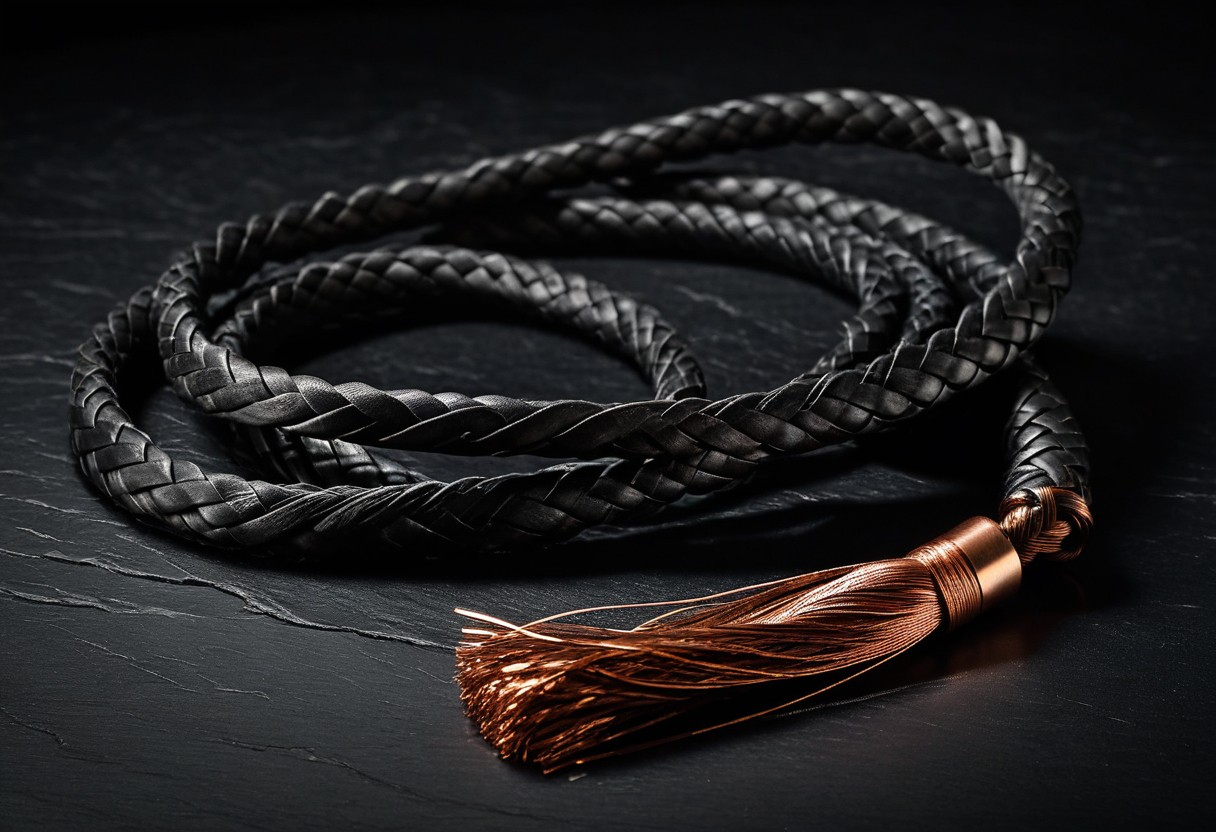
- Impact play — spanking, paddling, flogging, caning, or whipping
- Sensation play — pinching, scratching, temperature, or nipple clamps
- Edge-oriented practices such as needle, wax, or knife play (advanced, higher-risk)
- Psychological intensity like consensual humiliation or interrogation roleplay
- Combined dynamics that pair sensation with D/s or bondage
Consent & safety
Consent is the non-negotiable foundation of S/M. Partners negotiate what will happen, discuss limits and health considerations, agree on a safeword or a traffic-light system, and stay attentive to one another throughout. Sensation should never override a person's ability to communicate.
Different activities carry different risks — from bruising to nerve, skin, or bloodborne concerns. Higher-intensity or edge practices carry real physical and psychological risk and are best learned hands-on from experienced practitioners and reputable in-person resources, not from written instructions. Aftercare — physical and emotional care once a scene ends — helps both partners land safely and reduces subdrop or topdrop.
- Negotiate limits, health, and safewords before starting
- Learn anatomy and risk for any specific activity before doing it
- Check in during play and stop when asked
- Plan aftercare and follow-up for both partners
- Frameworks like SSC, RACK, and PRICK guide responsible practice
Exploring it responsibly
Newcomers do best by starting low-intensity, going slowly, and prioritizing communication over ambition. Reading, attending munches or classes, watching skill demonstrations, and talking with experienced people builds knowledge safely. Vetting partners and understanding a scene's risk profile matter as much as any technique.
S/M can be deeply meaningful, but it is not a test of endurance or a way to bypass consent. The goal is mutual pleasure and trust between informed adults. If something feels wrong physically or emotionally, pausing is always the right choice — good partners welcome it.
Frequently asked questions
Is sadomasochism about wanting to hurt or be hurt?
No. It's about consensually exchanging intense sensation for pleasure, catharsis, or connection — within agreed limits. Genuine harm, injury, or non-consent is the opposite of what responsible S/M aims for.
What's the difference between S/M and D/s?
S/M centers on giving and receiving sensation, while D/s centers on power and authority. They often appear together but are separate interests — you can enjoy one without the other.
Do I have to be either a sadist or a masochist?
No. Many people identify as switches who enjoy both giving and receiving, and interests can shift over time or between partners.
How do beginners start safely?
Begin gently, negotiate clearly, agree on a safeword, and learn from experienced people and in-person resources. Start with lower-risk sensation play before considering anything advanced.
Make an image of Sadomasochism (S/M)
Describe the scene, we turn it into a photoreal image. Yours to keep, post, or share.
Curious how Sadomasochism (S/M) fits you?
Take the free Kink Test — scored across 35 archetypes with an inclusive, consent-first lens. No login, no email. Just answer honestly and see where you land.
18+ only. Private by default.
Explore Sadomasochism (S/M) with people who get it.
SafeHaven is a private, consent-first kink & BDSM social network. Founding members get free lifetime membership — before paid tiers ever land. Come as you are, stay forever.
100 founding seats — free lifetime membership
18+ only. No passwords, ever.