
Sadism
Sadism, in a kink context, is deriving genuine pleasure from consensually giving a partner physical or psychological intensity within a negotiated scene. It is one half of the sadomasochism (S/M) pairing, and depends entirely on the enthusiastic, informed consent of the person receiving. It matters because it reframes intensity as a collaborative gift rather than harm.
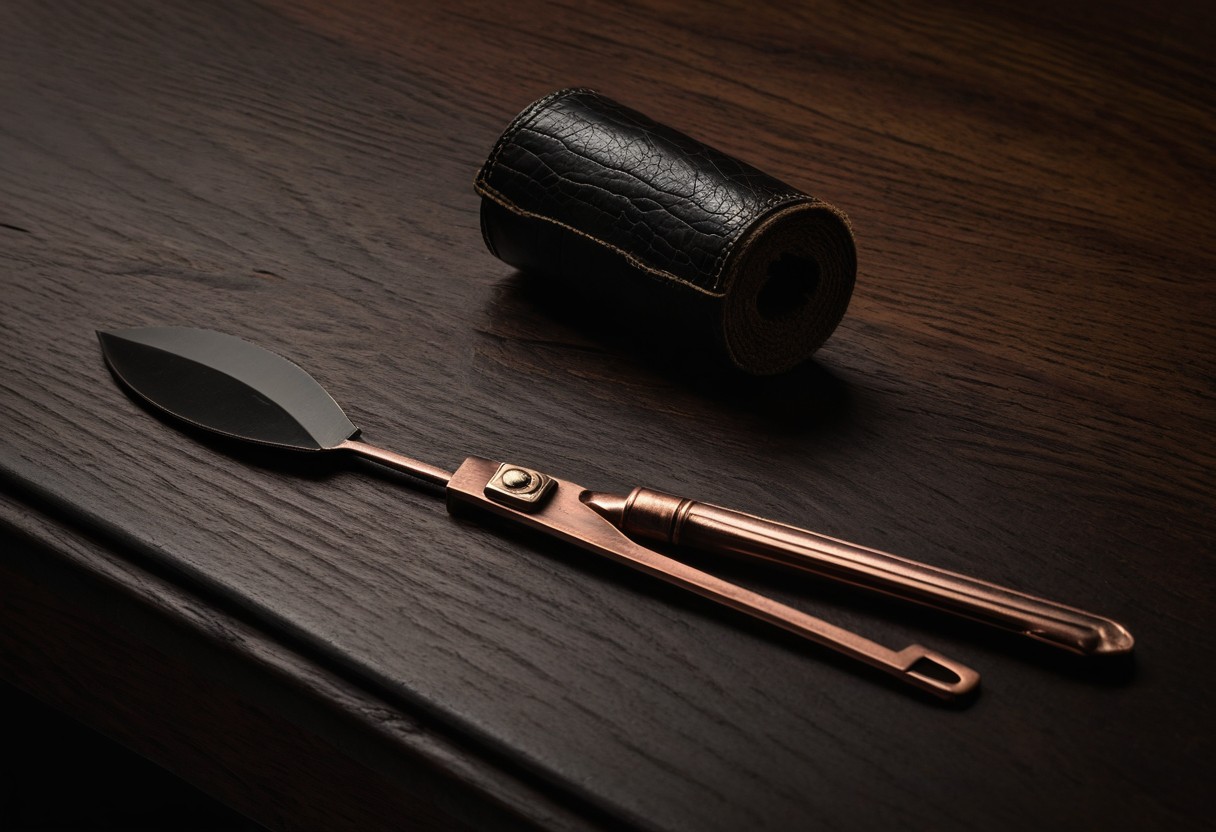
What it is
Sadism describes the erotic, emotional, or psychological enjoyment some people feel when they consensually cause sensation, discomfort, or intensity for a willing partner. In kink, this is a mutual, agreed-upon exchange — the sadist finds satisfaction in the partner's genuine experience, and the partner (often a masochist or bottom) has actively chosen to receive it.
This is fundamentally different from the clinical or everyday use of 'sadism,' which implies harming unwilling people. Kink sadism is defined by consent, negotiation, and care. The pleasure comes not from overpowering someone, but from creating an experience two people have chosen together. Many sadists describe their satisfaction as relational — attuned to the receiver's responses, breathing, and feedback.
Common forms
Sadism can be physical, psychological, or both, and its intensity ranges widely. What one pair finds mild another may consider edge play. Common expressions include:
- Physical sensation: impact play, pain play, or intense sensation like pinching, biting, or clamps.
- Psychological intensity: humiliation play, degradation, or interrogation-style roleplay (all consensual).
- Slow, controlled edge play such as predicament bondage, where discomfort is engineered and negotiated.
- Sensual sadism blended with tenderness, praise, or aftercare, rather than a harsh dynamic.
Consent & safety
Sadistic play is only ethical when it rests on clear, ongoing, informed consent. Because the sadist is the one applying intensity, they carry particular responsibility to stay attentive, read their partner, and stop when needed. Enthusiasm on both sides — not endurance for its own sake — is the goal.
Negotiate limits, safewords, and desired intensity before starting, and check in throughout. Higher-intensity forms (heavy impact, breath play, blood play, needle play) carry real physical and psychological risk and should be learned hands-on from experienced practitioners and reputable in-person resources — not improvised from written descriptions.
- Negotiate scope, limits, and safewords in advance; use a check-in or traffic-light system.
- Watch for both under-reaction (dissociation) and genuine distress — presence matters more than technique.
- Plan aftercare for both partners; sadists can experience topdrop too.
- Never mix intoxication with high-risk play, and know basic first aid for what you do.
Exploring it responsibly
If you're drawn to sadism, start by naming what specifically appeals — the sensory feedback, the power dynamic, the emotional connection, or the control. Talk openly with partners, begin with lower-risk activities, and build skill and trust gradually. Communities such as munches, classes, and skill demonstrations offer mentorship and normalize the emotional side of topping.
Healthy sadism is not about being 'cruel' — many practitioners report their enjoyment deepens with care, attunement, and their partner's authentic pleasure. Self-reflection, honesty about your motives, and respect for limits keep the dynamic safe and sustainable for everyone involved.
Frequently asked questions
Is being a sadist a sign of something being wrong with me?
No. Enjoying consensual intensity with a willing partner is a common, healthy variation of erotic interest. It differs entirely from non-consensual harm, which is defined by the absence of consent.
What's the difference between a sadist and a Dominant?
Sadism is about deriving pleasure from giving sensation or intensity; Dominance is about holding authority or control in a dynamic. Some people are both, but you can be a sadist without being dominant, and vice versa.
How do I know my partner is really enjoying it?
Rely on explicit negotiation, ongoing check-ins, and safewords rather than assumptions. Learn your partner's cues, and treat their genuine feedback — not their endurance — as the measure of a good scene.
Can sadistic play include tenderness?
Absolutely. Many sadists blend intensity with care, praise, and aftercare. The dynamic can be harsh, gentle, or anywhere in between, based on what both people want.
Make an image of Sadism
Describe the scene, we turn it into a photoreal image. Yours to keep, post, or share.
Curious how Sadism fits you?
Take the free Kink Test — scored across 35 archetypes with an inclusive, consent-first lens. No login, no email. Just answer honestly and see where you land.
18+ only. Private by default.
Explore Sadism with people who get it.
SafeHaven is a private, consent-first kink & BDSM social network. Founding members get free lifetime membership — before paid tiers ever land. Come as you are, stay forever.
100 founding seats — free lifetime membership
18+ only. No passwords, ever.