
Paddling
Paddling is a form of impact play in which one partner strikes another with a flat, rigid paddle, usually across the buttocks or thighs. Compared to lighter implements like a crop, a paddle typically delivers a broader, thuddier sensation and can range from playful warm-up taps to intense strikes. It's a popular, accessible practice that still requires negotiation, targeting knowledge, and attention to safety.
What it is
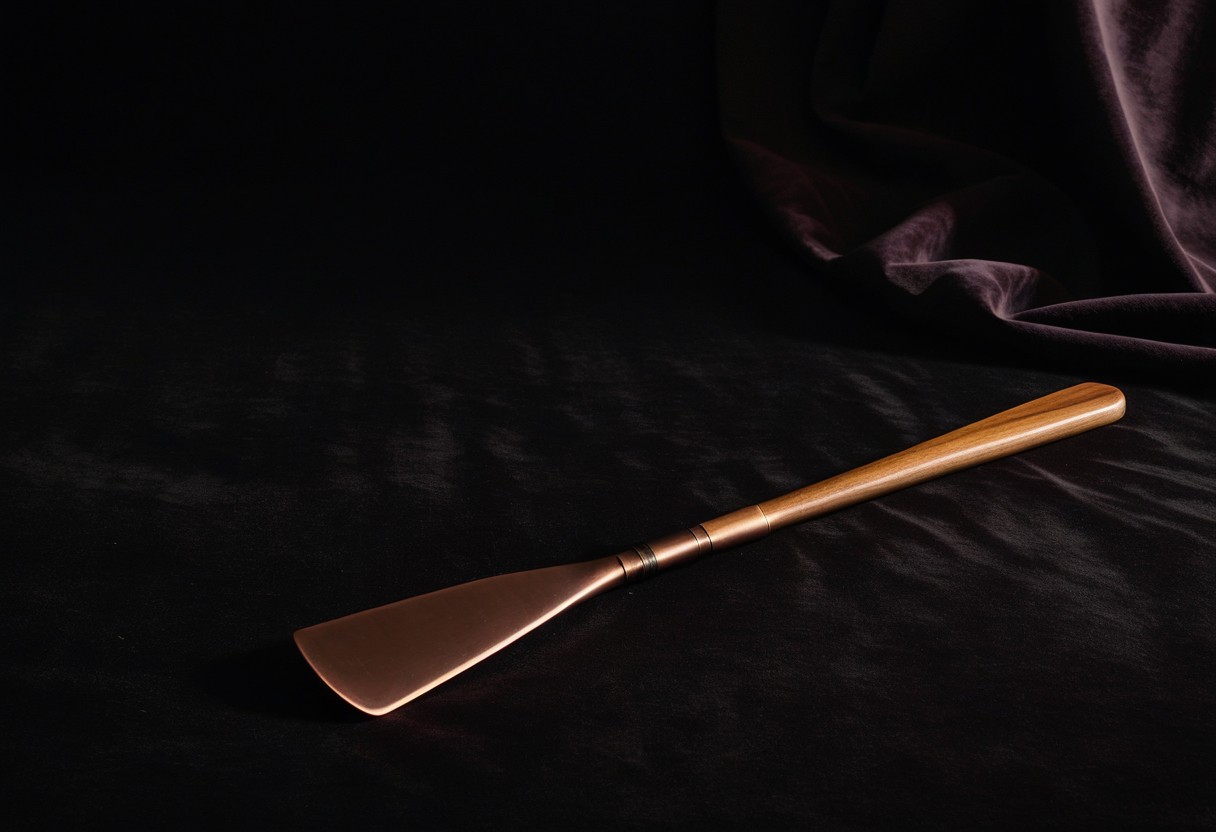
Paddling uses a paddle — a flat, rigid implement often made of wood, leather, silicone, or acrylic — to strike a partner's body. The wide surface spreads force over a larger area than a cane or crop, producing a sensation many describe as 'thuddy' (deep and pushing) rather than 'stingy' (sharp and surface-level), though harder woods and lighter, holed paddles can add sting.
It falls under impact play and pain play, and is closely related to spanking. Some people enjoy it for the physical sensation and endorphin release, others for the psychological dynamic of receiving or giving discipline, and many for both. Paddling is a common feature of role-based scenes and D/s dynamics, but it can also be purely sensory and playful.
Common forms
Paddles vary widely in material, size, and thickness, and each changes the feel of a strike. Sensation ranges from gentle rhythmic warm-up to firm, weighty impact.
- Leather paddles: softer, thuddier impact, often forgiving for beginners.
- Wooden and acrylic paddles: firmer, heavier, and more intense; require greater control.
- Holed or perforated paddles: reduce air resistance and add a sharper sting.
- Silicone paddles: flexible with a distinctive bite; easy to clean.
- Themed or scene-based paddling within discipline, roleplay, or D/s dynamics.
Consent & safety
Paddling is considered standard-risk but is not risk-free. Strikes should land on well-padded areas — the buttocks and, with care, the upper thighs — and avoid bones, joints, kidneys, the lower spine, and the tailbone. Impact over the kidney region can cause serious internal injury, so accurate targeting matters.
Negotiate beforehand: discuss intensity, limits, marks, injuries, and medications that affect bruising. Agree on a safeword or the traffic-light system, and check in regularly. Warming up gradually helps the body tolerate more sensation and reduces injury risk. Start light, build slowly, and watch for signs of numbness, broken skin, or distress.
- Aim only for fleshy, padded areas; protect the spine, tailbone, and kidneys.
- Establish a safeword or traffic-light check-in system before starting.
- Build intensity gradually with a proper warm-up.
- Watch for broken skin, excessive bruising, numbness, or emotional overwhelm.
- Plan aftercare and monitor for subdrop or topdrop afterward.
- Clean shared paddles between partners with appropriate toy-sanitization.
Exploring it responsibly
Beginners benefit from starting with softer implements, lighter force, and clear communication before working up to heavier paddles. Watching demonstrations from experienced practitioners, attending workshops or munches, and asking questions in reputable communities can build confidence and targeting skill.
Both the person giving and receiving impact deserve care. Discuss desired outcomes — sensation, discipline, catharsis, connection — so the scene matches everyone's intentions. Aftercare, whether physical comfort or emotional reassurance, helps both partners land safely after intense play.
Frequently asked questions
How is paddling different from spanking?
Spanking usually refers to using an open hand, while paddling uses a rigid implement. Paddles deliver more force over a broader area and tend to feel thuddier, and their firmness means targeting and control matter more.
Where is it safe to paddle someone?
The buttocks are the primary safe target, with the upper thighs an option with care. Avoid the lower back, kidneys, tailbone, spine, and any bones or joints, as impact there can cause serious injury.
Does paddling always leave bruises?
Not necessarily. Lighter play may cause only temporary redness, while harder impact can bruise. Bruising varies by person, medication, and intensity, so discuss mark tolerance during negotiation.
Is paddling good for beginners?
Yes, with care. Starting with a softer paddle, light force, a solid warm-up, and clear communication makes it one of the more accessible forms of impact play.
Make an image of Paddling
Describe the scene, we turn it into a photoreal image. Yours to keep, post, or share.
Curious how Paddling fits you?
Take the free Kink Test — scored across 35 archetypes with an inclusive, consent-first lens. No login, no email. Just answer honestly and see where you land.
18+ only. Private by default.
Explore Paddling with people who get it.
SafeHaven is a private, consent-first kink & BDSM social network. Founding members get free lifetime membership — before paid tiers ever land. Come as you are, stay forever.
100 founding seats — free lifetime membership
18+ only. No passwords, ever.