
Urethral Sounding
Also called sounding.
Urethral sounding is an advanced practice in which a smooth, medical-grade rod (a 'sound') is gently inserted into the urethra for sensation. Because the urethra is delicate and connects directly to the bladder and, in some anatomies, the reproductive tract, sounding carries real risks of infection, bleeding, and tissue injury, and demands sterile technique, careful anatomical knowledge, and hands-on learning from experienced practitioners.
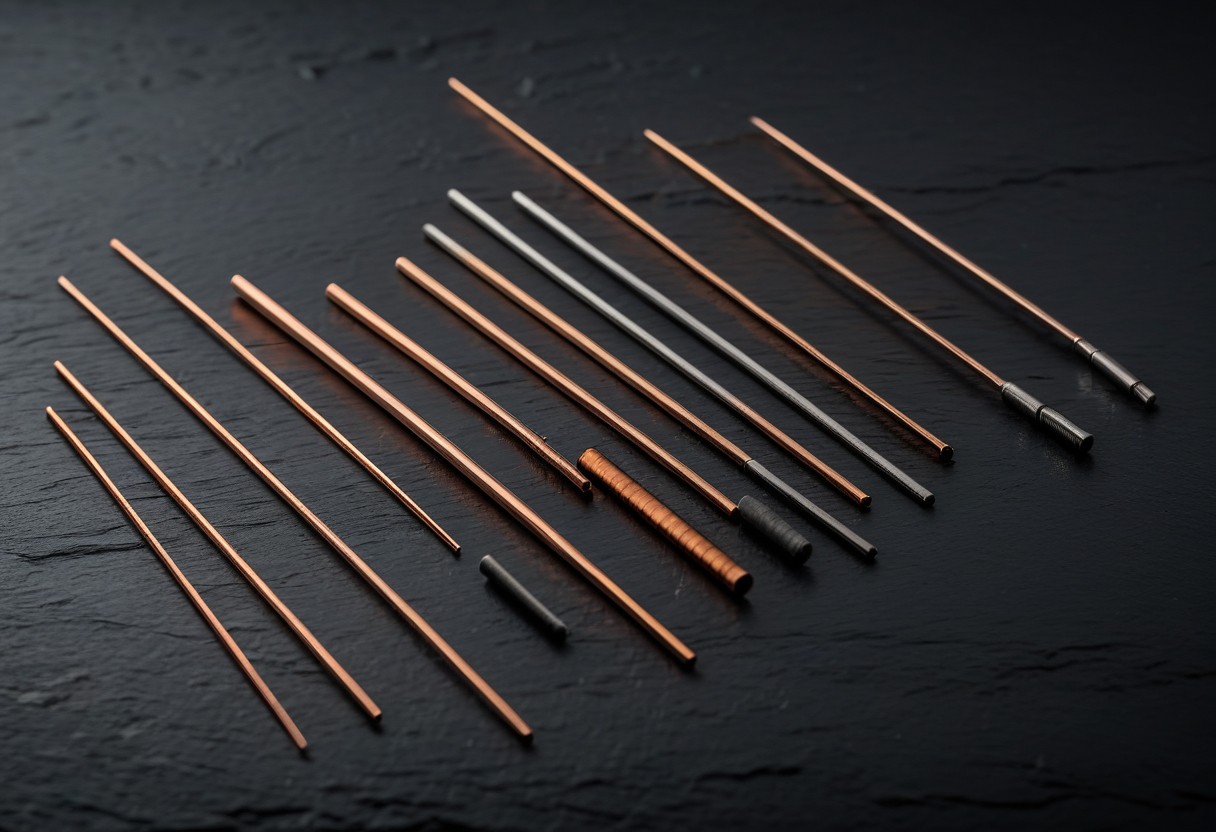
What it is
Urethral sounding involves inserting a purpose-made instrument—traditionally called a 'sound' in medicine—into the urethra, the tube that carries urine out of the body. Practitioners are typically drawn to the intense, unusual sensations and the sense of vulnerability and intimacy the practice creates. It sits within sensation play and medical-play interests but is considered edge play because the urethra is a sensitive, easily injured passage with a direct route to the bladder.
Sounds are made of highly polished stainless steel or silicone and come in graduated diameters. Unlike improvised objects, dedicated body-safe instruments have rounded, smooth ends designed to reduce trauma. Even so, sounding is never casual: it requires knowledge of anatomy, strict hygiene, and slow, attentive practice.
Common forms
People explore sounding in several styles depending on comfort, experience, and the sensations they seek. Approaches vary widely, and beginners are encouraged to start conservatively—if at all—with the smallest diameters and shortest sessions.
- Straight sounds (such as Rosebud or Dittel styles) — simple graduated rods used for gentle insertion.
- Curved sounds (such as Van Buren styles) — shaped to follow anatomy, generally considered more advanced.
- Penis plugs — shorter insertable toys, sometimes worn for a period rather than moved.
- Electro-stimulation sounds — specialized items combining sounding with electro-play, adding layers of risk.
Consent & safety
Sounding carries meaningful risk: urinary tract infection, bleeding, urethral irritation or tearing, and—rarely—more serious injury requiring medical care. The single most important safeguard is sterility, alongside adequate sterile lubrication, appropriate sizing, and never forcing an instrument. This entry describes what sounding is and its risks; it is not a how-to, because incorrect technique can cause lasting harm. Skills must be learned in person from experienced practitioners and reputable resources.
Negotiate thoroughly beforehand: discuss health history, allergies, limits, and a clear plan for stopping. Because a receiver's ability to speak may be limited, agree on a safeword or non-verbal signal, and know when to seek medical help—for example, ongoing bleeding, difficulty urinating, or signs of infection warrant prompt professional care.
- Use only sterile, body-safe instruments and sterile lubricant intended for the purpose; never improvise objects.
- Follow rigorous hygiene: sanitized hands, gloves, and thorough toy sterilization between uses.
- Go slowly, use no force, and stop at any resistance, pain, or bleeding.
- Watch for infection afterward and have a plan to access medical care without shame.
- Avoid combining with alcohol or drugs that impair judgment and sensation.
Exploring it responsibly
If you're curious, prioritize education before experimentation. Seek out demonstrations, workshops, and mentorship from experienced practitioners, and read reputable harm-reduction material rather than relying on casual online advice. Many people spend considerable time learning anatomy and sterile technique before ever attempting a scene.
Frameworks like RACK and informed risk assessment are especially relevant here: everyone involved should understand the specific risks, consent freely, and take shared responsibility. Aftercare matters too—checking in physically and emotionally, monitoring for infection over the following days, and debriefing about what felt good or concerning.
Frequently asked questions
Is urethral sounding safe?
It is inherently higher-risk than many kinks because of infection and injury potential. With sterile technique, proper instruments, correct sizing, and experienced guidance, risk can be reduced—but never eliminated.
Can any anatomy try sounding?
Sounding is practiced across different genital anatomies, though instruments and depth differ. Anyone exploring should learn anatomy-specific safety information from qualified sources.
What should I do if there's bleeding or pain afterward?
Minor irritation can occur, but persistent bleeding, pain, difficulty urinating, fever, or signs of infection warrant prompt medical attention. Seek care without embarrassment—accurate information helps clinicians help you.
Do I need special equipment?
Yes. Only sterile, purpose-made body-safe sounds and sterile lubricant should be used. Improvised objects dramatically increase the risk of injury and infection.
Make an image of Urethral Sounding
Describe the scene, we turn it into a photoreal image. Yours to keep, post, or share.
Curious how Urethral Sounding fits you?
Take the free Kink Test — scored across 35 archetypes with an inclusive, consent-first lens. No login, no email. Just answer honestly and see where you land.
18+ only. Private by default.
Related terms
Explore Urethral Sounding with people who get it.
SafeHaven is a private, consent-first kink & BDSM social network. Founding members get free lifetime membership — before paid tiers ever land. Come as you are, stay forever.
100 founding seats — free lifetime membership
18+ only. No passwords, ever.