
Toy Sanitization
Also called toy cleaning.
Toy sanitization is the practice of properly cleaning, disinfecting, or barrier-covering toys and implements between uses and between partners to prevent the transmission of bacteria, viruses, and fungi. Because different materials require different care, and because some infections can pass through shared toys, sanitization is a core hygiene skill that protects everyone involved.
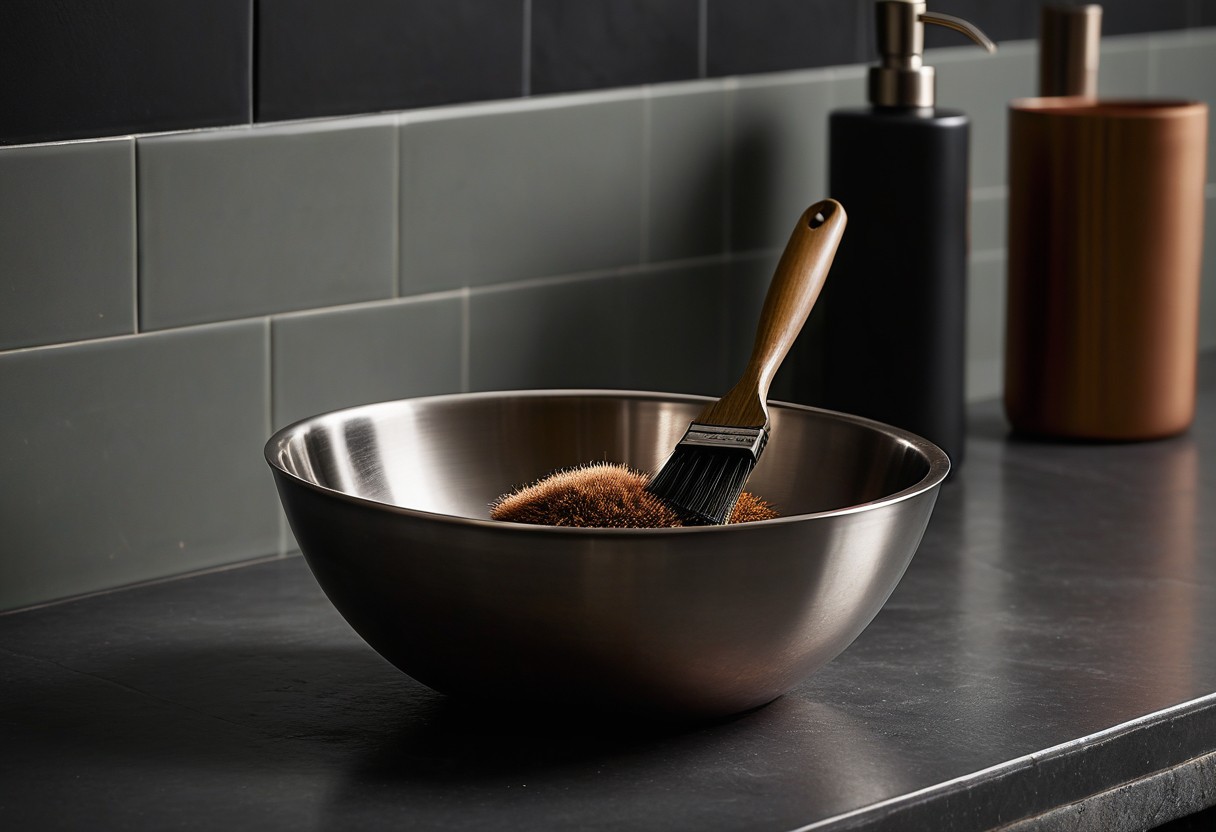
What it is
Toy sanitization covers the range of methods used to make toys and gear safe to reuse — from simple washing to full disinfection or sterilization, or using a fresh barrier (like a condom over an insertable toy). The right method depends on the toy's material, whether it is shared between people, and whether it contacts mucous membranes, broken skin, or blood.
The goal is to interrupt cross-contamination. Shared toys can transmit bacterial and yeast infections, and some sexually transmitted infections, so cleaning is not just about tidiness — it is a health measure that matters especially when toys are used with more than one person or move between body areas.
Common forms
Not all cleaning is equal. 'Cleaning' removes visible debris; 'disinfecting' kills most pathogens; 'sterilizing' eliminates virtually all of them. Non-porous, body-safe materials are far easier to truly sanitize than porous ones, which can harbor microbes no matter how you wash them.
- Washing with warm water and mild, unscented soap — the baseline for most toys after use.
- Barrier methods — condoms on insertable toys, changed between partners or between body areas.
- Disinfecting non-porous toys (silicone, glass, stainless steel, hard plastic) per manufacturer guidance; some silicone/steel/glass can tolerate boiling or dishwasher sanitizing when they contain no electronics.
- Special care for porous materials (jelly rubber, TPE, some leather and rope) that cannot be fully disinfected and are best treated as single-person items.
- Wiping down electronic toys and hard implements (paddles, canes) with appropriate cleaners, avoiding water damage to motors.
Consent & safety
Hygiene is part of consent: partners deserve to know how gear is cleaned and whether an item has been shared. Being open about your sanitization routine — and asking about others' — is a normal, respectful part of negotiation.
Follow the manufacturer's instructions, since heat, harsh chemicals, or improper methods can damage toys and create rough surfaces or cracks where bacteria hide. When in doubt about a porous or blood-contacting item, retire it or dedicate it to one person.
- Never share porous toys or anything that has contacted blood without a fresh barrier — and ideally not at all.
- Use a new barrier when moving a toy between people or between anal and vaginal contact to prevent introducing bacteria.
- Prioritize body-safe, non-porous materials for anything shared or insertable.
- Store toys clean and dry; damp storage encourages mold and bacterial growth.
- Anything used in blood play or medical play needs stricter protocols and, for penetrative sharps, single-use disposal — never reuse needles.
Exploring it responsibly
Building a simple, consistent routine makes sanitization effortless: clean toys promptly after use, store them separately by material, and keep barriers on hand. Read the care label for each new item and choose reputable, body-safe products so cleaning is actually effective.
If you play with multiple partners or in community spaces, dedicating certain items to individuals, labeling gear, and being transparent about your methods keeps everyone safer. When you're unsure how to disinfect a specialty item, consult the maker or knowledgeable community resources rather than guessing.
Frequently asked questions
Can I just wash a toy with soap and water?
For solo use on non-broken skin, warm water and mild soap is often enough for non-porous toys. For shared use, mucous-membrane contact, or porous materials, you need disinfection or a fresh barrier instead.
Why are porous toys a problem?
Porous materials like jelly rubber and TPE have microscopic pores that trap bacteria and fluids and cannot be fully disinfected. They are best treated as single-person items and replaced periodically.
How do I share a toy safely with a partner?
Use a fresh condom or barrier on the toy and change it between people and between body areas, or clean non-porous toys thoroughly between uses. Discuss hygiene openly as part of negotiation.
Can I boil or use the dishwasher to sterilize toys?
Only some 100% silicone, glass, or stainless steel toys with no electronics can tolerate boiling or a dishwasher sanitize cycle. Always check the manufacturer's guidance first, as heat can ruin many toys.
Make an image of Toy Sanitization
Describe the scene, we turn it into a photoreal image. Yours to keep, post, or share.
Curious how Toy Sanitization fits you?
Take the free Kink Test — scored across 35 archetypes with an inclusive, consent-first lens. No login, no email. Just answer honestly and see where you land.
18+ only. Private by default.
Related terms
Explore Toy Sanitization with people who get it.
SafeHaven is a private, consent-first kink & BDSM social network. Founding members get free lifetime membership — before paid tiers ever land. Come as you are, stay forever.
100 founding seats — free lifetime membership
18+ only. No passwords, ever.