Uniform Fetish
Uniform fetish is an erotic or psychological attraction to specific uniforms — such as military, police, medical, service, or academic dress — and to the authority, discipline, competence, or aesthetic they represent. It is a common and widely accepted interest that often overlaps with power-exchange roleplay and appreciation of a garment's look, texture, and symbolism.
What it is
A uniform fetish centers arousal or fascination on a recognizable set of clothing associated with a role or institution. The draw may be the visual and tactile qualities of the garment itself, or the ideas the uniform evokes — authority, order, service, protection, competence, or belonging.
For many people the uniform is a shortcut to a fantasy dynamic: putting one on (or seeing a partner in one) instantly establishes a clear role and mood. It sits comfortably alongside dominance and submission, roleplay, and other fetishes tied to specific materials or aesthetics. Importantly, this interest is about consensual play between adults — real institutions and real duty are not part of it.
Common forms
Uniform fetishes vary widely in both the garments involved and how they are used. Some people focus on the object; others build elaborate scenes around a role.
- Attraction to specific dress: military, police, firefighter, medical/nursing, aviation, or service-industry uniforms.
- Roleplay scenes where one partner adopts an authority or service role suggested by the uniform.
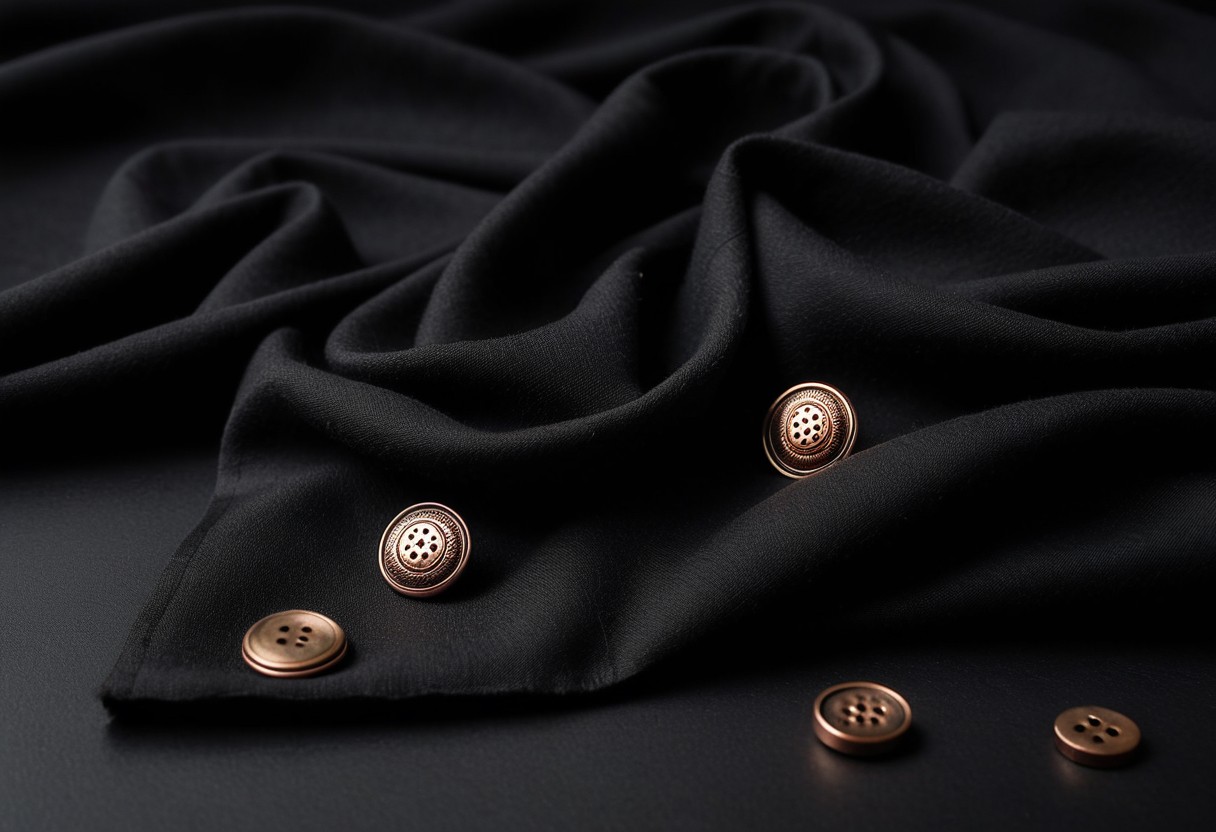
- Appreciation of the garment's construction — polished boots, structured jackets, insignia, gloves, or particular fabrics.
- Overlap with power exchange, protocol, and inspection-style or interrogation-style scenes.
- Uniforms as a costume element that helps someone step into a headspace, rather than any interest in the real profession.
Consent & safety
Uniform play is generally low physical risk, but it carries meaningful social and emotional considerations. Uniforms represent real professions and real authority, so negotiate what the fantasy means to each person and what is off-limits — this keeps the play grounded and respectful.
Be aware of legal and social boundaries. Impersonating certain officials (like police) in public can be illegal in many places, so keep uniform play private and consensual. Discuss triggers, too: someone with a difficult history around a profession, hierarchy, or institution may find certain scenes activating.
- Negotiate the scenario, roles, and any authority dynamics before you begin.
- Set a safeword or use the traffic-light system, especially in intense or interrogation-style play.
- Keep uniform roleplay private; avoid public impersonation of officials, which may be unlawful.
- Check in about emotional triggers tied to real-world institutions or experiences.
- Plan aftercare, particularly after scenes with strong power dynamics or humiliation elements.
Exploring it responsibly
Start by naming what actually appeals to you: the look, the feel of the fabric, the authority dynamic, or a specific fantasy scenario. That clarity makes it far easier to communicate with a partner and to shop for costume pieces that create the right effect.
Costume or replica uniforms are widely available and are the ethical choice for play, avoiding any implication of misrepresenting a genuine service. Build scenes collaboratively, go at a pace that feels good, and treat the uniform as a tool for shared fantasy — reviewing together afterward what worked and what you'd adjust next time.
Frequently asked questions
Is having a uniform fetish common?
Yes. Attraction to uniforms is one of the more frequently reported fetishes, likely because uniforms strongly signal roles, authority, and competence that many people find compelling.
Is it legal to wear a police or military uniform for roleplay?
Owning and wearing replica or costume uniforms privately is generally fine, but impersonating officials in public can be illegal in many jurisdictions. Keep this kind of play private and consensual.
Does a uniform fetish mean I'm attracted to the actual profession?
Not necessarily. Many people are drawn to the aesthetic, symbolism, or fantasy dynamic a uniform evokes rather than the real-world job or the people who perform it.
How do I bring this up with a partner?
Describe what specifically appeals to you — the look, the feel, or the role dynamic — and ask what they're open to. Framing it as a shared costume-and-roleplay idea usually makes negotiation easier.
Make an image of Uniform Fetish
Describe the scene, we turn it into a photoreal image. Yours to keep, post, or share.
Curious how Uniform Fetish fits you?
Take the free Kink Test — scored across 35 archetypes with an inclusive, consent-first lens. No login, no email. Just answer honestly and see where you land.
18+ only. Private by default.
Related terms
Explore Uniform Fetish with people who get it.
SafeHaven is a private, consent-first kink & BDSM social network. Founding members get free lifetime membership — before paid tiers ever land. Come as you are, stay forever.
100 founding seats — free lifetime membership
18+ only. No passwords, ever.