
Leather Fetish
Leather fetish is an erotic and aesthetic attraction to leather clothing and gear — jackets, harnesses, boots, gloves, chaps, and more. It carries deep cultural significance as one of the roots of organized queer and BDSM community, giving rise to what's often called 'Leather culture,' with its own history, traditions, and etiquette.
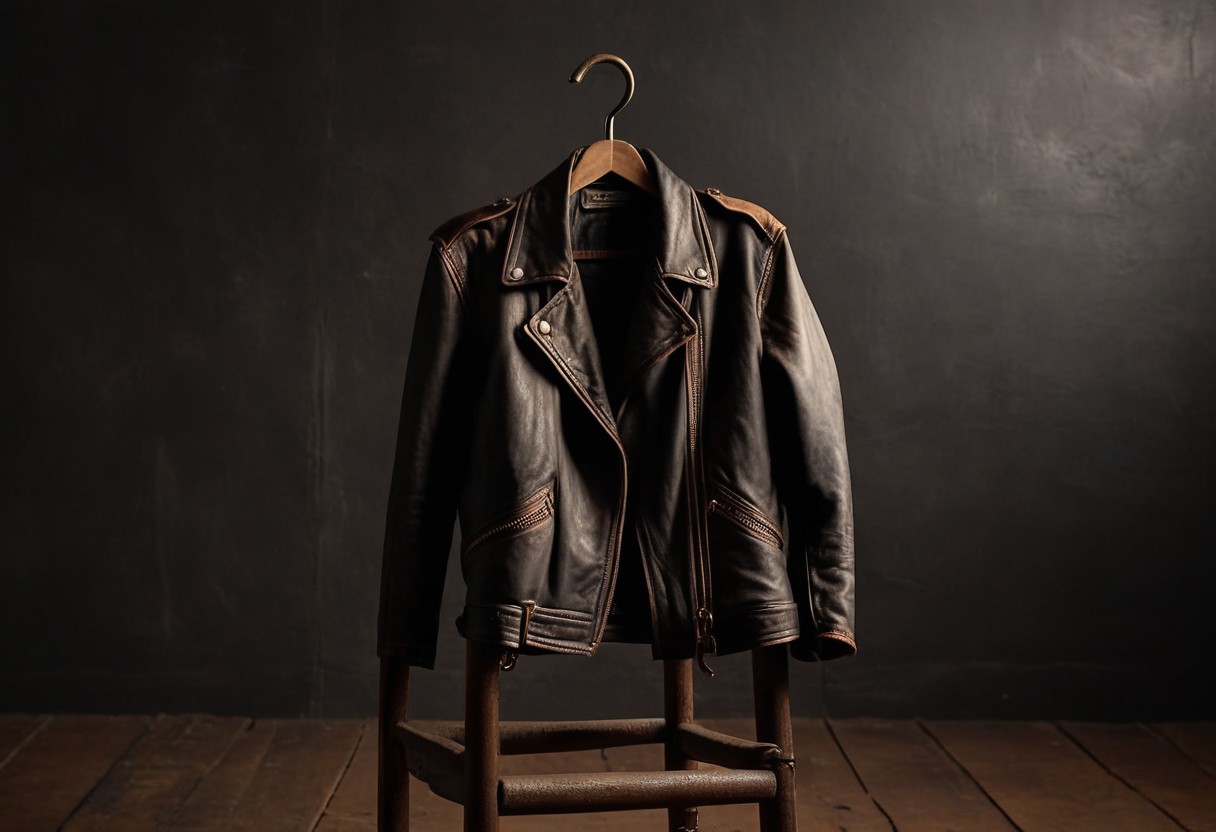
What it is
A leather fetish is a sustained erotic, sensory, or aesthetic response to leather — its look, smell, sound, texture, and the way it feels against skin. For some people the appeal is primarily sensory or visual; for others, leather is tied to identity, dominance and submission dynamics, or a sense of ritual and belonging.
Leather also names a broader culture. Emerging strongly in post-WWII gay motorcycle clubs and later spreading across many orientations and genders, 'the Leather community' helped build some of the earliest organized kink spaces, alongside traditions like protocol, mentorship, and title contests. For many, wearing leather is as much about heritage and community as it is about the fetish itself.
Common forms
Leather interest ranges from a single cherished garment to full head-to-toe gear, and can appear in solo dressing, partnered play, or community events.
- Garments: jackets, vests, chaps, pants, corsets, and full-body suits
- Gear: harnesses, collars, cuffs, gloves, and hoods
- Footwear: boots and heavy leather shoes (often overlapping with boot fetish)
- Sensory play: the smell, creak, and feel of leather as arousal or focus
- Cultural expression: 'Leather families,' clubs, titles, and formal protocol events
Consent & safety
Leather fetish is generally low-risk, but a few practical and interpersonal considerations matter. Any play involving restraint, sensory deprivation (such as hoods), or power exchange should be negotiated in advance, with a clear way to communicate.
Care for both people and materials. Leather is worn near or against skin, so hygiene and fit affect comfort and safety.
- Negotiate any scene beforehand and agree on a safeword or signal, especially with hoods or restrictive gear
- Watch for overheating: leather traps heat and limits airflow during extended wear
- Check for straps or fit that restrict circulation or breathing
- Clean and condition leather gear; shared items should be cleaned between users to reduce skin-contact risks
- Respect community etiquette — ask before touching someone's gear at events, and understand that some pieces (like earned titles or covers) carry meaning
Exploring it responsibly
You can begin simply — a single piece that feels good to wear, worn alone or with a partner — and expand from there. Talk with partners about what specifically appeals to you (the look, the smell, the dominance it evokes) so play can be built around it intentionally.
If the cultural side draws you, seek out community gradually. Munches, kink clubs, and Leather events welcome newcomers, and experienced members are often glad to share history and etiquette. Approach traditions with curiosity and respect, and never feel pressured to move faster than you want.
Frequently asked questions
Is a leather fetish the same as being into BDSM?
No. Many people enjoy leather purely for its aesthetic or sensory appeal without any interest in BDSM, while others combine it with power exchange or impact play. They overlap culturally but are distinct.
Do I have to join the 'Leather community' to enjoy leather?
Not at all. You can appreciate leather privately or with partners. The organized Leather community offers history, mentorship, and events for those who want them, but participation is entirely optional.
Is leather gear safe to wear for long periods?
It's generally safe, but leather traps heat and can restrict airflow, so stay hydrated, take breaks, and ensure straps don't compromise circulation or breathing — especially with hoods.
Can leather fetish involve materials other than real leather?
Yes. Some people prefer faux or vegan leather for ethical or budget reasons, and the fetish often overlaps with latex or rubber interests, though each material has its own distinct feel and following.
Make an image of Leather Fetish
Describe the scene, we turn it into a photoreal image. Yours to keep, post, or share.
Curious how Leather Fetish fits you?
Take the free Kink Test — scored across 35 archetypes with an inclusive, consent-first lens. No login, no email. Just answer honestly and see where you land.
18+ only. Private by default.
Explore Leather Fetish with people who get it.
SafeHaven is a private, consent-first kink & BDSM social network. Founding members get free lifetime membership — before paid tiers ever land. Come as you are, stay forever.
100 founding seats — free lifetime membership
18+ only. No passwords, ever.