
Rope Jam
A rope jam is an informal, community-driven gathering where rope enthusiasts meet to practice ties, exchange technique, and tie together outside a structured class. It offers a relaxed, peer-learning environment for beginners and experienced practitioners alike, and matters because much of rope bondage skill and culture is transmitted hands-on within community spaces.
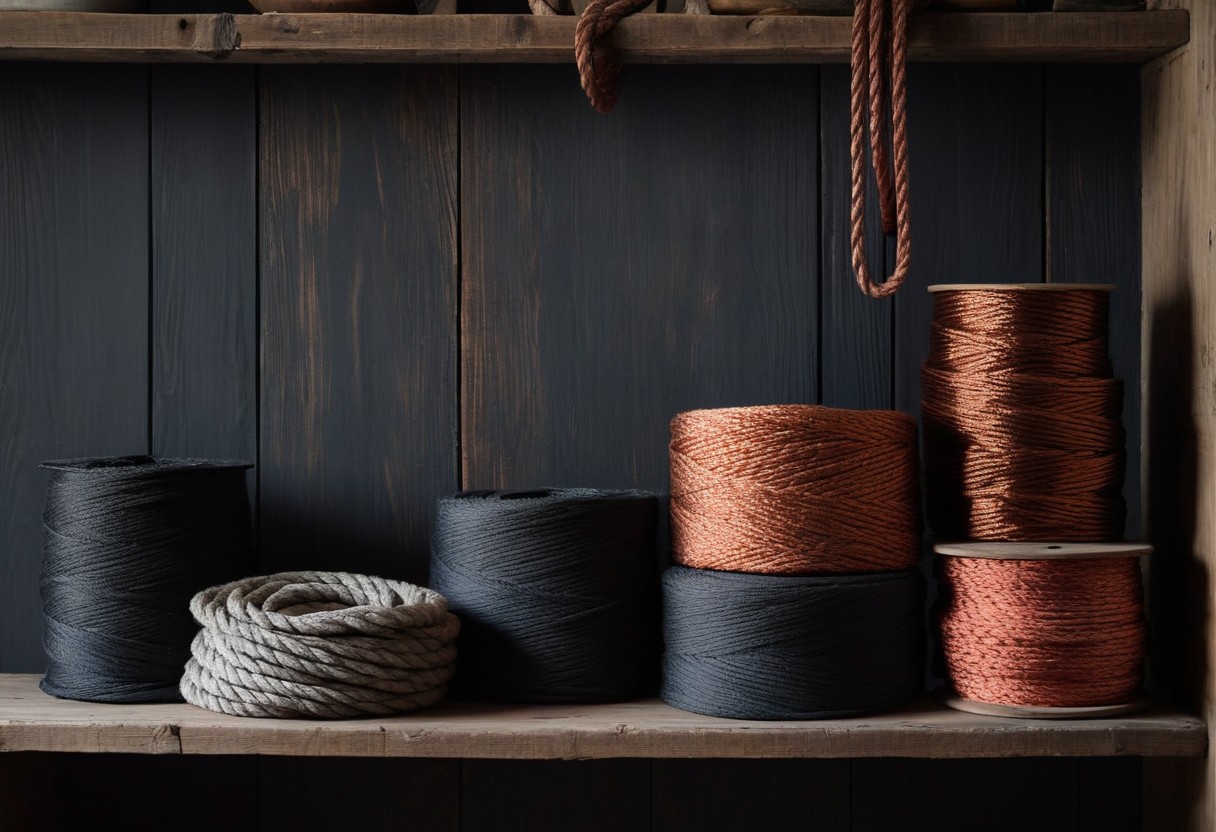
What it is
A rope jam (sometimes called a rope lab or rope share) is a casual meetup organized by a local kink or rope community where people gather to practice rope bondage together. Unlike a formal class with a fixed curriculum and instructor, a jam is largely self-directed: participants work on whatever they want, ask questions, watch others, and swap ideas.
Jams range from small living-room gatherings to regular events hosted at kink clubs or studios. They typically welcome a mix of experience levels, and a big part of their value is social — meeting other rope people, finding practice partners, and building the trust and reputation that healthy communities run on.
Common forms
The format varies by host and venue, but most jams share a relaxed, peer-to-peer feel with light structure to keep things safe and welcoming.
- Open practice jams — free-form floor time where anyone can tie or be tied.
- Skill-share jams — attendees informally teach each other a specific tie or concept.
- Beginner-friendly or newcomer nights aimed at people learning the basics.
- Ground-work-only jams, common where suspension is not permitted or not appropriate for the space.
- Themed or focused jams centered on a style such as kinbaku, decorative harnesses, or self-tying.
Consent & safety
Rope bondage carries real physical risk, including nerve compression, circulation issues, joint strain, and — with suspension — falls. A jam is a place to build skill under the eyes of more experienced peers, not a place to attempt techniques beyond your training. Suspension and other advanced work should only be learned hands-on from experienced practitioners, and many jams restrict or prohibit it for safety and liability reasons.
Consent norms apply fully even in a casual setting. Ask before touching anyone, their rope, or their belongings; negotiate clearly with any partner before tying; and respect that watching is not consent to participate.
- Negotiate limits, injuries, and goals before you tie, even for a quick practice.
- Have safety shears within reach and know how to release ties quickly.
- Check in on circulation and nerves throughout; stop at numbness, tingling, or sharp pain.
- Follow the host's rules and any dungeon monitor's guidance, especially around suspension.
- Ask consent before photographing, and respect others' privacy and anonymity.
Exploring it responsibly
If you're new, look for jams advertised as beginner-friendly through local munches, kink clubs, or rope community pages. Arrive without pressure to perform or find a partner — observing and asking questions is completely valid, and many people spend their first jams simply watching and talking. Bring your own rope if you have it, and come sober and rested.
Vet events and organizers the way you would any kink space: ask about house rules, consent policies, and how issues are handled. A good jam prioritizes safety, welcomes questions, and makes space for people to learn at their own pace.
Frequently asked questions
Do I need a partner to attend a rope jam?
No. Many people come alone to learn, practice self-tying, observe, or meet potential practice partners. It's fine to attend without tying at all.
Is a rope jam the same as a rope class?
Not quite. A class has a teacher and set curriculum, while a jam is informal, self-directed peer practice — though skill-sharing often happens naturally between attendees.
Can I do suspension at a rope jam?
Only if the venue allows it and you're properly trained. Many jams limit or ban suspension for safety and liability reasons, so always check the house rules first.
Is a rope jam sexual?
Usually not. Most jams focus on rope technique and community, and many are explicitly non-sexual spaces. Any intimate activity depends on the venue's rules and clear negotiation between partners.
Make an image of Rope Jam
Describe the scene, we turn it into a photoreal image. Yours to keep, post, or share.
Curious how Rope Jam fits you?
Take the free Kink Test — scored across 35 archetypes with an inclusive, consent-first lens. No login, no email. Just answer honestly and see where you land.
18+ only. Private by default.
Explore Rope Jam with people who get it.
SafeHaven is a private, consent-first kink & BDSM social network. Founding members get free lifetime membership — before paid tiers ever land. Come as you are, stay forever.
100 founding seats — free lifetime membership
18+ only. No passwords, ever.