Puppy Play
Also called human pup.
Puppy play is a form of pet play in which a person embodies canine mannerisms, headspace, and gear to explore playfulness, connection, and sometimes power exchange. It is a well-established part of kink culture with its own vibrant community, events, and identity, and can be practiced sexually or entirely non-sexually.
What it is
Puppy play (sometimes called 'human pup' play) is a roleplay practice where a participant adopts the persona, body language, and mindset of a dog or puppy. This can include crawling, playful energy, non-verbal communication, and a relaxed 'pup headspace' that many describe as freeing, present, and joyful.
Roles vary. A 'pup' embodies the canine persona, while a 'handler' or 'owner' may guide, care for, and play with them. Some dynamics involve dominance and submission or power exchange; others are purely about companionship, stress relief, and letting go of adult self-consciousness. Puppy play may be part of someone's sex life or an entirely non-sexual expression of identity and community belonging.
Common forms
Puppy play is highly personal and ranges from casual, gear-free play to detailed roleplay with dedicated equipment and social gatherings. It has grown into a recognizable subculture with its own conventions, mosh-style 'pup moshes,' and online spaces.
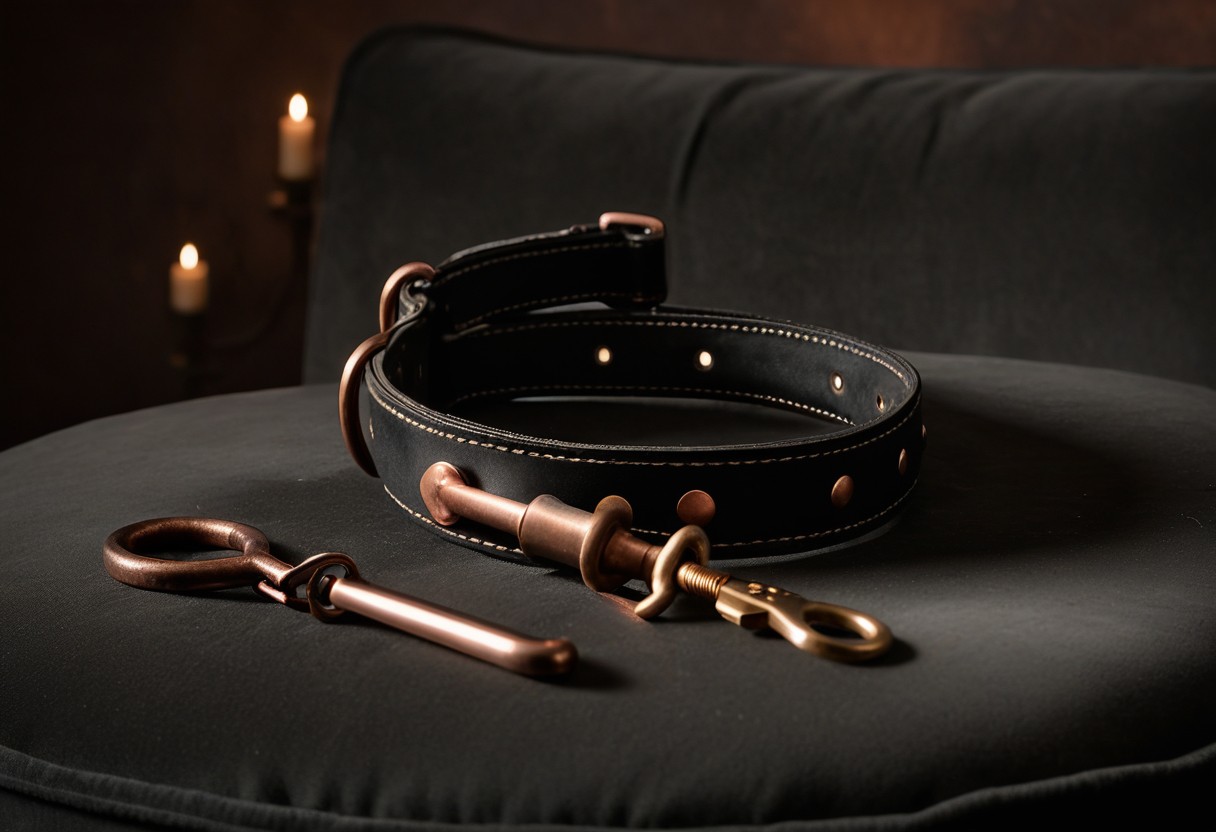
- Gear-based play: neoprene or leather hoods, mitts, tails, collars, knee pads, and harnesses that support the persona.
- Behavioral play: nonverbal barks or whines, fetch, tug, nuzzling, and expressing emotion through body language.
- Handler/pup dynamics: a caretaking or authority relationship, sometimes ongoing, sometimes scene-based.
- Pack play: group settings where multiple pups socialize and play together, often at munches or events.
- Non-sexual identity: many people identify strongly as pups outside of any sexual context.
Consent & safety
As with any kink, puppy play depends on clear negotiation, ongoing consent, and mutual respect. Discuss goals, roles, limits, and whether the play is sexual before you begin, and agree on how to communicate once someone is in a non-verbal headspace.
Physical safety matters because pups often move on hands and knees and may wear restrictive gear. Hoods that limit vision, breathing, or hearing raise real risks and require attentive monitoring.
- Agree on a safeword or a non-verbal signal (a tug, tap, or dropping an object) since pups may not speak.
- Protect joints with knee and wrist padding; watch for overheating, especially in hoods and neoprene.
- Never leave a hooded or gagged pup unattended; confirm airflow and easy removal.
- Clean and sanitize shared gear; use body-safe materials.
- Plan aftercare — re-entering 'human' headspace can bring emotional dropoff for pup or handler.
Exploring it responsibly
Beginners can start with no gear at all, simply exploring headspace and playful body language with a trusted partner or on their own. Many people find the puppy community welcoming; munches, conventions, and local pup groups are good places to learn from experienced practitioners and ask questions in a low-pressure setting.
Go slowly, invest in gear gradually, and prioritize communication over performance. There is no single 'right' way to be a pup — the practice is meant to be joyful, authentic, and grounded in consent.
Frequently asked questions
Is puppy play always sexual?
No. For many people it is entirely non-sexual — a way to relax, connect, and embody a playful headspace. Whether it is sexual is up to the individuals involved and should be negotiated in advance.
Do I need special gear to try puppy play?
Not at all. You can explore the mindset and mannerisms with no equipment. Gear like hoods, tails, and mitts can enhance immersion later, but it is optional and best acquired gradually.
What's the difference between a pup and a handler?
A pup embodies the canine persona, while a handler cares for, guides, or plays with the pup. Some people prefer one role, and others switch depending on the partner or scene.
How do I communicate if the pup can't talk?
Agree on non-verbal safe signals beforehand, such as a specific gesture, dropping a held object, or a tap pattern. Handlers should check in frequently and watch body language closely.
Make an image of Puppy Play
Describe the scene, we turn it into a photoreal image. Yours to keep, post, or share.
Curious how Puppy Play fits you?
Take the free Kink Test — scored across 35 archetypes with an inclusive, consent-first lens. No login, no email. Just answer honestly and see where you land.
18+ only. Private by default.
Explore Puppy Play with people who get it.
SafeHaven is a private, consent-first kink & BDSM social network. Founding members get free lifetime membership — before paid tiers ever land. Come as you are, stay forever.
100 founding seats — free lifetime membership
18+ only. No passwords, ever.