Pony Play
Pony play is a form of roleplay in which one or more consenting adults take on the mannerisms, movements, and presentation of a horse, often using tack such as bridles, bits, harnesses, and tails. It blends animal-inspired embodiment with training, performance, and a caretaker or handler dynamic, and can be athletic, aesthetic, and deeply immersive without necessarily being sexual.
What it is
Pony play is a subset of animal roleplay (part of the broader family that includes pet play) in which a participant embodies an idealized horse rather than mimicking a real one literally. The 'pony' expresses horse-like qualities — proud posture, expressive movement, silence or non-verbal communication, and responsiveness to a handler — while the human wearing the role remains a consenting adult throughout.
The appeal varies widely. Some people are drawn to the discipline and precision of 'training'; others love the aesthetic of tack and gear; still others value the psychological release of setting aside speech and human responsibility to simply move, respond, and be cared for. It can be sensual, romantic, athletic, meditative, or purely playful, and it is not inherently sexual.
Common forms
Pony play communities often borrow language and roles from equestrian culture. Practitioners frequently identify with a particular 'discipline,' each with its own style, gear, and goals.
- Cart ponies — pulling a sulky or cart, emphasizing strength and stamina.
- Dressage or show ponies — performing precise, elegant gaits and movements.
- Riding ponies — carrying a rider (advanced, with real physical safety considerations).
- Handler/trainer dynamics — a person who guides, rewards, and 'trains' the pony.
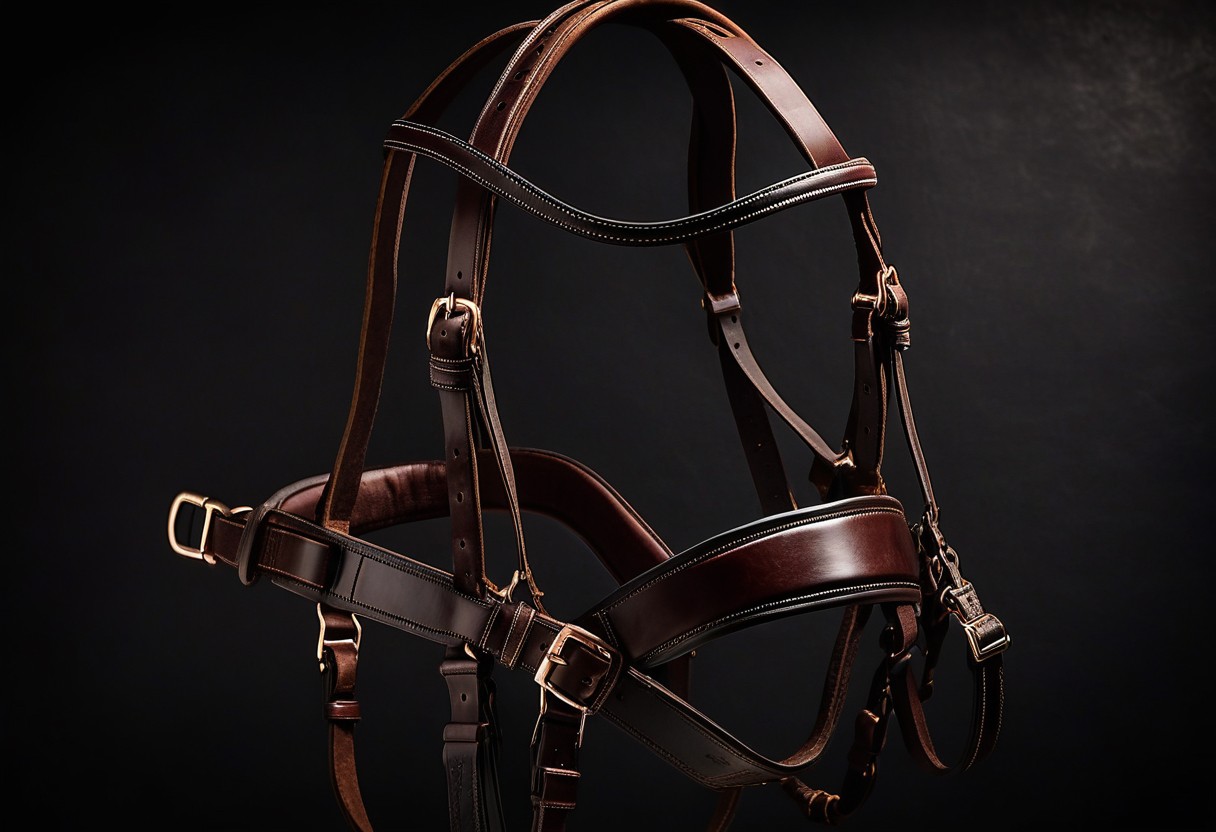
- Gear and tack — bridles, bits, blinders, harnesses, tail plugs or clip-on tails, hoof boots, and posture aids, chosen for fit and body-safe materials.
Consent & safety
Most pony play is standard-risk, but specific elements carry real physical risk and edge into advanced territory. Bits and gags limit speech and can affect the airway; blinders and hoods reduce awareness; riding or bearing weight strains joints and spine; and prolonged posture in boots or restrictive tack can cause circulation or nerve issues. These are learned hands-on from experienced practitioners, not from text.
Because a pony persona may be non-verbal, negotiate clear non-verbal safe signals before you begin — a dropped object, a specific gesture, or a bell. Discuss limits, duration, and any equipment thoroughly beforehand.
- Agree on a non-verbal safeword or signal since speech may be restricted.
- Never leave a gagged, hooded, or restrained pony unattended.
- Watch for overheating, dehydration, and joint or muscle strain during physical work.
- Check gear fit; avoid anything that impairs breathing or cuts off circulation.
- Plan aftercare for both the pony and the handler, including hydration and rest.
Exploring it responsibly
Start with conversation and low-stakes experimentation rather than full gear. Many people begin by exploring headspace and movement, then add tack gradually as trust and skill grow. Community events, munches, and experienced mentors are valuable resources — pony play has active fan communities and gatherings where you can learn safely and find gear guidance.
Approach the more athletic or restrictive elements with the same care you'd bring to any physical activity: warm up, know your body's limits, and build up slowly. Consent, honest negotiation, and attentive aftercare turn an ambitious scene into a sustainable, rewarding practice.
Frequently asked questions
Is pony play sexual?
Not necessarily. For many people it centers on embodiment, discipline, aesthetics, or performance, and can be entirely non-sexual; others incorporate sensuality. Both are valid between consenting adults.
How is pony play different from puppy play?
Both are animal roleplay, but pony play draws on equestrian culture — upright posture, tack, gaits, and often a formal training or performance framing — while puppy play tends toward playful, affectionate, floor-level dog behavior.
Do I need expensive gear to try it?
No. You can explore headspace, posture, and handler dynamics with little or no equipment. Specialized tack can be added gradually as you learn what you enjoy and how to use it safely.
How does a non-verbal pony use a safeword?
Negotiate a non-verbal signal in advance — such as dropping a held object, a distinct gesture, or a bell — so the pony can always communicate a stop even when a bit or gag limits speech.
Make an image of Pony Play
Describe the scene, we turn it into a photoreal image. Yours to keep, post, or share.
Curious how Pony Play fits you?
Take the free Kink Test — scored across 35 archetypes with an inclusive, consent-first lens. No login, no email. Just answer honestly and see where you land.
18+ only. Private by default.
Explore Pony Play with people who get it.
SafeHaven is a private, consent-first kink & BDSM social network. Founding members get free lifetime membership — before paid tiers ever land. Come as you are, stay forever.
100 founding seats — free lifetime membership
18+ only. No passwords, ever.