
Nipple Clamps
Nipple clamps are small adjustable devices applied to the nipples to create steady pressure and heightened sensation. They range widely in intensity and are a popular, accessible tool in sensation and pain play. Because the nipples are delicate and clamps restrict blood flow, understanding timing, adjustment, and release is central to using them safely.
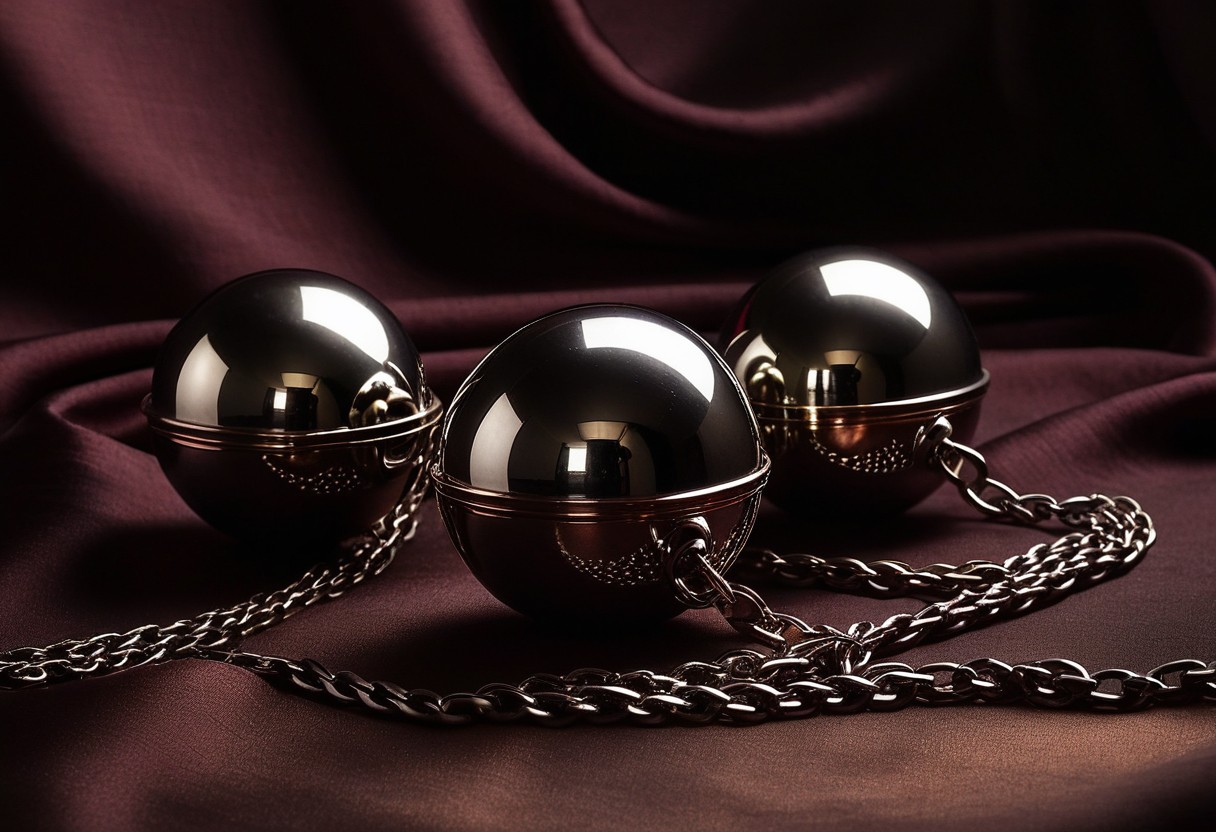
What it is
Nipple clamps are compact clamping devices that pinch and hold the nipple, producing constant pressure and an intensified sensation that many people find pleasurable, stimulating, or intensely intense. They are used across a broad spectrum, from gentle teasing to more demanding pain play, depending on the clamp and how tightly it is set.
Part of their appeal is the contrast between wearing them and removing them: pressure builds while they're on, and removal produces a distinct rush of sensation as blood flow returns. Clamps can be worn briefly or, with care, for a session, and are sometimes paired with other sensation play.
Common forms
Clamps vary by mechanism and adjustability. Adjustable models let users dial in pressure gradually, which makes them friendlier for beginners than fixed-tension designs.
- Alligator or crocodile clamps — often with removable rubber tips to soften the bite.
- Tweezer or 'clover' clamps — clover clamps tighten as tension is applied, making them notably intense.
- Adjustable screw or magnetic clamps — allow fine control over pressure.
- Clamps connected by a chain, cord, or weight, adding pull as an additional sensation.
- Non-clamp alternatives like suckers or rings for those seeking a different feel.
Consent & safety
Clamps reduce blood flow, so the most important safety principle is time: sensation increases while they're on, and the sharpest moment is removal, when blood rushes back. Prolonged wear can cause tissue damage, so limiting duration and checking in matters. Nipple tissue and sensitivity vary greatly between people, and factors like nerve issues or circulatory conditions warrant extra caution.
Negotiate beforehand, agree on a safeword or signal, and start lighter than you think you need. Rubber-tipped or adjustable clamps let you build intensity gradually rather than committing to a fixed pinch.
- Limit wear time; shorter is safer, and watch for numbness or color changes.
- Remove slowly and gently — sudden removal is intense and can be startling or overwhelming.
- Avoid clamping over piercings, broken skin, or irritated tissue.
- Keep a safeword and non-verbal signal available, and check in during wear.
- Clean clamps between uses following toy sanitization practices for body-safe materials.
- Stop if there is sharp pain beyond what was negotiated, or any loss of sensation that concerns you.
Exploring it responsibly
Beginners often do best with adjustable, rubber-tipped clamps, applying them briefly and increasing pressure and time slowly across sessions to learn their own responses. Communication throughout builds trust and helps a partner calibrate.
Because sensation can peak sharply at removal, plan for it, and consider aftercare — warmth, reassurance, and gentle attention to the area. Learning from experienced practitioners, reputable in-person resources, and community demos deepens both skill and confidence.
Frequently asked questions
How long can nipple clamps be worn safely?
There's no universal number, but shorter is safer — often just a few to fifteen minutes for beginners. Watch for numbness or color changes, and remove sooner if anything feels wrong.
Why does removing clamps hurt more than wearing them?
While clamped, blood flow is restricted; when you remove them, blood rushes back into the tissue, producing an intense wave of sensation. Removing slowly can help manage this.
Are nipple clamps safe for people with piercings?
Avoid clamping directly over piercings or on healing tissue, as this can cause injury. If in doubt, wait until piercings are fully healed and place clamps to avoid the jewelry.
What's a good clamp for beginners?
Adjustable clamps with rubber tips are ideal because you control the pressure and can start very gently, building intensity gradually as you learn your responses.
Make an image of Nipple Clamps
Describe the scene, we turn it into a photoreal image. Yours to keep, post, or share.
Curious how Nipple Clamps fits you?
Take the free Kink Test — scored across 35 archetypes with an inclusive, consent-first lens. No login, no email. Just answer honestly and see where you land.
18+ only. Private by default.
Explore Nipple Clamps with people who get it.
SafeHaven is a private, consent-first kink & BDSM social network. Founding members get free lifetime membership — before paid tiers ever land. Come as you are, stay forever.
100 founding seats — free lifetime membership
18+ only. No passwords, ever.