
Corsetry Fetish
Also called tightlacing.
A corsetry fetish is an erotic or sensual interest centered on corsets — the garment's dramatic silhouette, rigid structure, and the distinctive squeezing pressure of tight lacing against the torso. It can involve the visual aesthetic, the psychological experience of restriction and controlled posture, or the intense physical sensation, and it ranges from occasional fashion play to the advanced discipline of tightlacing.
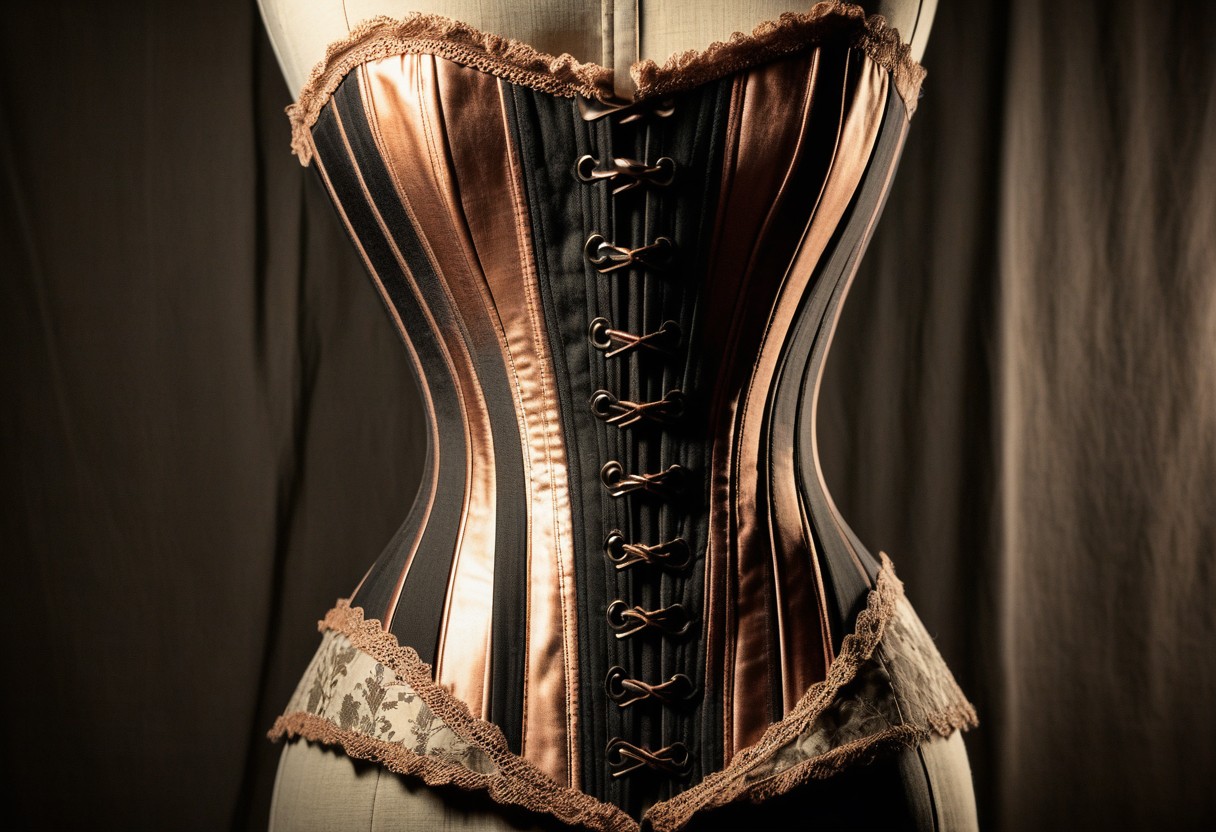
What it is
Corsetry as a fetish covers a spectrum of appeal. For some, the draw is primarily aesthetic — the sculpted waist, the historical or theatrical glamour, and the way a laced garment reshapes the body's outline. For others, the interest is sensory and psychological: the firm, enveloping pressure of a properly fitted corset, the enforced upright posture, and the feeling of being gently but definitively held.
Corsets also carry symbolic weight in kink. The act of being laced by a partner can evoke themes of control, surrender, transformation, and ceremony. Because someone else typically manages the laces, corsetry naturally overlaps with dominance and submission, ritual, and body worship, though it is just as valid as a solo or purely self-directed pleasure.
Common forms
How people engage varies widely, from casual to committed:
- Fashion or occasional wear — enjoying the look and light shaping without extreme reduction.
- Tightlacing — the advanced practice of reducing the waist significantly and, for some, gradually over months or years ("waist training"); this is the edge end of the interest and carries real risks.
- Lacing rituals — a partner slowly tightening the laces as a scene element evoking control, care, or ceremony.
- Bondage crossover — treating the corset as a restrictive garment within a broader restraint or posture-training scene.
- Material and style fetishes — attraction to leather, satin, or specific structural designs such as overbust or underbust corsets.
Consent & safety
A well-fitted corset worn moderately is generally low-risk, but tightlacing sits at the advanced, risk-aware end and deserves genuine caution. Excessive or too-rapid compression can restrict breathing, digestion, and circulation, cause fainting, or bruise ribs — especially in someone new to it or one who laces alone. Corsetry is learned gradually and hands-on, from experienced makers and practitioners, not by copying dramatic images online.
Because a laced garment can be difficult to remove quickly, plan for that before you begin. Negotiate expectations, agree on a way to signal distress, and never treat lightheadedness, numbness, or pain as something to push through.
- Choose a properly sized, well-constructed corset over cheap fashion imitations, and prioritize body-safe materials.
- "Season" a new corset and increase pressure gradually over time — never lace to maximum on day one.
- Keep laces reachable and have a partner or safety plan for rapid loosening or removal.
- Stop immediately for shortness of breath, chest pain, tingling, nausea, or faintness.
- Discuss any heart, respiratory, digestive, or bone conditions with a clinician before serious tightlacing.
Exploring it responsibly
Start gently and let curiosity guide you. Try a quality entry-level corset with modest lacing, notice which part of the experience appeals to you — the visual, the pressure, or the psychological framing — and build from there. If a partner is involved, negotiate roles, comfort limits, and check-ins in advance, and treat lacing sessions with the same attentiveness you would any scene, including aftercare for both people. Reputable corset makers, fitting guides, and tightlacing communities are excellent resources for learning safely and sizing correctly.
Frequently asked questions
Is wearing a corset dangerous?
Moderate wear in a well-fitted corset is generally safe for most healthy adults. Extreme tightlacing carries real risks to breathing, circulation, and internal organs, so it should be approached gradually and with informed guidance.
What's the difference between corsetry and tightlacing?
Corsetry is the broad interest in corsets and their look and feel; tightlacing is the advanced practice of significant, often long-term waist reduction. Tightlacing is the higher-risk edge of the spectrum.
Can this be a solo interest, or does it need a partner?
Both are valid. Many people enjoy corsetry entirely on their own, while others love the ritual and power dynamic of being laced by a partner.
How do I choose my first corset?
Prioritize correct sizing and quality construction from a reputable maker over inexpensive fashion pieces, choose body-safe materials, and consult fitting guides so the garment supports rather than harms you.
Make an image of Corsetry Fetish
Describe the scene, we turn it into a photoreal image. Yours to keep, post, or share.
Curious how Corsetry Fetish fits you?
Take the free Kink Test — scored across 35 archetypes with an inclusive, consent-first lens. No login, no email. Just answer honestly and see where you land.
18+ only. Private by default.
Explore Corsetry Fetish with people who get it.
SafeHaven is a private, consent-first kink & BDSM social network. Founding members get free lifetime membership — before paid tiers ever land. Come as you are, stay forever.
100 founding seats — free lifetime membership
18+ only. No passwords, ever.