
Risk Profile
A risk profile is your personal, honest assessment of which activities you're willing to engage in, based on your health, experience, emotional resilience, and individual risk tolerance. It's a living inventory that helps you negotiate clearly and make informed choices, since no two people share the same limits or comfort with risk.
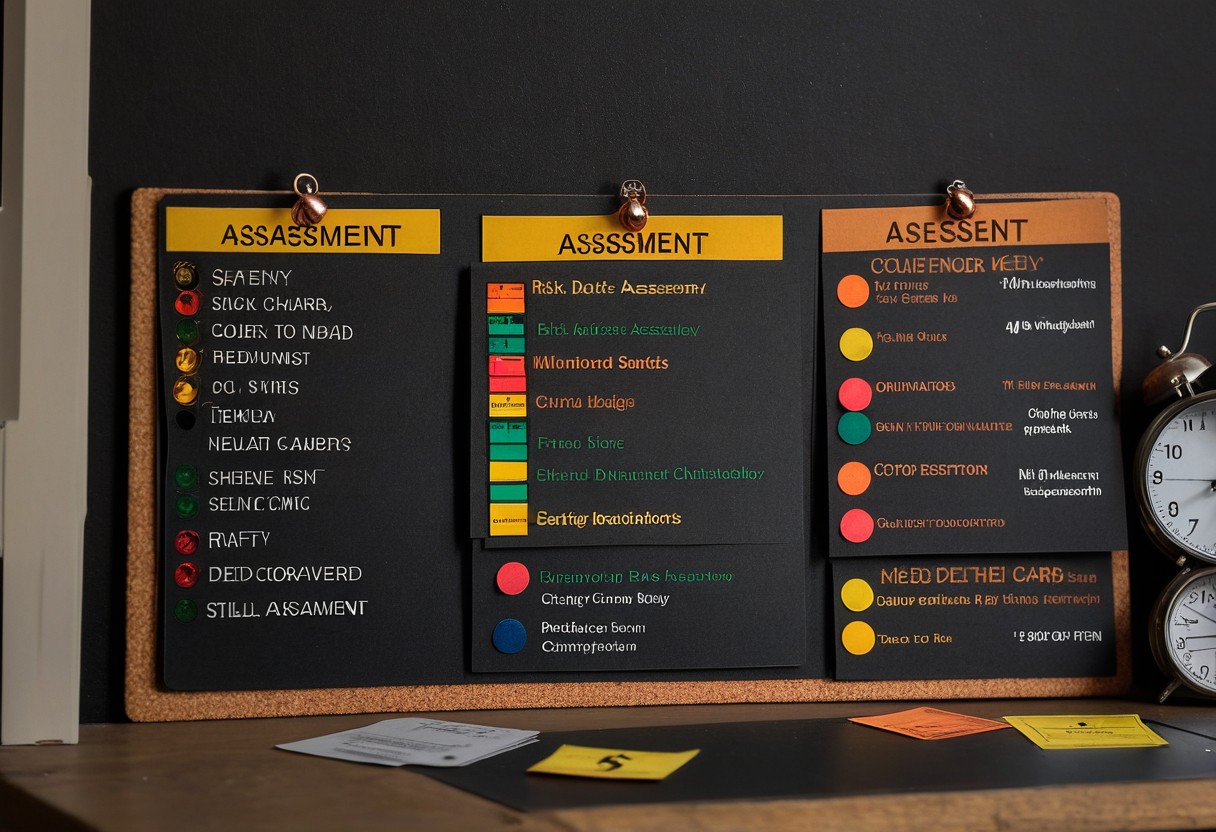
What it is
A risk profile is the set of factors that shape what a given person considers acceptable risk in kink and BDSM. It draws together physical health, mental and emotional history, skill and experience level, and a person's own tolerance for uncertainty. Two people can look at the identical activity and reach entirely different conclusions about whether it's right for them — and both can be correct, because risk is assessed individually.
The concept underpins frameworks like RACK (Risk-Aware Consensual Kink) and PRICK (Personal Responsibility, Informed Consensual Kink), which assume that participants understand and accept the specific risks of what they do. Your risk profile is what you bring to that understanding: it's why 'is this safe?' is less useful than 'is this within my acceptable risk, and my partner's?'
Common forms
A risk profile isn't a formal document (though some people write theirs down). It's the collection of considerations you weigh before agreeing to something. Common inputs include:
- Physical health — joint issues, circulation, cardiac conditions, medications, injuries, allergies, and mobility that affect specific activities
- Mental and emotional history — trauma, triggers, dissociation risk, and current stress or capacity
- Experience and skill — your own and your partner's competence with a given practice
- Risk tolerance — how you feel about low-probability but high-consequence outcomes
- Context factors — whether you're in a public venue with a dungeon monitor, at home, sober, rested, and who you trust
Consent & safety
A risk profile only works when it's honest and shared. Disclosing relevant health conditions, limits, and triggers is part of informed consent — a partner can't meaningfully agree to play if they don't understand your risk picture, and vice versa. Some information is deeply personal; you decide how much to share, but withholding something that materially affects safety undermines everyone's ability to consent.
Risk profiles change. A condition, a medication, poor sleep, a recent emotional event, or simply a bad day can shift what's acceptable today. Edge and advanced practices — such as breath play, needle play, or suspension — carry real, sometimes serious risk and demand a much more conservative profile, hands-on learning, and honest reassessment each time.
- Update your profile as your health, headspace, and experience change
- Disclose safety-relevant information during negotiation, not mid-scene
- Respect that a partner's 'no' based on their profile is final and needs no justification
- Use tools like informed risk assessment, check-ins, and safewords alongside it
Exploring it responsibly
Start by taking honest inventory of your own body, mind, and limits before you negotiate with anyone. Consider what you actually know versus what you assume, and where your comfort with the unknown ends. It can help to write a rough list of hard limits, soft limits, and things you'd consider under specific conditions.
Compare profiles openly during negotiation and look for genuine overlap rather than talking a hesitant partner into a wider comfort zone. When an activity sits at the edge of your knowledge, seek reputable in-person education, mentorship, and community resources before attempting it. A good risk profile is not about fearlessness — it's about knowing yourself well enough to choose deliberately.
Frequently asked questions
Is a risk profile the same as a limits list?
They overlap but aren't identical. A limits list states what you will and won't do; a risk profile explains the underlying health, experience, and tolerance factors that shape those limits and how they might change.
Do I have to tell partners about my health conditions?
You control your privacy, but any condition that materially affects the safety of a planned activity should be disclosed so consent is truly informed. If you're not comfortable sharing something, that may be a sign to decline that activity.
Can two people with very different risk profiles play together?
Yes, but only within the overlap where both are genuinely comfortable. The more cautious person's profile sets the ceiling — you never expand play to match the bolder partner.
How often should I revisit my risk profile?
Treat it as living. Reassess after health changes, new experiences, emotional shifts, or simply before each scene, since factors like sleep, stress, and sobriety can change what's acceptable that day.
Make an image of Risk Profile
Describe the scene, we turn it into a photoreal image. Yours to keep, post, or share.
Curious how Risk Profile fits you?
Take the free Kink Test — scored across 35 archetypes with an inclusive, consent-first lens. No login, no email. Just answer honestly and see where you land.
18+ only. Private by default.
Related terms
Explore Risk Profile with people who get it.
SafeHaven is a private, consent-first kink & BDSM social network. Founding members get free lifetime membership — before paid tiers ever land. Come as you are, stay forever.
100 founding seats — free lifetime membership
18+ only. No passwords, ever.