
Objectification Play
Also called objectification.
Objectification play is a consensual form of psychological roleplay in which one partner is treated as an object or thing—furniture, a tool, a display piece—rather than as a person for the duration of a scene. For those who enjoy it, the appeal lies in the intense surrender of personhood, the trust it requires, and the erotic or meditative headspace it can create for both parties.
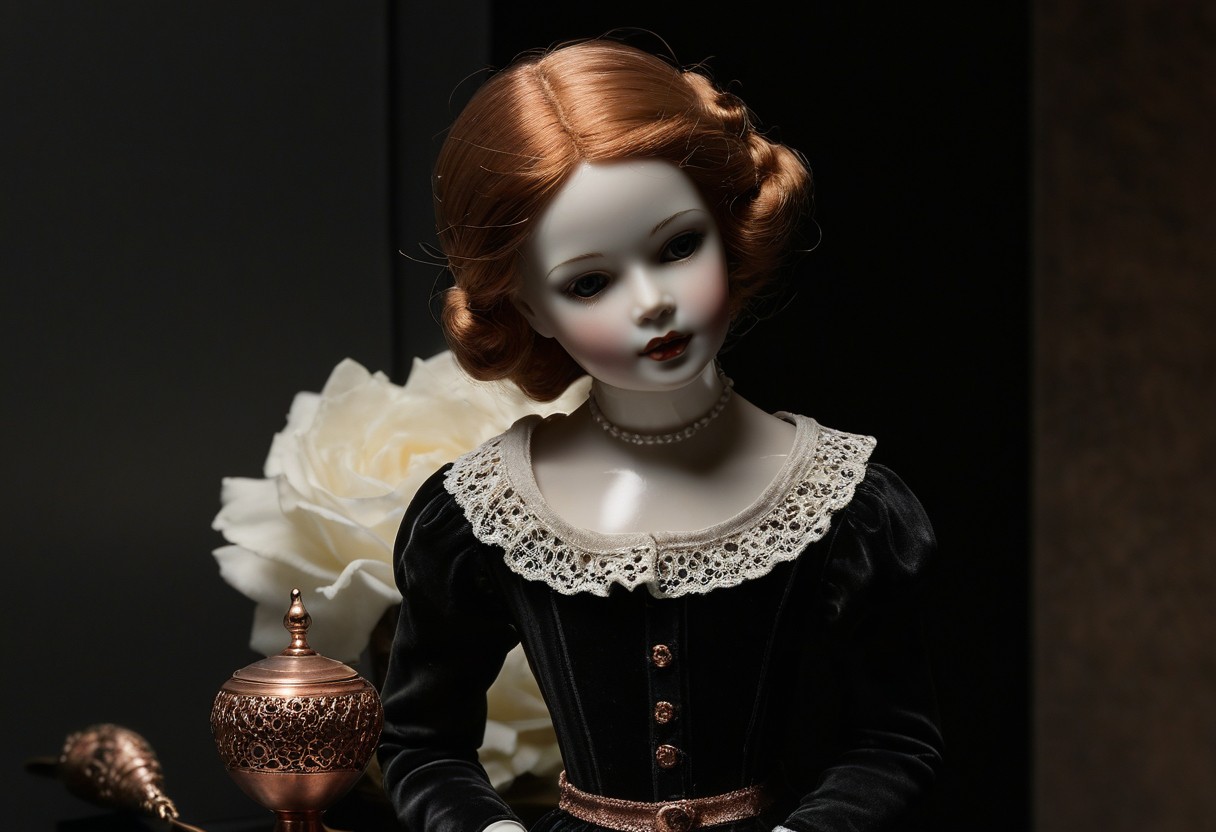
What it is
Objectification play temporarily reframes a person as an object: a piece of furniture, a decoration, a container, a tool, or simply a 'thing' to be used, positioned, or ignored. The dynamic can be verbal (being addressed as 'it' or by an object-name), functional (being asked to hold a role like a footstool or lamp), or aesthetic (being placed on display). It sits within psychological play because its intensity comes from the mental shift rather than from any specific physical act.
People are drawn to it for many reasons: the deep relief of surrendering agency and decision-making, the eroticism of being 'used,' a sense of purpose in being useful, or the quiet, trance-like focus that can come from holding a still, passive role. The person doing the objectifying may enjoy the control, the aesthetic, or the trust being offered. Despite the name, the goal is a shared, consensual experience—not genuine dehumanization.
Common forms
Objectification overlaps with several other kinks and can be layered lightly or taken to an immersive extreme. Common expressions include:
- Furniture play—serving as a footstool, table, chair, or shelf, sometimes for a set duration.
- Being used as a functional 'tool' or holder for objects during a scene.
- Display or 'ornament' scenarios, where the person is posed and admired but not interacted with as a person.
- Verbal objectification—being referred to as 'it,' an object-name, or a numbered item.
- Being deliberately ignored or 'set aside,' treated as part of the room's furnishings.
- Blends with pet play, service dynamics, or degradation—though objectification does not require humiliation to be present.
Consent & safety
Because objectification play strips away the normal signals of personhood, robust negotiation matters even more than usual. Discuss beforehand what 'object' means for each of you, whether speech is allowed, how long the role lasts, and whether the theme carries any humiliation. Being treated as inanimate can be emotionally powerful in unexpected ways, so plan how care and personhood will be restored afterward.
Physical safety is real. Holding still positions strains joints and muscles, restricts circulation, and can be dangerous if combined with restraint, bondage, or weight-bearing. Never treat a living person as if they were structurally an object—furniture roles that bear real weight risk injury.
- Agree on a safeword or non-verbal signal, since speech may be part of the object role.
- Set time limits for stillness; check circulation, temperature, and comfort frequently.
- Negotiate whether humiliation, degradation, or genuine neglect are on or off the table.
- Plan aftercare that intentionally re-affirms the person's humanity and worth.
- Watch for subdrop or unexpected emotional responses in the days afterward.
Exploring it responsibly
Start small and short. A brief scene—being posed on display or asked to hold still as an 'ornament' for a few minutes—teaches you both how the headspace feels without committing to prolonged immersion. Debrief afterward: what worked, what felt heavier than expected, and what you'd adjust. Over time, partners with strong communication and trust can build toward longer or more elaborate scenes. Objectification is psychologically edgy for some, and there's no prize for intensity—consent, comfort, and mutual care remain the measure of a good scene.
Frequently asked questions
Is objectification play degrading or disrespectful?
Not inherently. It can be combined with degradation, but many people experience it as calming, worshipful, or purposeful. The meaning is whatever partners consensually agree it should be.
Why would someone enjoy being treated as an object?
Reasons vary: relief from decision-making and agency, a sense of usefulness, erotic charge from being 'used,' or a quiet, meditative headspace that comes from stillness and surrender.
How do I keep it emotionally safe?
Negotiate the theme in advance, keep a workable safe signal, limit how long you stay in role, and prioritize aftercare that clearly restores the person's sense of humanity and value.
Does objectification play have to be sexual?
No. Some people practice it purely as psychological or aesthetic play with no sexual element, while others weave it into erotic scenes. Both are valid.
Make an image of Objectification Play
Describe the scene, we turn it into a photoreal image. Yours to keep, post, or share.
Curious how Objectification Play fits you?
Take the free Kink Test — scored across 35 archetypes with an inclusive, consent-first lens. No login, no email. Just answer honestly and see where you land.
18+ only. Private by default.
Related terms
Explore Objectification Play with people who get it.
SafeHaven is a private, consent-first kink & BDSM social network. Founding members get free lifetime membership — before paid tiers ever land. Come as you are, stay forever.
100 founding seats — free lifetime membership
18+ only. No passwords, ever.