
Needle Play
Also called play piercing.
Needle play (also called play piercing) is an advanced edge practice in which sterile, single-use needles are temporarily inserted through the surface of the skin for sensation, ritual, or aesthetic effect. Because it breaks the skin, it carries real risks of infection, bloodborne-pathogen exposure, and injury, and it requires medical-grade hygiene, anatomical knowledge, and hands-on training to do responsibly.
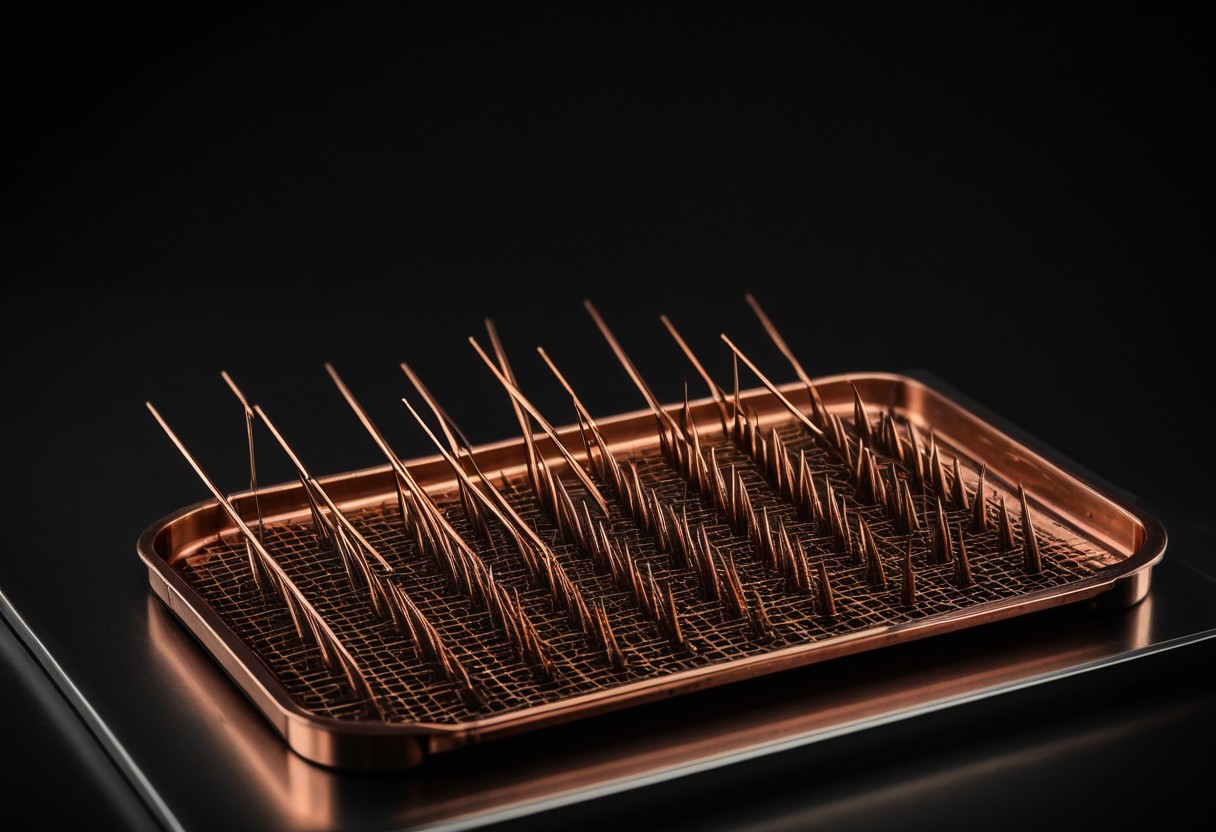
What it is
Needle play is the consensual, temporary piercing of skin with sterile hypodermic needles as part of a scene. Unlike body piercing, the needles are not intended to stay in — they are placed for the duration of the play and removed afterward. People are drawn to it for the sharp, focused sensation, the intense psychological presence it can create, the trust it demonstrates, and sometimes for striking visual patterns.
It sits within sadomasochism and edge play because it deliberately breaks the skin, which introduces medical risk that most kink activities do not carry. Some practitioners frame it as sensation or pain play; others treat it as a meditative or ritual experience. It overlaps conceptually with medical play and blood play, though bleeding is usually minimal when done carefully.
Common forms
Approaches vary widely by intention and skill. The style chosen changes the level of risk and the kind of aftercare required.
- Single or sequential piercings placed for building sensation and headspace
- Symmetrical or decorative patterns placed for visual effect
- 'Corset' or laced arrangements where thread or ribbon is threaded between piercings (higher skill and risk)
- Ritual or ceremonial scenes emphasizing focus, breath, and presence over spectacle
Consent & safety
Needle play breaks the skin barrier, so it carries genuine, non-trivial risks: infection, bloodborne-pathogen transmission (such as hepatitis or HIV), nerve or vein damage, fainting (vasovagal response), and scarring. Because blood may be present, it is treated as a fluid-bonded, safer-sex-adjacent activity — sharing tops or spaces without proper barriers and disposal can transmit disease. This is a practice learned hands-on from experienced educators, not from written descriptions.
Thorough negotiation, honest health disclosure, and clear aftercare planning come before any scene. Both partners should agree on a safeword or the traffic-light system, and the person receiving should be able to stop at any moment. Only sterile, single-use, individually packaged needles should ever be used, and used sharps require a proper sharps container — never improvised disposal.
- Use only sterile, single-use needles; never reuse or share them
- Learn skin anatomy — avoid veins, arteries, nerves, and high-risk zones
- Maintain rigorous kink hygiene: hand washing, gloves, skin prep, and clean field
- Have first-aid supplies, a sharps container, and a plan for fainting or bleeding
- Avoid if either partner is on blood thinners, immunocompromised, or intoxicated
- Screen for allergies (latex, nickel, cleaning agents) beforehand
Exploring it responsibly
The safest path is in-person education: reputable workshops, classes at kink conventions, and mentorship from experienced practitioners who can demonstrate hygiene, placement, and complication response in real time. Watching skilled demos and asking questions builds the judgment that no article can provide. Start conservatively, with realistic expectations and full attention to informed risk assessment.
Emotional aftercare matters as much as physical care. Piercing scenes can produce strong endorphin highs followed by a crash (subdrop or topdrop), so plan for rest, hydration, wound care, and follow-up check-ins. If you or a partner has bloodborne-pathogen concerns, treat every scene with universal precautions regardless of stated status.
Frequently asked questions
Is needle play the same as getting a body piercing?
No. Play piercing uses sterile needles placed temporarily for a scene and removed afterward, whereas body piercing installs long-term jewelry through a permanent healed channel.
How dangerous is needle play?
It is an edge practice with real risks — infection, bloodborne-pathogen exposure, nerve or vein injury, fainting, and scarring. These risks can be significantly reduced with sterile single-use needles, anatomical knowledge, strict hygiene, and hands-on training, but never eliminated.
Can I learn needle play from videos or articles online?
Written and video resources are useful for context, but this is a practice best learned hands-on from experienced educators who can show sterile technique, safe placement, and how to respond to complications in real time.
What should I do with needles after a scene?
Used needles are biohazard sharps and must go directly into a proper sharps container — never a regular trash can, and never reused or shared, even between committed partners.
Make an image of Needle Play
Describe the scene, we turn it into a photoreal image. Yours to keep, post, or share.
Curious how Needle Play fits you?
Take the free Kink Test — scored across 35 archetypes with an inclusive, consent-first lens. No login, no email. Just answer honestly and see where you land.
18+ only. Private by default.
Explore Needle Play with people who get it.
SafeHaven is a private, consent-first kink & BDSM social network. Founding members get free lifetime membership — before paid tiers ever land. Come as you are, stay forever.
100 founding seats — free lifetime membership
18+ only. No passwords, ever.