Mummification
Mummification is a form of full-body bondage in which a partner is wrapped snugly and extensively — often from head to toe — using materials like plastic wrap, bandages, or specialized tape. It combines restraint with sensory deprivation and immobility, and because it affects breathing, circulation, and body temperature, it is considered an edge practice that demands close monitoring and experience.
What it is
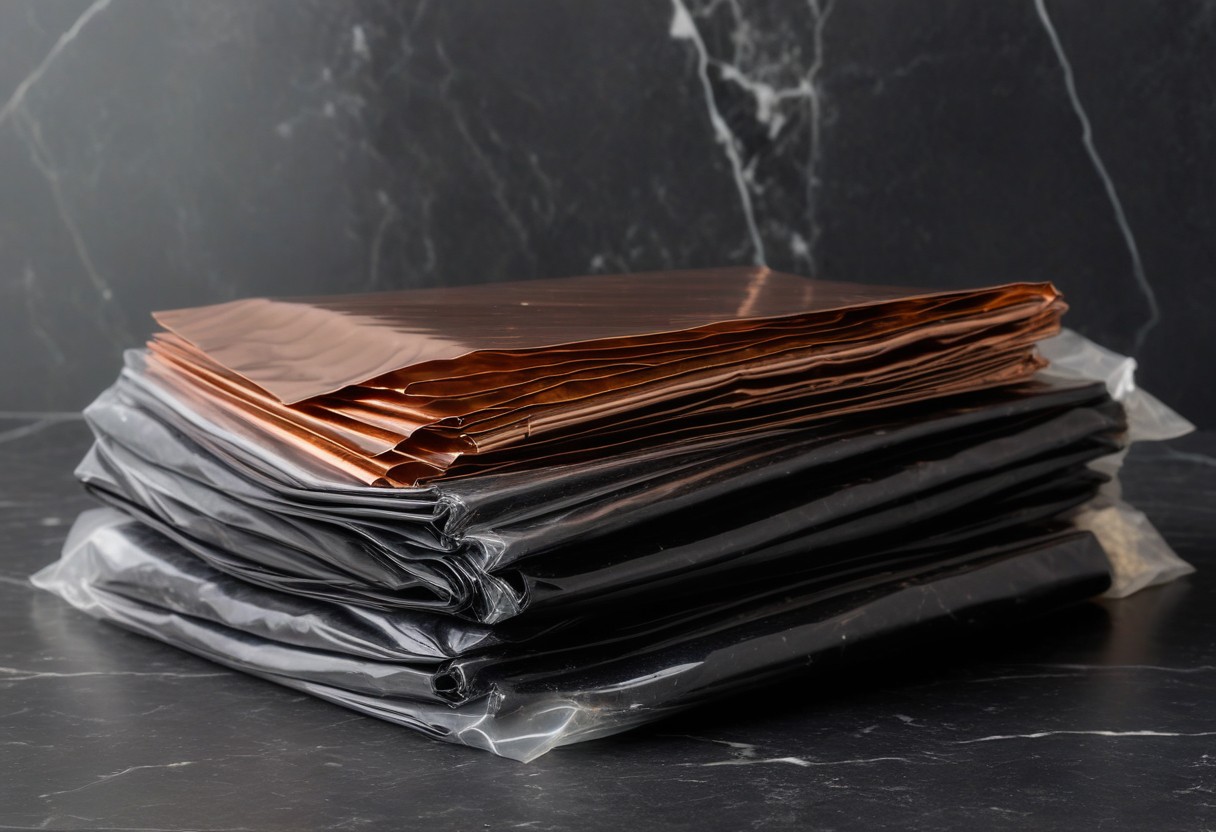
Mummification wraps some or all of a person's body in tight layers of material so they become largely or completely immobilized. The name reflects the visual result: a body encased and shaped much like a wrapped figure. For many practitioners the appeal lies in the profound stillness, the pressure of the wrap against the whole body, and the psychological experience of surrender and containment.
The immobility often overlaps with sensory deprivation — muffled sound, reduced sight, and limited touch — which can produce deeply altered, meditative, or intensely vulnerable headspaces. Because the wrapped person can do very little for themselves, it places significant responsibility on the person doing the wrapping to monitor and respond throughout.
Common forms
Mummification ranges from partial to full, and from brief to extended. The material, the degree of coverage, and whether the face is involved dramatically change the risk profile.
- Partial mummification — wrapping limbs, torso, or the lower body while leaving areas free, often as a gentler introduction.
- Full-body mummification — extensive wrapping that immobilizes most of the body; the head and airway are always handled with special care.
- Materials — plastic cling wrap, self-adhesive bandage, medical or gaffer tape, and body bags or sleeping-bag-style gear; latex or vacuum-based setups are a distinct, more advanced variation.
- Combined play — sometimes paired with sensory deprivation via a blindfold or hood, temperature play, or sensation teasing once the person is wrapped.
Consent & safety
Mummification is an edge practice with genuine physical risks: overheating and heat stress (wrapping traps body heat), restricted breathing, restricted circulation, positional strain, and panic. Emotional risks include claustrophobia and unexpected distress. These risks are real and require preparation, not spontaneity.
Skills are learned hands-on from experienced practitioners and reputable in-person resources — this entry describes the practice but is not a how-to. Never wrap the neck or restrict the airway, and never leave a wrapped person unattended.
- Negotiate beforehand: coverage, duration, materials, comfort with restriction, health conditions (asthma, cardiac, circulatory, anxiety) and past trauma.
- Plan removal first: safety scissors kept within reach so the person can be freed within seconds.
- Monitor continuously: watch breathing, skin color, temperature, and responsiveness; do frequent check-ins.
- Agree on non-verbal signals or a safeword alternative, since speech may be muffled or impossible.
- Watch for overheating — keep sessions cool, hydrate, and end early if the person feels too hot.
- Provide aftercare: warmth, hydration, reassurance, and time to reorient after intense immobility.
Exploring it responsibly
Beginners are best served starting small — a partial wrap of a limb or the torso, kept short, with easy escape and constant contact. Building trust and reading a partner's responses matters more than dramatic full-body scenes. Learning from workshops, classes, and mentors within the community lets you develop judgment about temperature, timing, and airway safety before increasing coverage or duration.
As with any risk-aware practice, informed consent, honest health disclosure, sober participation, and a clear plan to stop at any moment are the foundation. The goal is a shared, well-monitored experience where both people can trust that safety comes first.
Frequently asked questions
Is mummification dangerous?
It carries real risks — especially overheating, restricted breathing, and circulation problems — which is why it's classed as edge play. With negotiation, continuous monitoring, quick-release tools, and never wrapping the airway, those risks can be managed by experienced practitioners.
How long can someone stay wrapped?
There's no fixed number; it depends on materials, coverage, temperature, and the person. Beginners should keep sessions short, and anyone showing overheating, numbness, breathing trouble, or distress should be freed immediately.
What materials are used for mummification?
Common options include plastic cling wrap, self-adhesive bandages, and tape; more advanced setups use latex or vacuum gear. Whatever the material, safety scissors for rapid removal are essential, and nothing should ever restrict the neck or airway.
How do you communicate if you can't speak or move?
Negotiate non-verbal signals in advance — such as a held object to drop, a hum, or a specific movement — and the person wrapping should stay in constant contact and check in frequently.
Make an image of Mummification
Describe the scene, we turn it into a photoreal image. Yours to keep, post, or share.
Curious how Mummification fits you?
Take the free Kink Test — scored across 35 archetypes with an inclusive, consent-first lens. No login, no email. Just answer honestly and see where you land.
18+ only. Private by default.
Explore Mummification with people who get it.
SafeHaven is a private, consent-first kink & BDSM social network. Founding members get free lifetime membership — before paid tiers ever land. Come as you are, stay forever.
100 founding seats — free lifetime membership
18+ only. No passwords, ever.