
Fire Play
Fire play is an advanced form of sensation and edge play in which brief, controlled flame is applied near or against the skin for warmth, sensation, or dramatic effect. Because it involves open fire and specialized fuels, it carries genuine risk of burns and injury and is learned hands-on from experienced practitioners rather than online guides.
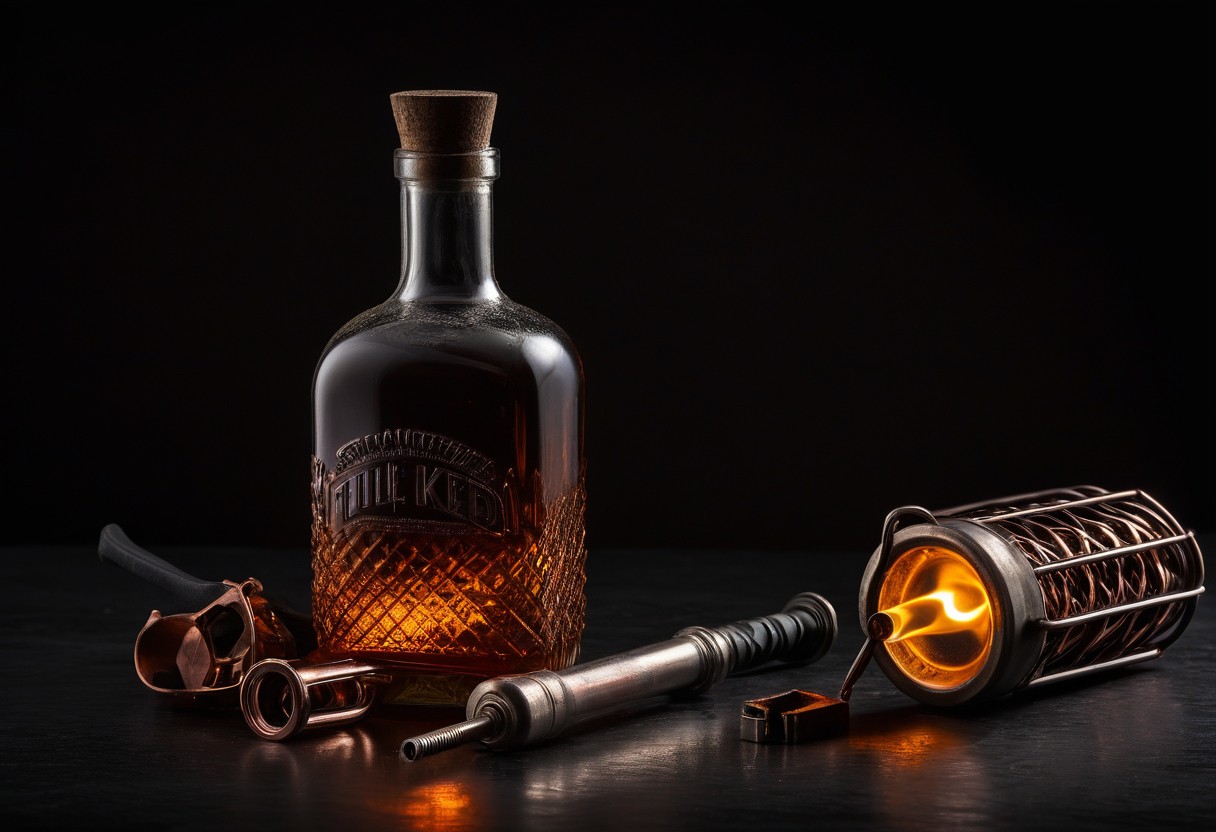
What it is
Fire play describes a family of practices that use controlled flame as a source of sensation, heat, and theatrical intensity on or near a partner's body. The appeal often lies in the combination of visual drama, fleeting warmth, and the trust required to remain still and vulnerable near an open flame.
It sits within sadomasochism and sensation play but is classified as edge play because the tools — open fire, flammable liquids, and heated implements — can cause serious harm if handled carelessly. Practitioners treat it as a skill discipline, not a casual bedroom activity, and invest significant time in safety training before ever attempting it.
Common forms
Fire play covers several distinct techniques, each with its own risk profile. All of them depend on precise fuel control, an understanding of how flame behaves on skin, and the ability to extinguish quickly.
- Fire cupping — brief use of flame to create suction with glass cups placed on the body.
- "Fire fingers" or fleeting flame passes — very brief contact designed for sensation rather than burning.
- Fire-heated implements used to warm the skin at a controlled distance.
- Combined temperature scenes that contrast fire's warmth with cooling sensations.
Consent & safety
Fire play carries real and immediate physical risk, including burns, scarring, singed hair, and fire spreading to bedding, clothing, or hair. It also carries psychological intensity that should be negotiated in advance. This entry describes what the practice is; it is not a how-to. Actual technique must be learned in person from experienced practitioners and reputable in-person workshops.
Responsible fire play requires thorough negotiation, a clear safeword or traffic-light system, sober participants, and full aftercare. It should never be attempted while intoxicated, distracted, or alone.
- Always have appropriate fire suppression on hand (a damp towel and a way to smother flame) and a clear exit plan.
- Remove or secure loose hair, flammable fabrics, aerosols, alcohol-based products, and hair spray from the play area.
- Discuss medical conditions, skin sensitivities, medications, and past trauma during negotiation.
- Play in a space with a smoke detector, ventilation, and clear floor room — not a cluttered bed.
- Learn from qualified in-person teachers and start by observing experienced practitioners before ever handling flame yourself.
Exploring it responsibly
Because fire play is genuinely dangerous, the safest entry point is education, not experimentation. Attend classes at reputable kink events or conventions, watch skilled demonstrators, and connect with local community members who can mentor you. Many people find that the interest driving fire play — dramatic sensation and temperature contrast — can also be explored through lower-risk activities like wax play or ice play while they build knowledge.
If you decide to pursue it, treat every scene as risk-aware practice under frameworks like RACK: understand the specific hazards, plan for emergencies, and never let intensity outpace your training. The willingness to say "not yet" is itself a mark of a responsible practitioner.
Frequently asked questions
Is fire play safe for beginners?
No. Fire play is an edge practice with real burn risk and should not be a first foray into kink. Beginners should build experience with safer sensation play and learn fire technique hands-on from qualified teachers first.
Can I learn fire play from online videos?
Online material can help you understand the risks, but flame behavior, fuel handling, and emergency response must be learned in person from experienced practitioners. Naively copying techniques can cause serious injury.
What's the difference between fire play and wax play?
Both involve heat, but wax play uses melted candle wax rather than open flame, making it considerably lower risk. Many people interested in fire's warmth start with wax play while they gain knowledge.
What should always be in the room during a fire scene?
Fire suppression tools such as a damp towel, a sober and attentive top, a working smoke detector, clear space free of flammables, and an agreed safeword system.
Make an image of Fire Play
Describe the scene, we turn it into a photoreal image. Yours to keep, post, or share.
Curious how Fire Play fits you?
Take the free Kink Test — scored across 35 archetypes with an inclusive, consent-first lens. No login, no email. Just answer honestly and see where you land.
18+ only. Private by default.
Related terms
Explore Fire Play with people who get it.
SafeHaven is a private, consent-first kink & BDSM social network. Founding members get free lifetime membership — before paid tiers ever land. Come as you are, stay forever.
100 founding seats — free lifetime membership
18+ only. No passwords, ever.