
Chastity Device
A chastity device is a locking piece of equipment worn over the genitals to physically restrict sexual stimulation, erection, or release, usually as part of a consensual chastity or power-exchange dynamic. It gives one partner control over another's access to their own body, making it a tool for eroticized restraint, denial, and trust rather than a permanent restriction.
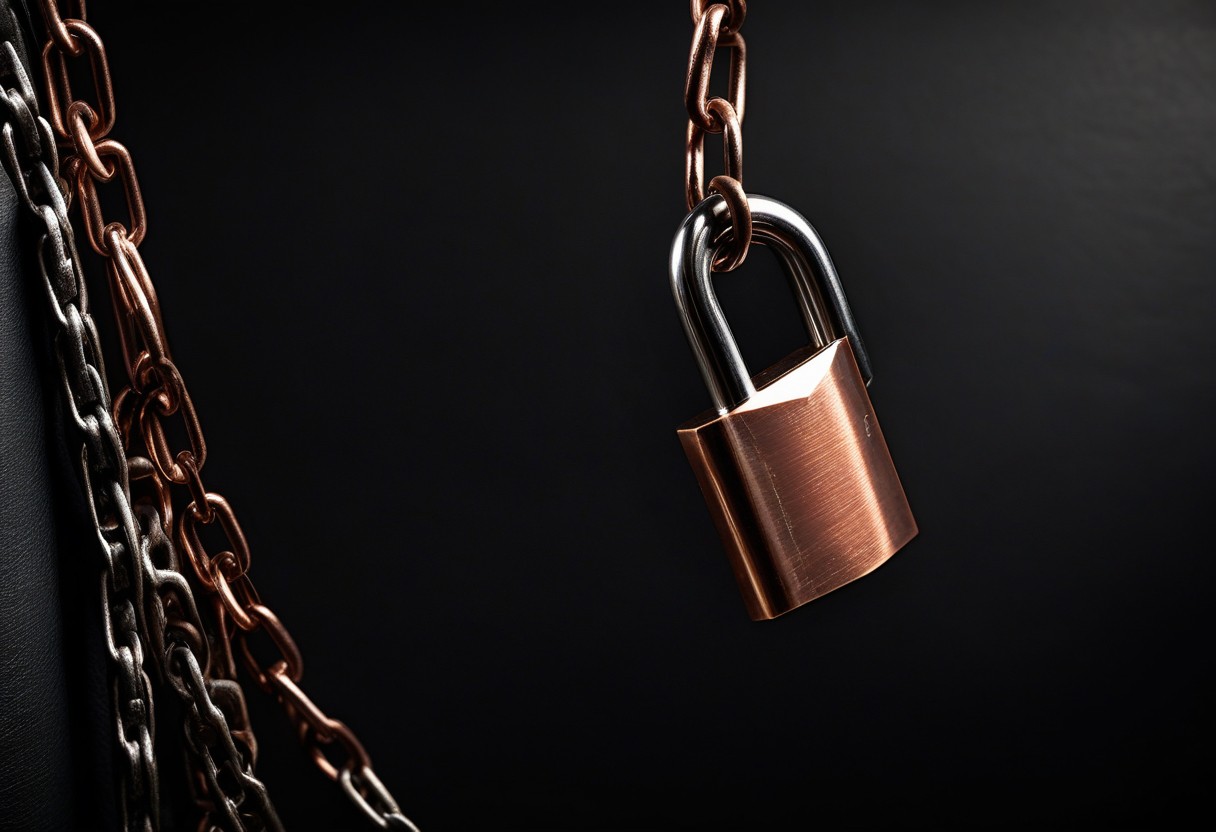
What it is
A chastity device is a wearable, typically lockable item that encloses the genitals to prevent or limit sexual arousal, stimulation, and orgasm. Historically associated with genital cages designed for penises, modern devices exist for a range of anatomies and are widely used in consensual kink.
The appeal is usually psychological as much as physical: the device symbolizes surrendered control, heightened anticipation, and ongoing awareness of a dynamic even outside dedicated play. It is closely tied to chastity play and orgasm denial, and is often folded into Dominance and submission relationships where one partner holds the key.
Common forms
Devices vary widely in material, coverage, and how they lock. Fit and material safety matter greatly, since a device is worn against sensitive skin, sometimes for extended periods.
- Cage-style devices: rigid or semi-rigid enclosures for penises, often with a locking ring, available in metal, medical-grade silicone, or hard plastic.
- Belt-style devices: harnesses worn around the hips that cover the genitals and are designed to suit a broader range of anatomies.
- Materials: body-safe metals (like stainless steel or titanium) and medical-grade silicone are preferred; cheap alloys or unsealed prints can irritate skin.
- Locking options: physical padlocks, numbered/tamper-evident 'time' locks, or keyholder-controlled locks that support long-distance dynamics.
Consent & safety
Wearing a device long-term is an edge-adjacent practice: prolonged restriction can cause chafing, skin breakdown, pinching, circulation issues, or urinary difficulties if the fit is wrong. It should be approached with informed risk assessment, correct sizing, and gradual conditioning rather than immediate long wear.
Because a locked device restricts a partner's bodily autonomy, safe-release is essential. Both people must always have a realistic way to remove it quickly in an emergency, and negotiation should cover hygiene, wear duration, and check-ins.
- Always keep an accessible spare key or bolt cutter, even in strict keyholder dynamics — safety overrides the fantasy.
- Prioritize correct measurement and fit; a device that pinches, discolors skin, or causes numbness must come off.
- Maintain regular cleaning and skin checks; remove for hygiene and inspect for redness, sores, or swelling.
- Stop and remove immediately for severe pain, loss of sensation, color changes, discharge, or signs of infection, and seek medical care if needed.
- Negotiate wear limits, emergency plans, and a safeword or check-in system before locking up.
Exploring it responsibly
Beginners typically start with short, supervised sessions to learn how their body responds before considering longer wear, building up duration gradually as comfort and fit are confirmed. Choosing a reputable, body-safe device and taking time to size it correctly prevents most common problems.
Treat chastity as a relationship agreement, not just a piece of hardware: clear communication about expectations, denial, and release keeps it consensual and sustainable. Aftercare and honest check-ins help both the keyholder and the wearer stay attuned to physical comfort and emotional wellbeing.
Frequently asked questions
Is it safe to wear a chastity device 24/7?
Some experienced wearers manage long-term wear, but it requires an excellent fit, diligent hygiene, regular skin checks, and periodic removal. Long-term wear carries real risks and should be built up gradually, never forced.
Do you have to be in a D/s relationship to use one?
No. Many people use chastity devices solo or simply for the sensation and anticipation. It's often paired with Dominance and submission, but that's a choice, not a requirement.
What should I do if the device causes pain or won't come off?
Remove it as soon as pain, numbness, swelling, or skin damage appears — comfort always overrides the scene. Keep a spare key or safe cutting tool accessible, and seek medical care for anything that doesn't quickly resolve.
How do I choose the right size and material?
Measure carefully following the maker's guidance and choose body-safe materials like medical-grade silicone or quality stainless steel. When in doubt, size up slightly and prioritize comfort over strictness.
Make an image of Chastity Device
Describe the scene, we turn it into a photoreal image. Yours to keep, post, or share.
Curious how Chastity Device fits you?
Take the free Kink Test — scored across 35 archetypes with an inclusive, consent-first lens. No login, no email. Just answer honestly and see where you land.
18+ only. Private by default.
Explore Chastity Device with people who get it.
SafeHaven is a private, consent-first kink & BDSM social network. Founding members get free lifetime membership — before paid tiers ever land. Come as you are, stay forever.
100 founding seats — free lifetime membership
18+ only. No passwords, ever.